Key Takeaways
- Follistatin is not FDA-approved and is available only for research purposes.
- Typical dosing protocols for follistatin are derived from preclinical research and vary significantly.
- Medical supervision is crucial when considering follistatin due to its complex role in growth factor signaling.
- Titration schedules are often used to optimize efficacy and minimize potential side effects.
- Understanding administration methods, such as subcutaneous injection, is essential for safe use.
What Is Follistatin?
Follistatin is a multifunctional glycoprotein involved in growth factor signaling networks. It modulates ligand availability and signaling intensity through high-affinity binding interactions. Follistatin's primary role is antagonizing the activity of transforming growth factor β (TGF-β) superfamily members, including myostatin, which is a negative regulator of muscle growth. For more detailed information, visit the follistatin profile.
Standard Dosing Protocols
Follistatin is not FDA-approved, and there are no standard dosing protocols endorsed by regulatory bodies. Research on follistatin, such as the study by PMID 31874826, has explored its potential as a myostatin inhibitor, but these findings are preclinical and not standardized for clinical use. Typical dosing in research settings may vary, with some studies using microgram to milligram ranges, but these are not established for therapeutic use.
Titration Schedules
In research settings, titration schedules are often employed to assess tolerability and efficacy. Titration allows for gradual dose increases, which can help mitigate side effects and optimize therapeutic outcomes. For instance, a study might start with a low dose, such as 10-20 micrograms, and increase incrementally over several weeks. This approach helps researchers understand the dose-response relationship and potential side effects.
Administration Method
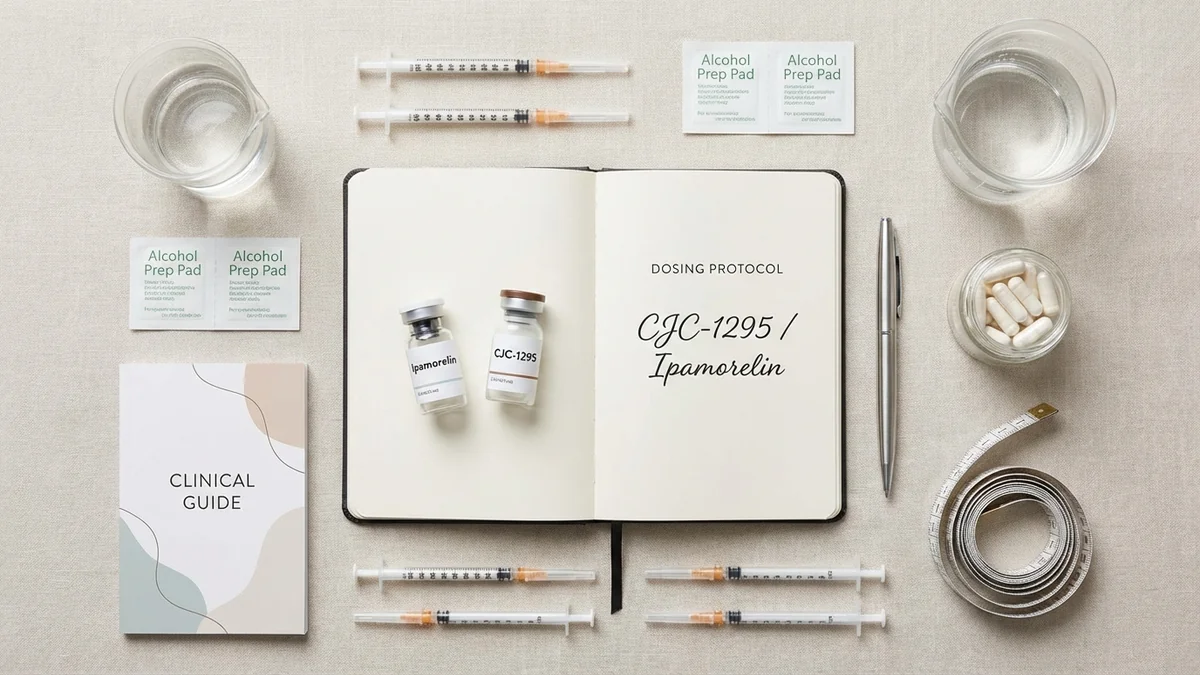
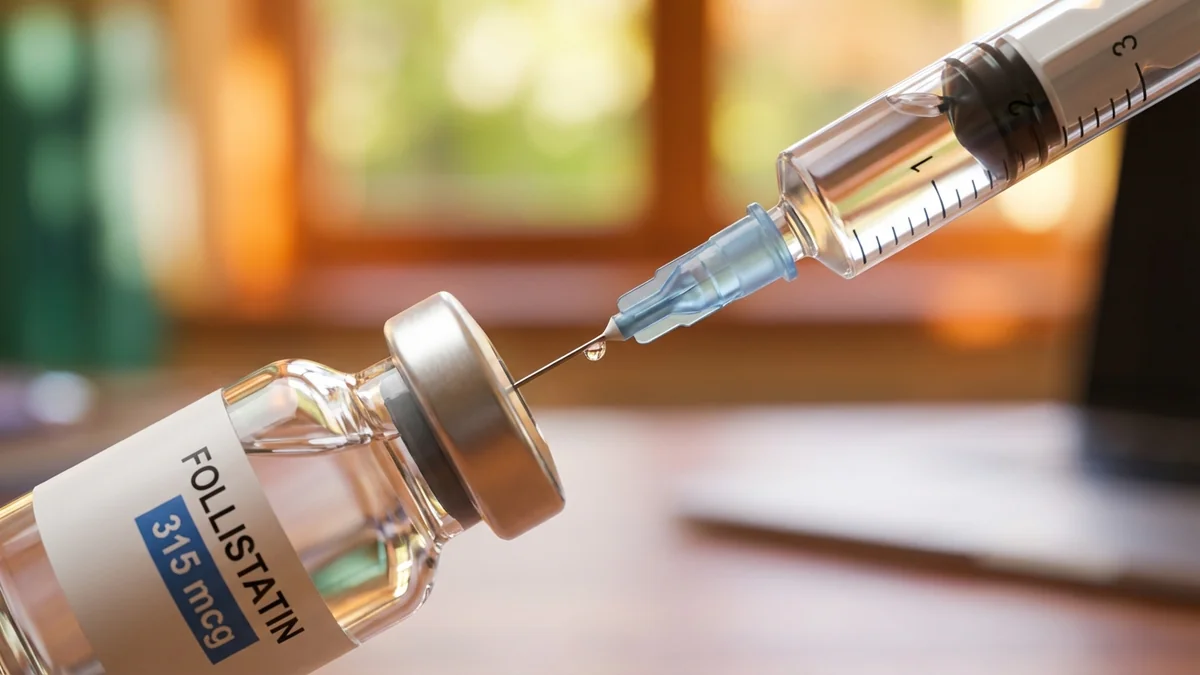
Follistatin is typically administered via subcutaneous injection. This method involves injecting the peptide into the fatty tissue just under the skin, commonly in areas such as the abdomen or thigh. It is crucial to rotate injection sites to prevent tissue damage. The needle gauge often recommended is 27-30, and proper storage of reconstituted peptide is essential, typically requiring refrigeration. Reconstitution involves mixing the peptide powder with bacteriostatic water to achieve the desired concentration.
Factors That Affect Dosing
Several factors can influence follistatin dosing, including body weight, treatment goals, concurrent medications, and organ function (e.g., kidney and liver health). Healthcare providers must consider these variables to tailor dosing appropriately. For example, a higher body mass may necessitate a higher dose, while impaired kidney function might require dose adjustments to prevent accumulation and toxicity.
What Happens If You Miss a Dose
If a dose of follistatin is missed, it is generally advised to take it as soon as remembered unless it is close to the time of the next scheduled dose. Doubling up on doses is not recommended. Patients should consult their healthcare provider for specific guidance based on their dosing schedule.
Dosing Compared to Similar Peptides
Compared to other peptides like semaglutide, which has well-defined dosing protocols due to its FDA approval for certain conditions, follistatin lacks standardized dosing due to its research-only status. Semaglutide, for example, is administered with precise dosing schedules for weight management or diabetes, illustrating the contrast in regulatory status and clinical application.
What the Evidence Does Not Show
Current research on follistatin dosing is limited to preclinical studies. Long-term safety and efficacy in humans remain unknown, and the peptide's impact on various physiological systems is not fully understood. The research primarily focuses on its role in muscle growth and metabolic disorders (PMID 37739334), but definitive conclusions are yet to be drawn.
FAQ
What is the typical dosing range for follistatin?
Typical dosing ranges are not standardized and vary widely in research settings, often between micrograms to milligrams.
How is follistatin administered?
Follistatin is usually administered via subcutaneous injection, with attention to rotating injection sites.
Can follistatin be used for muscle growth?
While follistatin is studied for its role in muscle growth inhibition of myostatin, its use in humans is not approved, and benefits are based on preclinical data.
Is follistatin safe for long-term use?
Long-term safety of follistatin in humans is not established, as current data is primarily from preclinical studies.
What should I do if I miss a dose of follistatin?
Consult your healthcare provider for guidance, but generally, a missed dose should be taken as soon as remembered unless it's near the next scheduled dose.
Medical Disclaimer: This content is for informational purposes only and does not constitute medical advice. Consult a licensed healthcare provider before starting any treatment.