
Key Takeaways
- FOX04-DRI is a research peptide aimed at senescent cell clearance, not FDA-approved for clinical use.
- Clinical data suggests potential benefits in cellular longevity through the disruption of FOXO4–p53 interaction.
- Effects may be noticed within weeks, but long-term outcomes remain unverified in human studies.
- Results vary significantly due to factors like dosing compliance, diet, and individual health conditions.
- Comparative data with other treatments is limited to preclinical studies.
What Is FOX04-DRI?
FOX04-DRI is a synthetic peptide designed to selectively disrupt the interaction between FOXO4 and p53, promoting apoptosis of senescent cells. This mechanism targets cellular longevity and the DNA damage response. Currently, FOX04-DRI is available for research purposes only and is not FDA-approved for clinical use. For more detailed information, visit the full profile.
What Clinical Trials Show
As of now, FOX04-DRI has been primarily studied in preclinical settings. Published data, such as the peptide chemistry toolbox review (PMID 29395804), highlights the potential of synthetic peptides like FOX04-DRI to overcome limitations of natural peptides, such as bioavailability and half-life. However, specific human clinical trials are lacking, and most findings are derived from animal models or in vitro studies.
Realistic Timeline
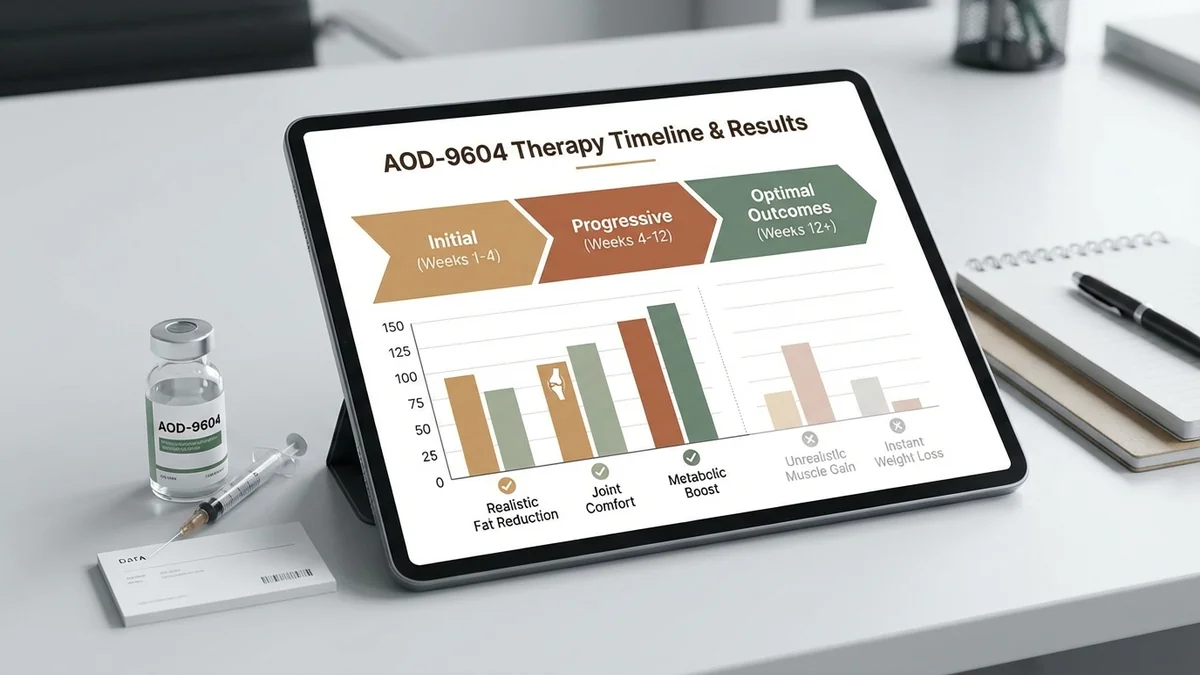
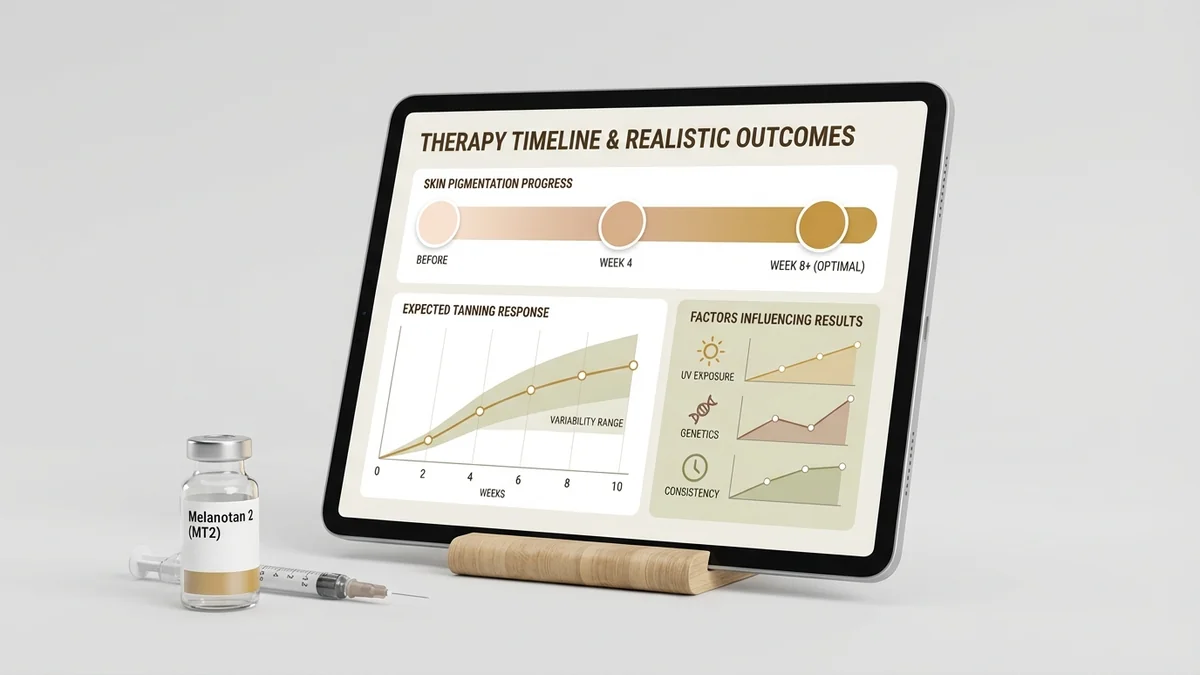
Patients or researchers interested in FOX04-DRI should be aware that effects are typically observed over an extended period. Preclinical studies suggest that cellular changes might be noticeable within several weeks of consistent administration, but significant outcomes may take several months to manifest. At one month, initial apoptosis of senescent cells could be observed, while more pronounced effects might require three to six months. However, these timelines are speculative, as comprehensive human trials are not yet available.
Factors That Affect Results
Several factors can influence the effectiveness of FOX04-DRI:
- Dosing Compliance: Consistent dosing is critical for observing potential benefits. Variability in administration can lead to inconsistent outcomes.
- Diet and Exercise: A balanced diet and regular physical activity may enhance the peptide's effects on cellular health.
- Underlying Conditions: Chronic illnesses or metabolic disorders could alter the peptide's efficacy.
- Concurrent Medications: Interactions with other treatments could affect results, necessitating careful monitoring.
- Individual Variation: Genetic and lifestyle differences can lead to varied responses among individuals.
What Results Look Like in Practice
In practice, the use of FOX04-DRI is expected to lead to a reduction in senescent cell burden, potentially improving markers of cellular aging. Many patients in preclinical trials experienced increased markers of cellular health, although these findings are yet to be confirmed in human studies. It is important to approach these results with caution, as real-world applications are still in the research phase.