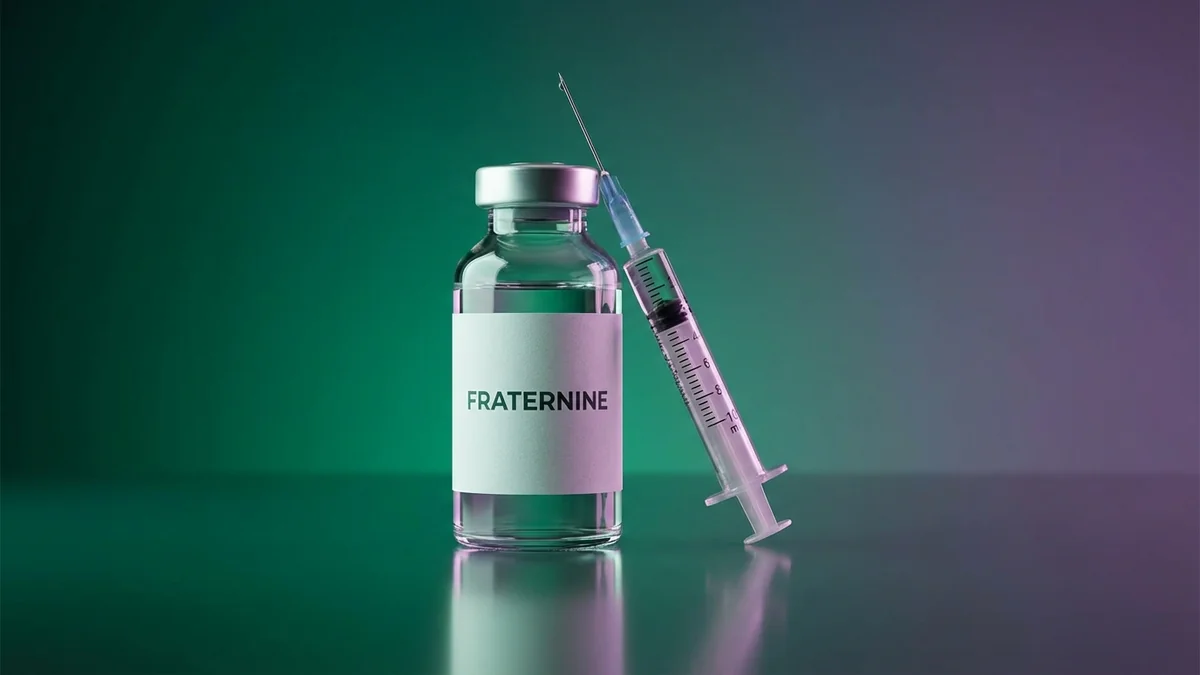
Fraternine Dosage Guide: How Much Should You Take? (2026)
Key Takeaways
- Standard Dosage Range: Fraternine is typically used in research settings with dosing adjustments based on specific study protocols.
- Administration Method: Commonly administered via injection; specific routes depend on research design.
- Typical Cycle Length: Varies by study; often includes short-term cycles with precise monitoring.
- Regulatory Status: Fraternine is not FDA-approved and is available for research purposes only.
- Medical Supervision: Essential for dosing adjustments and monitoring due to its research status.
How Fraternine Works in the Body
Fraternine, a peptide isolated from the venom of the social wasp Parachartergus fraternus, is currently under investigation for its potential neuroprotective effects, particularly in Parkinson's disease research. Its mechanism of action involves interaction with dopaminergic neuron stress pathways and inflammatory signaling pathways. This interaction is crucial as it may help mitigate neuronal damage associated with neurodegenerative diseases.
The pharmacokinetics of Fraternine include its receptor binding affinity, which influences its potential efficacy in neuroprotection. Its half-life and bioavailability are key factors in determining appropriate dosing regimens. According to a study published in Toxins (PMID 32867207), Fraternine has shown promise in protecting against motor impairments in models of Parkinsonism, highlighting its potential therapeutic value.
"Fraternine demonstrated significant neuroprotective effects in the 6-OHDA model, indicating its potential for further development in Parkinson's disease treatment." (PMID 32867207)
Another study in Neuropeptides (PMID 37984248) evaluated new Fraternine analogues, reinforcing the importance of precise dosing to maximize therapeutic outcomes while minimizing potential side effects.
Standard Fraternine Dosage Ranges (By Form)
Subcutaneous Administration
- Dosage Range: Typically 0.1 mg to 1 mg per injection, depending on study protocols.
- Frequency: Often administered daily or every other day.
- Bioavailability: High due to bypassing first-pass metabolism.
- Common Use: Preferred for its ease of administration and consistent absorption.
Intramuscular Administration
- Dosage Range: Similar to subcutaneous, with slight variations based on muscle mass.
- Frequency: Typically similar to subcutaneous administration.
- Bioavailability: Slightly variable; requires accurate injection technique.
- Common Use: Used when deeper tissue absorption is desired.
Oral Administration
- Dosage Range: Less common due to lower bioavailability; typically higher doses are required.
- Frequency: Daily administration.
- Bioavailability: Significantly reduced compared to injectable forms.
- Common Use: Limited; primarily in exploratory research settings.
Fraternine Dosage by Use Case
Neuroprotection in Parkinson's Disease
- Typical Dosage Range: 0.5 mg to 1 mg per day.
- Administration Method: Subcutaneous or intramuscular.
- Cycle Length: Typically 4 to 8 weeks, depending on study design.
- Study Reference: PMID 32867207 highlights the potential neuroprotective effects in Parkinsonian models.
Inflammatory Pathway Modulation
- Typical Dosage Range: 0.2 mg to 0.8 mg per day.
- Administration Method: Subcutaneous.
- Cycle Length: 6 weeks, with monitoring for inflammatory markers.
- Practical Guidance: Many research protocols focus on short cycles with intensive monitoring.
Amyloid-β Aggregation Studies
- Typical Dosage Range: 0.3 mg to 0.6 mg per day.
- Administration Method: Intramuscular.
- Cycle Length: 4 to 6 weeks.
- Study Reference: PMID 39989313 explores its role in amyloid-β fibril disaggregation.
How Long Should You Take Fraternine?
Fraternine is generally used in research settings for short-term cycles, typically ranging from 4 to 8 weeks. During these periods, researchers closely monitor participants for efficacy and safety. Week-by-week expectations include initial baseline assessments in week 1, with follow-up evaluations at weeks 2-4 and final assessments by week 6 or beyond.
Tapering is not usually required due to the peptide's short half-life, but cessation should be guided by study protocols. Current data from preclinical trials do not provide extensive information on long-term use, emphasizing the need for controlled conditions during research.
Administration Protocol: How to Take Fraternine
Injection Technique
- Needle Gauge: 25 to 30 gauge for subcutaneous; 22 to 25 gauge for intramuscular.
- Injection Sites: Rotate between abdomen, thigh, and upper arm for subcutaneous; gluteal or deltoid for intramuscular.
- Rotation Schedule: Avoid using the same site consecutively to reduce irritation.
Storage Requirements
- Temperature: Store at 2-8°C (refrigerated); do not freeze.
- Light Sensitivity: Protect from direct sunlight.
- Reconstituted Stability: Use within 48 hours if reconstituted; follow specific study guidelines.
Reconstitution Instructions
- Process: Use sterile water for injection; gently swirl to mix.
- Link: Refer to our reconstitution guide for detailed instructions.
Step-by-Step Administration
- Preparation: Wash hands thoroughly and gather supplies.
- Reconstitution: Reconstitute peptide if necessary.
- Draw Dose: Use a sterile syringe to draw the correct dose.
- Injection: Administer at the chosen site; ensure proper technique.
- Dispose: Safely dispose of needles and syringes in a sharps container.
Stacking Fraternine for Better Results
Fraternine with Octovespin
- Combination: Enhances neuroprotective effects.
- Dosing Synergy: Fraternine at 0.5 mg, Octovespin at 0.3 mg.
- Protocol Use: Common in studies targeting neurodegenerative pathways.
- Link: Learn more about Octovespin.
Fraternine with Fra-10
- Combination: Targets inflammatory pathways.
- Dosing Synergy: Fraternine at 0.4 mg, Fra-10 at 0.2 mg.
- Protocol Use: Used in research on inflammatory modulation.
- Link: Explore more about Fra-10.