
Key Takeaways
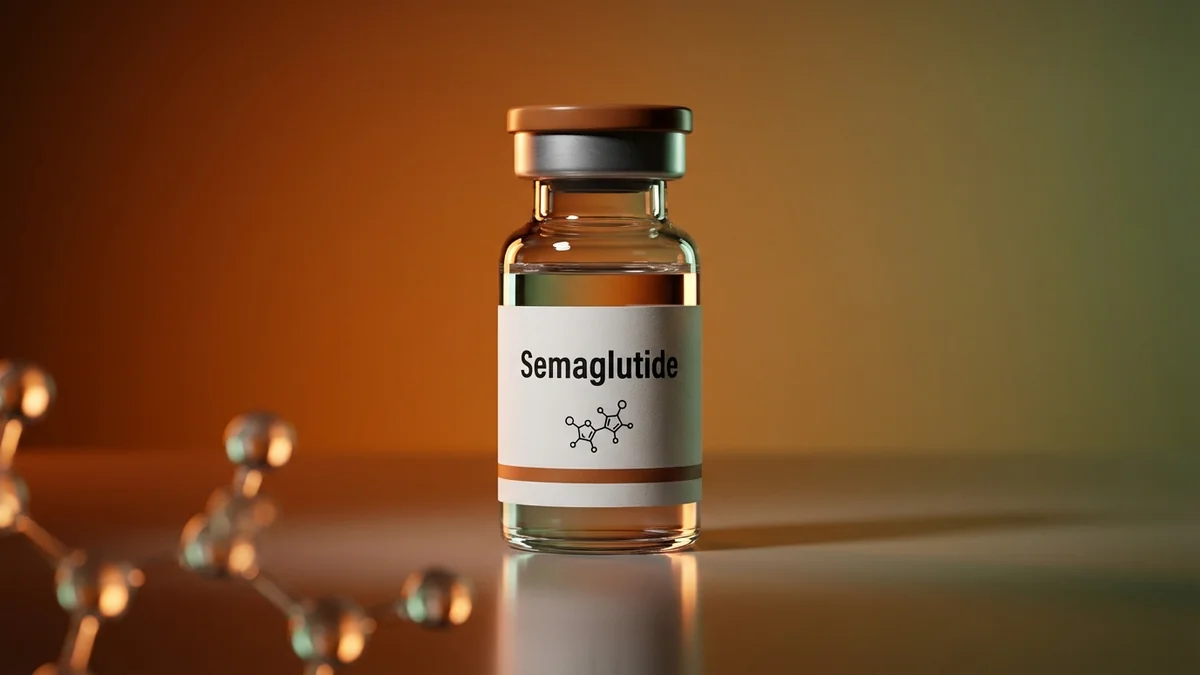
- Semaglutide, a GLP-1 receptor agonist, is FDA-approved for weight loss and type 2 diabetes, and is being explored for PCOS management.
- PCOS is a common endocrine disorder affecting women of reproductive age, characterized by irregular menstrual cycles, hyperandrogenism, and polycystic ovaries.
- Off-label peptide use for PCOS includes semaglutide and other GLP-1 receptor agonists, with ongoing research into their efficacy.
- Consultation with a healthcare provider is essential to discuss potential benefits and risks of peptide therapy for PCOS.
- Finding a specialized clinic is crucial for appropriate management. Use our clinic finder for guidance.
Understanding How Does Semaglutide Help PCOS
Polycystic Ovary Syndrome (PCOS) is a prevalent endocrine disorder affecting approximately 6-10% of women of reproductive age (PMID: 26308095). It is characterized by irregular menstrual cycles, hyperandrogenism, and polycystic ovaries. The condition often leads to complications such as obesity, insulin resistance, and infertility. Given these challenges, patients and clinicians are exploring peptide therapies like semaglutide for potential benefits.
FDA-Approved Peptide Options
Currently, there are no peptides specifically FDA-approved for the treatment of PCOS. However, semaglutide is approved for weight management and type 2 diabetes, conditions often associated with PCOS (FDA.gov). The approval of semaglutide for weight loss was based on pivotal trials such as the STEP 1 trial (NCT03548935), which demonstrated significant weight reduction in patients with obesity.
Peptides Used Off-Label or in Research
Semaglutide, while not FDA-approved for PCOS, is used off-label due to its benefits in weight management and insulin sensitivity, both relevant to PCOS symptoms. Research is ongoing to evaluate its direct effects on PCOS (PMID: 34305810). Other peptides, like liraglutide, are also used off-label for similar reasons, though robust evidence specific to PCOS is still emerging.
How Semaglutide Addresses How Does Semaglutide Help PCOS
Semaglutide functions as a GLP-1 receptor agonist, enhancing insulin secretion and promoting satiety, which may help manage weight and insulin resistance in PCOS patients. The drug's mechanism involves binding to the GLP-1 receptor, leading to increased insulin release in response to meals (PMID: 26308095). Clinical trials have shown promising results in related conditions like obesity, which often coexists with PCOS (full Semaglutide profile).
Comparing Treatment Options
Peptide therapy, including semaglutide, offers an alternative to traditional PCOS treatments like hormonal contraceptives and metformin. While peptides may address weight and insulin resistance, they do not directly target all aspects of PCOS. A healthcare provider might recommend peptides when weight management and metabolic control are primary concerns.