
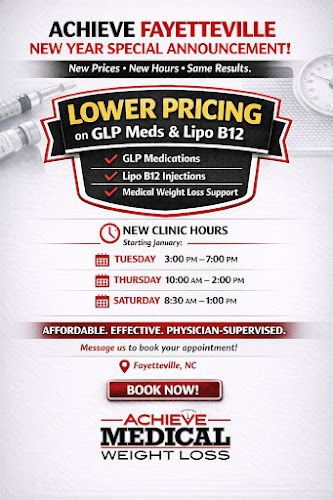
Achieve Medical Weight Loss operates a physician-supervised weight management program in Fayetteville, North Carolina, focusing on pharmacological interventions for patients seeking structured medical support for obesity and metabolic health. The clinic's approach centers on GLP-1 receptor agonist therapy, utilizing semaglutide and tirzepatide as primary pharmaceutical tools alongside metabolic support injections. These glucagon-like peptide-1 medications work by mimicking incretin hormones that regulate appetite, slow gastric emptying, and improve insulin sensitivity, making them particularly effective for patients with body mass indexes above 27 who have struggled with traditional diet and exercise approaches alone.
The clinic's treatment protocol incorporates semaglutide, the active compound in medications like Ozempic and Wegovy, which has demonstrated average weight reductions of 12-15% of total body weight in clinical populations when combined with lifestyle modification. Tirzepatide, a dual GIP/GLP-1 receptor agonist representing newer pharmacotherapy, targets both glucose-dependent insulinotropic polypeptide and GLP-1 pathways simultaneously, often producing enhanced metabolic outcomes compared to single-pathway agents. Achieve Medical Weight Loss supplements these peptide therapies with lipotropic and vitamin B12 injections designed to support hepatic fat metabolism and energy production during caloric restriction phases. Patients receive individualized dosing schedules that typically begin with lower doses and titrate upward based on tolerance and response, following FDA-approved escalation protocols.
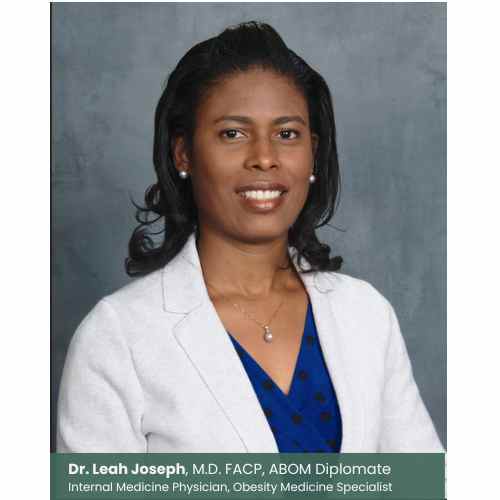
The Fayetteville clinic structures its program around regular monitoring appointments where providers track body composition measurements, review medication tolerance, and adjust prescriptions based on individual progress markers. Medical oversight includes baseline laboratory work to assess thyroid function, metabolic panels, and contraindications before initiating GLP-1 therapy, as these medications require careful screening for personal or family history of medullary thyroid carcinoma and multiple endocrine neoplasia syndrome type 2. The physician-supervised model means that prescription management, dosage modifications, and side effect mitigation strategies are handled by licensed medical professionals rather than through purely telehealth or non-physician models.
Patients entering the program should anticipate a structured enrollment process that includes comprehensive health history documentation, baseline measurements including weight, body composition analysis, and vital signs, followed by ongoing accountability through scheduled follow-up visits. The clinic utilizes a communication system that includes text message reminders, email correspondence, and phone contact for appointment scheduling and program updates. Treatment duration varies based on individual goals and response, with most patients remaining on GLP-1 therapy for a minimum of several months to achieve meaningful weight reduction, though some continue long-term for weight maintenance given the chronic nature of obesity as a metabolic condition.
Achieve Medical Weight Loss serves the greater Fayetteville and Cumberland County area of North Carolina, providing an alternative to surgical weight loss interventions for patients who meet criteria for medical weight management. The clinic's focus remains specifically on pharmacological weight reduction rather than comprehensive functional medicine or broader peptide therapy applications, making it a targeted option for individuals whose primary health objective is clinically significant weight loss through prescription medication under medical supervision. Prospective patients should verify insurance coverage for GLP-1 medications, as formulary status and prior authorization requirements vary significantly between payers, and out-of-pocket costs for these therapies can be substantial without coverage.
Topics Mentioned in Reviews
MyPeptideMatch.com is an independent directory. We do not provide medical advice. Always consult a qualified healthcare provider before starting any peptide therapy.