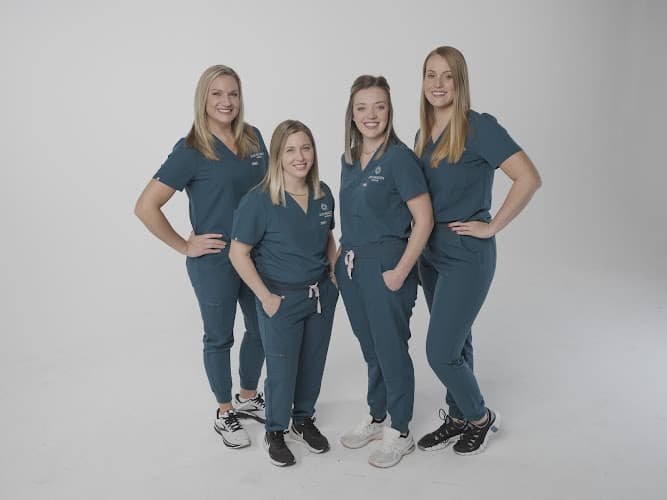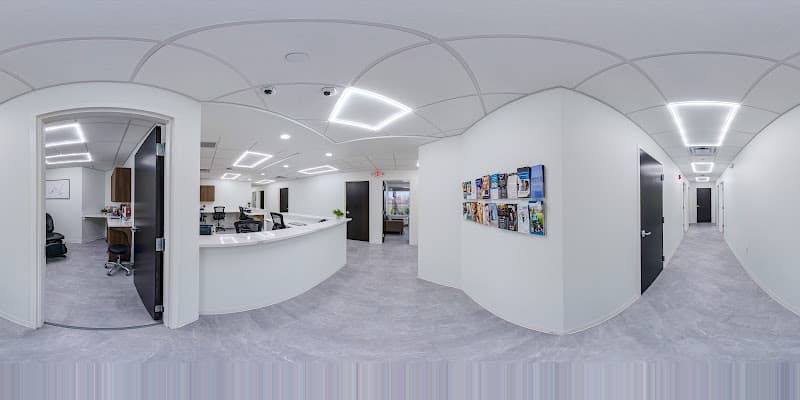


JourneyLite Physicians operates an MBSAQIP-accredited bariatric surgery outpatient center in Cincinnati, Ohio, where medical director Trace Curry, MD, leads a program combining surgical intervention with pharmaceutical weight management protocols. The clinic holds national recognition as a Blue Distinction Plus center through Anthem, a Bariatric Center of Excellence designation from United Health Optum, and Aetna Institute of Quality certification—credentials that reflect adherence to specific outcome metrics and safety standards in bariatric care. Dr. Curry and his team treat patients requiring both surgical and non-surgical approaches to obesity and metabolic dysfunction, with a clinical focus on long-term weight reduction and comorbidity management.
The pharmaceutical weight management program at JourneyLite Physicians centers on three GLP-1 receptor agonists: liraglutide, semaglutide, and tirzepatide. Liraglutide is prescribed as a daily subcutaneous injection for patients with BMI over 27 who have weight-related comorbidities or BMI over 30, working through appetite suppression and delayed gastric emptying. Semaglutide, administered weekly, activates the same receptor pathways but with extended pharmacokinetics that allow less frequent dosing and, in clinical trials, demonstrated average weight reduction of 15-17% over 68 weeks. Tirzepatide represents a dual-agonist approach, targeting both GLP-1 and GIP receptors to enhance insulin secretion and reduce glucagon release, with trial data showing weight loss outcomes exceeding 20% in some patient populations. These medications are prescribed as part of structured protocols that include baseline metabolic assessment, dose titration schedules, and monitoring for gastrointestinal side effects and contraindications such as personal or family history of medullary thyroid carcinoma.
Dr. Trace Curry brings surgical expertise to the medical weight management program, allowing the Cincinnati clinic to offer continuity for patients who may transition between non-surgical and surgical interventions based on response to therapy. Patients who do not achieve target weight reduction with GLP-1 agonists within defined timeframes may be evaluated for bariatric procedures including sleeve gastrectomy or gastric bypass, while post-surgical patients experiencing weight regain can be considered for adjunctive peptide therapy. This integrated model addresses the reality that obesity is a chronic disease requiring individualized treatment algorithms rather than single-modality approaches. The clinic's multiple center-of-excellence designations require ongoing data submission on patient outcomes, complication rates, and adherence to evidence-based protocols, providing external validation of clinical performance.
Patients at JourneyLite Physicians in Cincinnati undergo in-person consultations that include body composition analysis, review of previous weight loss attempts, assessment of obesity-related conditions such as type 2 diabetes and hypertension, and discussion of realistic outcome expectations for both medication and surgical options. The initial visit establishes candidacy for GLP-1 therapy based on BMI thresholds, insurance coverage parameters, and contraindications including pregnancy, pancreatitis history, or severe gastroparesis. Patients approved for semaglutide or tirzepatide receive instruction on subcutaneous injection technique, refrigeration requirements, and dose escalation schedules designed to minimize nausea and vomiting during the titration phase. Follow-up appointments occur at four-week intervals during the first three months to monitor weight trajectory, adjust dosing, and address side effects, with subsequent visits extending to eight or twelve-week intervals once patients reach maintenance doses.
The clinic's accreditation as an outpatient center of excellence allows JourneyLite Physicians to perform bariatric procedures in their Cincinnati facility rather than requiring hospital admission, reducing costs and recovery time for appropriate surgical candidates. This designation requires specific infrastructure including on-site emergency equipment, credentialed anesthesia providers, and documented protocols for patient selection and postoperative care. For medical weight management patients, the same facility provides access to registered dietitians who design macronutrient plans compatible with GLP-1 therapy's effects on appetite and satiety, as well as behavioral health professionals who address emotional eating patterns and psychological barriers to sustained weight loss. The combination of pharmaceutical intervention, nutritional counseling, and surgical backup when medically indicated positions the practice as a comprehensive obesity treatment center serving greater Cincinnati and surrounding Ohio communities.
Trace Curry· MD
Trace Curry, MD
Medical Director
Dr. Curry is a board-certified general surgeon and Cincinnati native, with over two decades of experience in advanced laparoscopic surgeries and innovative non-surgical obesity treatments.
James Augusta, MD
Surgeon
Dr. Augusta specializes in gastric sleeve, gastric bypass, and revisional weight loss surgery, bringing extensive expertise from his training and residency.
Gastric Sleeve
A surgical procedure that removes a portion of the stomach to create a smaller, sleeve-shaped organ.
Lap Band
A minimally invasive procedure that surrounds the upper stomach with a silicone band to create a smaller stomach pouch.
Gastric Bypass
A two-step operation that decreases stomach size and modifies the digestive tract.
SADI Surgery
A streamlined version of the duodenal switch that reduces calorie intake and enhances weight loss.
Weight Loss Injections
Expert weight loss injections including Wegovy and Zepbound.
MyPeptideMatch.com is an independent directory. We do not provide medical advice. Always consult a qualified healthcare provider before starting any peptide therapy.