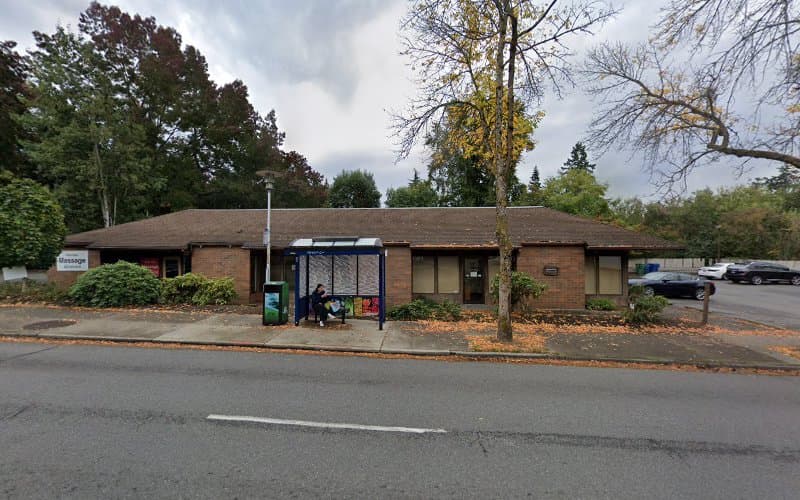


Klinic operates as a telehealth-focused clinic serving patients throughout Seattle, WA and Washington state, specializing in the intersection of addiction medicine, metabolic health, and mental health support. The clinic addresses conditions that frequently overlap—substance use disorders, obesity, and mood dysregulation—through a unified treatment model that combines medication-assisted treatment (MAT) with advanced peptide therapies. Klinic's providers recognize that patients struggling with opioid dependence or alcohol use disorder often face concurrent weight management challenges and mental health conditions, requiring integrated care rather than siloed interventions. By offering both buprenorphine-based MAT programs and GLP-1 receptor agonist peptides within a single practice, Klinic eliminates the need for patients to coordinate care across multiple specialists.
The clinic prescribes three specific GLP-1 and dual-agonist peptides for weight management and metabolic optimization: semaglutide (a GLP-1 receptor agonist), tirzepatide (a dual GIP/GLP-1 receptor agonist), and retatrutide (a triple agonist targeting GLP-1, GIP, and glucagon receptors). Semaglutide is utilized for patients requiring foundational appetite regulation and glycemic control, while tirzepatide is selected for individuals who need enhanced weight reduction through dual incretin pathway activation. Retatrutide represents the clinic's most comprehensive metabolic intervention, engaging three distinct pathways to address severe obesity and insulin resistance. These peptides are prescribed alongside behavioral support and nutritional guidance, with dosing protocols adjusted based on individual response, tolerance, and concurrent medications. For addiction treatment, Klinic provides buprenorphine/naloxone (Suboxone) prescriptions as part of medication-assisted treatment for opioid use disorder, with protocols designed to accommodate patients who may also be managing weight-related comorbidities. The clinic coordinates with local and mail-order pharmacies to ensure patients receive medications promptly, addressing a common barrier in telehealth prescribing.
Klinic's providers are licensed medical professionals authorized to prescribe controlled substances and manage complex cases involving polysubstance use, metabolic syndrome, and psychiatric comorbidities. The clinical team conducts comprehensive intake assessments that evaluate substance use history, metabolic markers, mental health symptoms, and prior treatment attempts to develop individualized care plans. Providers maintain active communication with patients through secure messaging and scheduled video consultations, adjusting treatment protocols based on reported side effects, cravings, weight trends, and lab results when available. The clinic's approach emphasizes harm reduction and patient autonomy, recognizing that recovery and metabolic health are non-linear processes requiring flexible, judgment-free support. Providers are trained in motivational interviewing and trauma-informed care, techniques particularly relevant for patients with histories of stigmatization in traditional healthcare settings.
Patients access Klinic entirely through telehealth platforms, beginning with an online intake form and progressing to a video consultation with a licensed provider. Initial appointments typically last 30-45 minutes and cover medical history, current symptoms, treatment goals, and medication options. For addiction treatment, providers discuss expectations around drug testing, which may be required periodically depending on state regulations and individual treatment plans, though the clinic emphasizes a supportive rather than punitive approach to monitoring. Prescriptions are sent electronically to the patient's pharmacy of choice, with the clinic assisting in prior authorization processes when insurance coverage is involved. Follow-up appointments are scheduled based on clinical need—weekly or biweekly during early MAT stabilization, monthly for established patients on peptide therapy. Patients communicate with their care team via text message for non-urgent questions, prescription refills, and appointment scheduling, reducing barriers common in traditional office-based practices. The clinic provides educational resources on managing side effects of GLP-1 medications (nausea, constipation, injection site reactions) and navigating early recovery challenges.
Klinic accepts various insurance plans for addiction treatment services, as MAT for opioid use disorder is widely covered under mental health parity laws, though patients are advised to verify coverage specifics during intake. Peptide therapy for weight management may require out-of-pocket payment or prior authorization depending on the insurer and documented medical necessity (BMI thresholds, comorbid conditions). The clinic's telehealth model eliminates geographic barriers for patients in rural areas of Washington state and accommodates individuals with transportation limitations, childcare responsibilities, or work schedules incompatible with in-person appointments. With a 4.9-star rating across 896 Google reviews, Klinic has established a reputation for accessibility, provider responsiveness, and non-judgmental care—factors particularly valued by patients who have experienced stigma in emergency departments or traditional primary care settings. The clinic's integration of addiction medicine with metabolic and mental health support reflects an understanding that sustainable recovery and health optimization require addressing the full spectrum of factors influencing patient well-being.
Topics Mentioned in Reviews
MyPeptideMatch.com is an independent directory. We do not provide medical advice. Always consult a qualified healthcare provider before starting any peptide therapy.