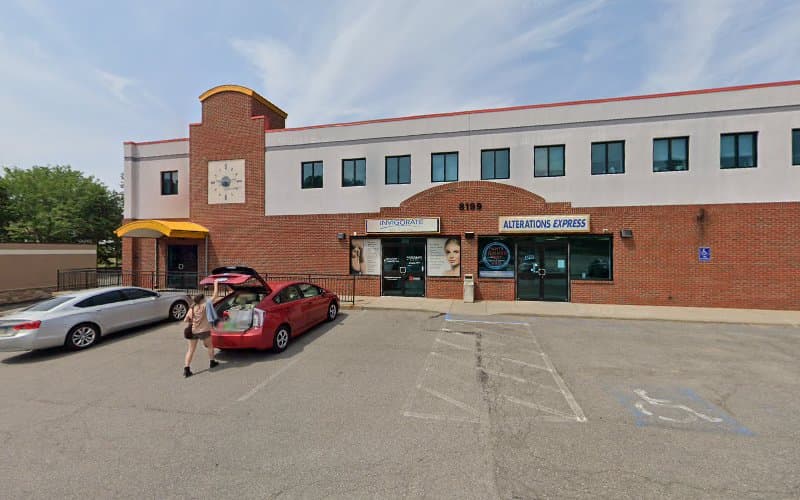

Peptilogics operates as a specialized peptide therapeutics clinic in Pittsburgh, Pennsylvania, focusing exclusively on periprosthetic joint infections (PJI) through antimicrobial peptide interventions. The clinic addresses one of orthopedic surgery's most challenging complications: biofilm-forming bacterial infections that colonize prosthetic hip and knee implants. Unlike traditional antibiotic approaches that often fail against mature biofilms, Peptilogics employs targeted antimicrobial peptides designed to penetrate and disrupt the extracellular polymeric matrix that protects bacterial colonies on implant surfaces. The facility serves as a referral center for complex PJI cases across western Pennsylvania, working in coordination with orthopedic surgeons managing patients who face potential implant removal or have failed conventional antibiotic suppression therapy.
The clinic's treatment protocols center on antimicrobial peptides with demonstrated activity against Staphylococcus aureus, Staphylococcus epidermidis, and other common PJI pathogens. Peptilogics utilizes peptides engineered to disrupt bacterial cell membranes while minimizing impact on human tissue, addressing both planktonic bacteria and biofilm-embedded organisms. Treatment approaches include systemic peptide administration for acute infections and localized delivery systems for chronic biofilm infections where bacteria have established protected communities on implant surfaces. The clinic evaluates patients with elevated inflammatory markers, persistent joint pain following arthroplasty, or confirmed infection via aspiration cultures, determining candidacy for peptide therapy based on bacterial identification, biofilm maturity, and prior treatment history. Peptilogics coordinates with referring orthopedic surgeons to integrate peptide therapy into comprehensive PJI management, which may include debridement, antibiotic spacers, or staged revision procedures.
The clinical team includes infectious disease specialists with expertise in orthopedic infections and researchers with backgrounds in peptide biochemistry and biofilm microbiology. Providers conduct detailed assessments of each patient's infection history, including initial arthroplasty date, symptom onset, previous antibiotic courses, and microbiology results from joint aspirations or intraoperative cultures. The team reviews imaging studies including radiographs and advanced imaging to assess implant loosening, bone loss, and soft tissue involvement. Treatment planning involves selecting peptide formulations based on identified pathogens, determining administration routes and dosing schedules, and establishing monitoring protocols to track infection markers including C-reactive protein, erythrocyte sedimentation rate, and synovial fluid analysis. The clinic maintains communication with orthopedic surgery teams to coordinate timing of peptide therapy relative to surgical interventions and to share outcomes data that inform revision surgery decisions.
Patients referred to Peptilogics in Pittsburgh typically present after failed antibiotic suppression or as candidates for complex revision arthroplasty with poor prognosis. Initial consultations involve comprehensive infection history review, physical examination of the affected joint, and analysis of all available microbiology and imaging data. The clinic explains peptide therapy mechanisms, expected treatment duration, monitoring requirements, and how peptide interventions integrate with surgical planning. Treatment protocols vary from weeks to months depending on infection chronicity and biofilm burden. Patients undergo regular laboratory monitoring to assess infection response and peptide tolerance, with adjustments made based on inflammatory marker trends and clinical symptoms. The clinic provides detailed coordination with orthopedic surgeons regarding optimal timing for any planned revision procedures, as successful biofilm disruption may improve conditions for reimplantation or allow for implant retention in select cases.
Peptilogics serves patients throughout the Pittsburgh metropolitan area and accepts referrals from orthopedic practices across western Pennsylvania. The clinic focuses specifically on the subset of PJI patients who represent treatment challenges due to biofilm-protected infections, antibiotic-resistant organisms, or medical comorbidities that complicate traditional management. By concentrating on antimicrobial peptide therapeutics for this defined clinical problem, the facility offers a specialized resource for cases where conventional approaches have proven insufficient. The clinic's research-informed approach reflects ongoing investigation into peptide-based strategies for device-associated infections, positioning Pittsburgh as a center for advanced PJI management through novel antimicrobial modalities.

MyPeptideMatch.com is an independent directory. We do not provide medical advice. Always consult a qualified healthcare provider before starting any peptide therapy.
Pittsburgh, PA