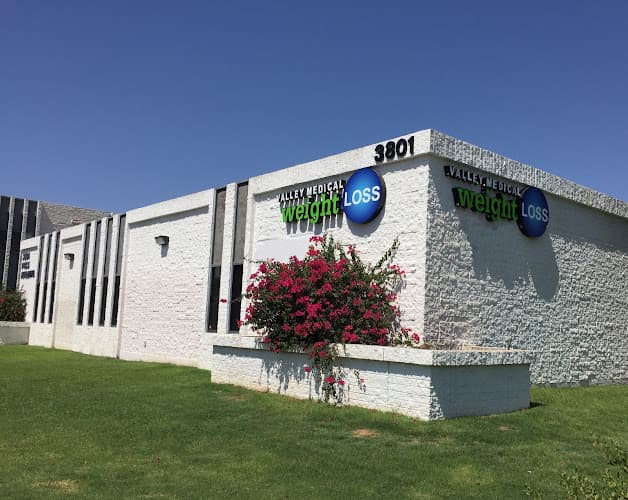


Scottsdale Weight Loss Center, with its Phoenix, AZ location, operates under the medical direction of Craig Primack, MD, FACP, FAAP, MFOMA, a physician holding board certification in Obesity Medicine. Dr. Primack's credentials reflect specialized training in the medical management of obesity, positioning the clinic as a medically supervised alternative to commercial diet programs. The center focuses exclusively on evidence-based weight loss interventions, integrating pharmacotherapy with structured nutritional protocols designed for patients who have struggled with traditional diet and exercise approaches alone.
The clinic's treatment protocols center on GLP-1 receptor agonist peptides, specifically Semaglutide and Tirzepatide, which work by mimicking incretin hormones that regulate appetite and glucose metabolism. Semaglutide, administered as a weekly subcutaneous injection, has demonstrated significant weight reduction in clinical trials by enhancing satiety and slowing gastric emptying. Tirzepatide functions as a dual GIP/GLP-1 receptor agonist, targeting both glucose-dependent insulinotropic polypeptide and glucagon-like peptide-1 pathways for potentially enhanced metabolic effects. These peptide therapies are prescribed as part of comprehensive programs that include medical monitoring, laboratory assessment, and ongoing dosage optimization based on individual patient response and tolerance. The center also incorporates Optifast meal replacement systems for patients requiring structured caloric control, providing a medically formulated low-calorie diet option that supports rapid initial weight loss while preserving lean muscle mass.
Dr. Primack's fellowship training in obesity medicine informs the clinic's approach to treating weight loss as a chronic medical condition rather than a lifestyle failure. His dual board certifications in internal medicine (FACP) and pediatrics (FAAP), combined with his diplomate status from the American Board of Obesity Medicine (MFOMA), enable the practice to address the complex metabolic, hormonal, and psychological factors that contribute to weight gain and maintenance. The medical team includes trained medical assistants who conduct initial assessments, body composition analysis, and patient education sessions. Each program begins with a comprehensive medical evaluation to identify contraindications, assess comorbid conditions such as type 2 diabetes or hypertension, and establish baseline metabolic parameters that guide treatment selection.
Patients at the Phoenix location receive in-person consultations, allowing for direct physical examination, real-time adjustment of treatment plans, and hands-on instruction for peptide self-administration. The clinic's structured programs typically include regular follow-up appointments to monitor weight trends, assess medication side effects, and adjust nutritional plans as patients progress through different phases of weight loss. The front desk staff and medical assistants coordinate scheduling, insurance verification, and ongoing communication between visits. Patients work with the clinical team to transition from meal replacement phases to sustainable eating patterns that support long-term weight maintenance, with emphasis on behavioral strategies that address the environmental and psychological triggers for overeating.
Scottsdale Weight Loss Center distinguishes itself through its physician-led model, where an obesity medicine specialist directly oversees all treatment decisions rather than delegating care to non-physician providers. The clinic's focus on GLP-1 peptide therapies reflects current evidence supporting these agents as among the most effective pharmacological interventions for obesity, with weight loss outcomes that significantly exceed older appetite suppressants. For Phoenix-area residents seeking medical weight loss treatment, the center offers an alternative to surgical interventions and provides a bridge for patients who may be candidates for bariatric surgery but require preoperative weight reduction. The integration of Optifast protocols with peptide therapy allows for flexible treatment intensity based on patient goals, medical urgency, and individual preferences regarding meal structure and dietary autonomy.
Craig Primack, MD· FACP, FAAP, MFOMA
Craig Primack, MD, FACP, FAAP, MFOMA
Obesity Medicine Certified Physician
Founder and Managing Member
Diana Bone, FNP-C
Alicia Earley, FNP-C
Kristen Ash, FNP-C, FNP-BC
Robert Ziltzer, MD, FACP, FAAP, FOMA
Obesity Medicine Certified Physician
Topics Mentioned in Reviews
MyPeptideMatch.com is an independent directory. We do not provide medical advice. Always consult a qualified healthcare provider before starting any peptide therapy.