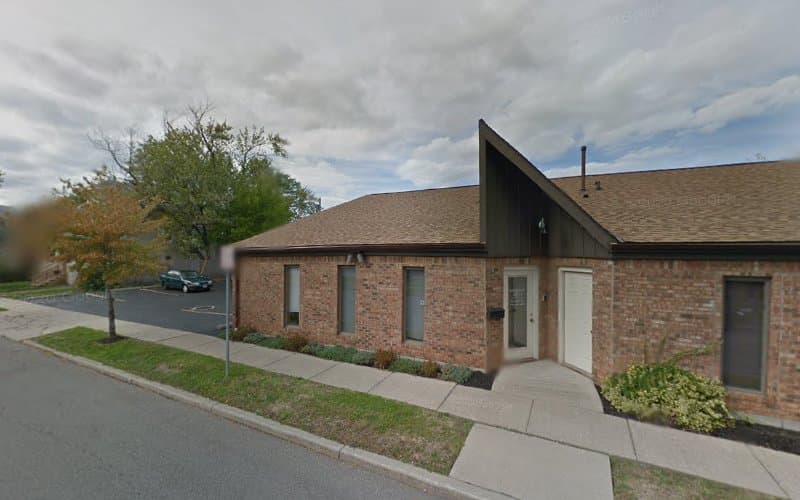


Synergy Bariatrics in Buffalo, NY operates as an MBSAQIP-accredited bariatric surgery center, meeting the Metabolic and Bariatric Surgery Accreditation and Quality Improvement Program standards established by the American College of Surgeons and the American Society for Metabolic and Bariatric Surgery. This accreditation requires adherence to specific protocols for patient safety, surgical outcomes tracking, and multidisciplinary care coordination. The clinic provides both surgical weight loss procedures and medical weight management options, including GLP-1 receptor agonist medications such as semaglutide and tirzepatide for patients who qualify based on BMI and comorbidity criteria. Buffalo-area patients access bariatric services through hybrid consultation models that combine in-person surgical evaluations with telehealth follow-up appointments for ongoing weight management support.
The surgical program at Synergy Bariatrics includes laparoscopic sleeve gastrectomy, Roux-en-Y gastric bypass, and revisional bariatric procedures for patients who have undergone previous weight loss surgery. Each surgical candidate completes a preoperative evaluation process that includes nutritional assessment, psychological evaluation, and medical clearance to identify and address conditions such as type 2 diabetes, hypertension, sleep apnea, and fatty liver disease. The medical weight management track serves patients who do not meet surgical criteria or prefer pharmacological intervention, utilizing GLP-1 medications alongside dietary counseling and metabolic monitoring. The clinic's MBSAQIP accreditation requires participation in a national outcomes registry, ensuring that surgical complication rates, weight loss results, and resolution of obesity-related conditions are tracked and benchmarked against peer institutions.
Patients at Synergy Bariatrics work with a multidisciplinary team that includes bariatric surgeons, registered dietitians, and medical support staff trained in obesity medicine protocols. The preoperative phase typically spans three to six months and includes insurance authorization coordination, nutritional education on post-surgical dietary progression from clear liquids to solid foods, and behavioral modification strategies to address emotional eating patterns. Surgical patients receive specific guidance on protein intake targets (60-80 grams daily post-surgery), vitamin and mineral supplementation requirements including calcium citrate, vitamin B12, and iron, and exercise progression timelines. Medical weight management patients on GLP-1 therapy attend regular monitoring appointments to assess medication tolerance, adjust dosing, and evaluate weight loss velocity alongside metabolic markers such as hemoglobin A1c and lipid panels.
The patient experience at Synergy Bariatrics reflects the clinic's 4.6-star Google rating across 21 reviews, with feedback patterns indicating strengths in surgical outcomes and areas for operational refinement in phone communication and scheduling coordination. Postoperative care includes structured follow-up at one week, one month, three months, six months, and annually, with telehealth options available for routine check-ins that do not require physical examination. Patients receive education on recognizing surgical complications such as stricture, leak, or nutritional deficiencies, with protocols for urgent access to the surgical team. The hybrid consultation model allows initial bariatric evaluations to occur in-person at the Buffalo office for physical assessment and diagnostic review, while follow-up weight management visits and GLP-1 medication adjustments can be conducted via telehealth for patients across Western New York.
Synergy Bariatrics differentiates itself in the Buffalo bariatric surgery market through its MBSAQIP accreditation status, which only 10-15% of bariatric programs nationwide maintain due to rigorous quality standards. The clinic accepts most major insurance plans that cover bariatric surgery, typically requiring documentation of BMI ≥40 or BMI ≥35 with obesity-related comorbidities, along with evidence of previous medically supervised weight loss attempts. For self-pay patients or those pursuing medical weight management with GLP-1 medications not covered by insurance, the clinic provides transparent pricing structures. The integration of surgical and medical weight loss pathways under one practice allows patients to transition between treatment modalities based on evolving clinical needs, insurance coverage changes, or personal preferences, with continuity of care maintained throughout the weight management journey.
Topics Mentioned in Reviews
MyPeptideMatch.com is an independent directory. We do not provide medical advice. Always consult a qualified healthcare provider before starting any peptide therapy.