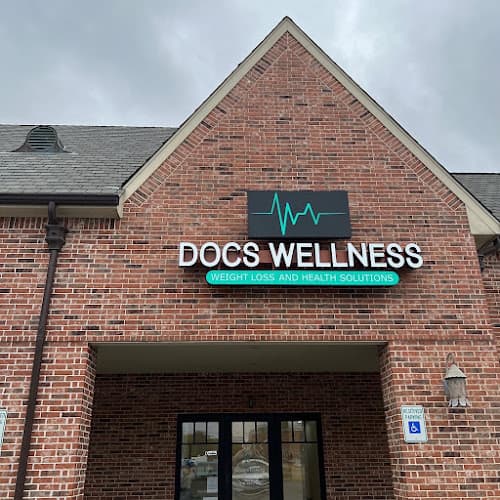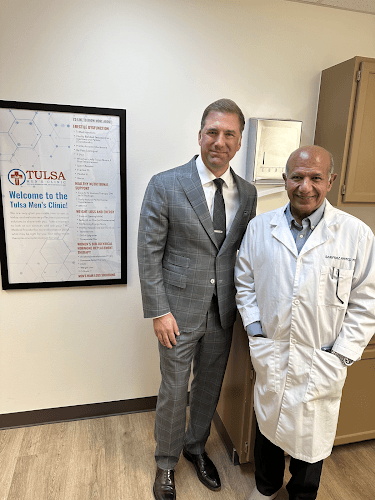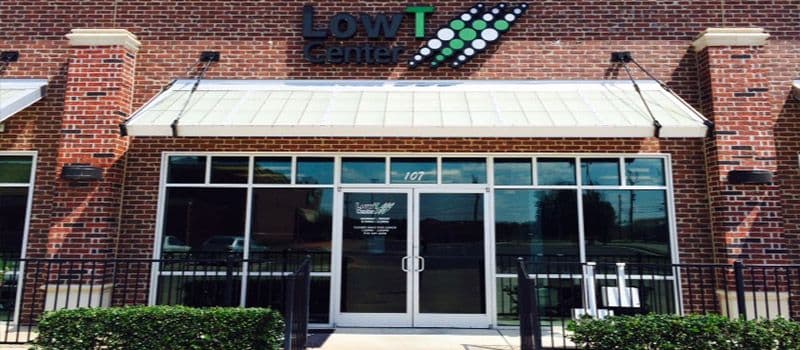

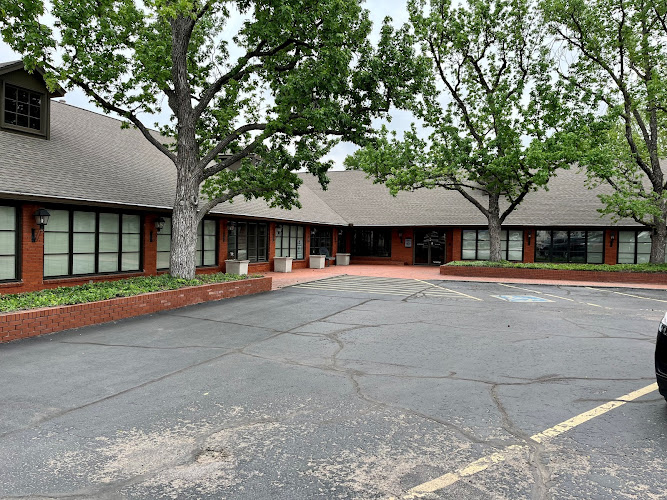
Tulsa Medical Weight Loss Clinic operates in Tulsa, Oklahoma, providing medically supervised weight loss programs that center on GLP-1 receptor agonist therapies combined with individualized metabolic assessment. The clinic serves patients throughout the greater Tulsa area who require structured medical intervention for obesity, metabolic syndrome, and weight-related health complications including type 2 diabetes management. Each patient undergoes comprehensive baseline evaluation including body composition analysis, metabolic panel review, and assessment of comorbid conditions before treatment initiation.
The clinic's primary therapeutic approach utilizes GLP-1 medications such as semaglutide and tirzepatide, administered under direct medical supervision with dosing protocols adjusted based on individual response and tolerance. Treatment plans incorporate regular monitoring of blood glucose levels, lipid panels, and liver function markers to ensure safe medication titration. For diabetic patients, the clinic coordinates GLP-1 therapy with existing diabetes management protocols, often enabling reduction of other glucose-lowering medications as weight loss progresses. The medical team also provides nutritional counseling focused on protein-forward meal planning, glycemic load management, and sustainable caloric restriction strategies that complement pharmacotherapy rather than relying on restrictive dieting alone.
Nursing staff at Tulsa Medical Weight Loss Clinic deliver weekly or biweekly patient check-ins during the active weight loss phase, monitoring vital signs, reviewing food logs, and addressing medication side effects such as nausea or gastrointestinal adjustment. These regular touchpoints allow for real-time protocol modifications and provide accountability structures that many patients identify as critical to their success. The clinic's nurses hold certifications in obesity medicine support and diabetes education, enabling them to answer clinical questions and provide evidence-based guidance between physician consultations. Patients typically remain under active care for six to twelve months during the weight reduction phase, followed by transition to maintenance protocols.
Goal-setting forms the foundation of the clinic's treatment philosophy, with providers working alongside patients to establish realistic target weights based on BMI reduction, resolution of obesity-related conditions, and functional health improvements rather than aesthetic ideals alone. Initial consultations include discussion of previous weight loss attempts, identification of behavioral patterns that have historically undermined success, and establishment of measurable milestones at 30, 60, and 90-day intervals. The clinic tracks outcomes including percentage of body weight lost, changes in hemoglobin A1c for diabetic patients, blood pressure normalization, and improvements in mobility or joint pain. This metrics-driven approach allows both patient and provider to objectively assess treatment efficacy and make data-informed decisions about protocol continuation or modification.
Tulsa Medical Weight Loss Clinic schedules appointments throughout the week at their Tulsa location, with initial consultations typically lasting 45 to 60 minutes to allow thorough medical history review and treatment education. The clinic accepts most major insurance plans for medical visits and metabolic testing, though patients should verify coverage for GLP-1 medications specifically, as formulary inclusion varies by carrier and often requires prior authorization documentation. For Oklahoma residents seeking medically supervised weight loss with pharmacologic support rather than surgical intervention, the clinic provides an alternative pathway that addresses both the physiological and behavioral components of obesity treatment within a clinical framework designed for long-term metabolic health optimization.
Topics Mentioned in Reviews
MyPeptideMatch.com is an independent directory. We do not provide medical advice. Always consult a qualified healthcare provider before starting any peptide therapy.