NAD+: Dosage, Benefits, FDA Status & Clinics (2026)
NAD+
Supplement
Anti-AgingCellular EnergyNeuroprotection
Last reviewed March 2026·MyPeptideMatch Team
What Is NAD+?
NAD+ — nicotinamide adenine dinucleotide — sits at the center of nearly every energy-producing reaction in your body. Every cell you have uses it. Without it, mitochondria can't generate ATP, DNA repair stalls, and the enzymes that regulate cellular aging essentially go quiet. That's not hyperbole; it's biochemistry.
The reason NAD+ gets so much attention in longevity medicine comes down to one uncomfortable fact: your NAD+ levels drop by roughly 50% between your 20s and 60s.[1] That decline tracks closely with the metabolic slowdowns, cognitive changes, and reduced cellular repair capacity that define aging. Whether restoring NAD+ levels meaningfully reverses those changes in humans is still being worked out — but the question is legitimate and the research is serious.
What makes NAD+ unusual in the peptide therapy world is its regulatory status. It's classified as a supplement, not a drug, which means you can buy oral precursors like NMN or NR at any health food store. The clinical versions — IV infusions and subcutaneous injections — are a different story. They're administered in clinic settings, cost significantly more, and come with a much larger immediate impact on circulating NAD+ levels. Whether that larger impact translates to meaningfully better outcomes than oral supplementation is one of the genuinely open questions in this space.
Key Takeaways
NAD+ is a coenzyme present in every cell, essential for mitochondrial energy production, DNA repair, and sirtuin activation — enzymes directly linked to cellular aging.
Circulating NAD+ levels fall by approximately 50% between young adulthood and middle age, which is the core rationale for supplementation.[1]
The FDA classifies NAD+ as a dietary supplement; oral precursors (NMN, NR) are available over the counter, while IV and subcutaneous formulations are administered in clinical settings.
IV infusions reliably raise plasma NAD+ levels acutely, but whether that translates to meaningful long-term clinical outcomes in healthy humans hasn't been established in large randomized trials.
Side effects from IV infusion are common but typically mild and rate-dependent — slowing the drip almost always resolves them.
Class
Coenzyme / NAD+ precursor therapy
Mechanism
Sirtuin activation, PARP-mediated DNA repair, mitochondrial electron transport chain support
FDA Status
Dietary supplement (oral); no approved drug indication
Administration
IV infusion, subcutaneous injection, oral (NMN/NR precursors)
Typical Dose (Clinical Range)
IV: 250–1,000 mg per session; SubQ: 25–100 mg per injection — dosing for IV and subcutaneous NAD+ administration has not been established in FDA-approved clinical guidelines; practitioner-reported ranges vary widely and lack standardized evidence.
Half-life
Intracellular NAD+ undergoes rapid turnover; plasma half-life of exogenous NAD+ remains poorly characterized in clinical studies
Primary Uses
Anti-aging, cellular energy support, neuroprotection, metabolic health
CAS Number
53-84-9
Molecular Weight
663.43 g/mol
Typical Dosing — Practitioner & Clinical Ranges
There are no published randomized clinical trials establishing an official therapeutic dose for exogenous NAD+ administration. The ranges below reflect what practitioners use in clinical and wellness settings, based on available protocol guides and published observational data.
Not established clinical dosing
These dose ranges are not derived from randomized controlled trials. They represent practitioner consensus and observational clinical experience. Dosing should be discussed with a licensed healthcare provider familiar with NAD+ therapy.
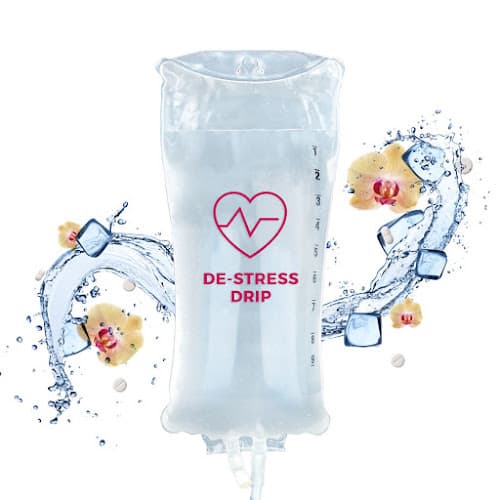
IV infusion is the most studied delivery route for acute NAD+ repletion. Protocols in clinical settings typically run 250 mg to 1,000 mg per session, infused over 2 to 8 hours depending on dose and patient tolerance — though IV infusion protocols for NAD+ have been reported in clinical and research settings; however, specific dosing ranges and infusion durations are not established in peer-reviewed literature or FDA-approved labeling. The slow infusion rate matters — most of the side effects associated with IV NAD+ (flushing, chest tightness, nausea) are rate-dependent, meaning they occur when the infusion runs too fast and largely resolve when it's slowed down. A common induction protocol involves daily or every-other-day infusions for 4–10 days, followed by monthly maintenance sessions, though this varies widely by clinic and indication.
Subcutaneous injection protocols — a newer approach gaining traction in peptide therapy clinics — have not been established in clinical literature; available evidence supports transdermal patch application (1–2 patches per week) as the verified formulation. The subcutaneous route avoids the infusion chair, reduces the acute side effect burden, and allows self-administration at home after initial clinic instruction. Bioavailability relative to IV hasn't been rigorously established in published literature.
NAD+ Administration Routes at a Glance
Parameter
Oral precursors — primarily NMN (nicotinamide mononucleotide) and NR (nicotinamide riboside) — are the most accessible option and the most studied in recent human trials. A 2022 randomized trial found that 300 mg/day of NMN over 12 weeks raised blood NAD+ levels and improved muscle insulin sensitivity in older adults with prediabetes.[2] The oral route won't produce the acute plasma spikes seen with IV, but for long-term maintenance, it's a practical and lower-risk approach.
What Makes NAD+ Different
Most compounds in the peptide therapy space target a specific pathway — a receptor, a growth factor, a single inflammatory cascade. NAD+ doesn't work that way. It's substrate for dozens of enzymatic reactions simultaneously. When you raise NAD+ levels, you're not flipping one switch; you're refueling a system that powers cellular energy, DNA repair, immune regulation, and circadian rhythm all at once.
The sirtuin connection
Sirtuins — a family of seven NAD+-dependent deacylase enzymes (SIRT1 through SIRT7) — are among the most studied longevity regulators in biology. They can't function without NAD+ as a cofactor. SIRT5, for example, acts as a protein lysine desuccinylase and demalonylase, modifying mitochondrial proteins in ways that affect metabolic efficiency.[3] When NAD+ levels fall with age, sirtuin activity falls with them. Restoring NAD+ is, in part, an attempt to restore sirtuin function.
The neurological angle is particularly interesting. In rat cortical neuron cultures, NAD+ dose-dependently attenuated oxidative DNA damage induced by amyloid beta-peptide — the protein that accumulates in Alzheimer's disease.[4] That's an in-vitro finding, not a clinical result, but it points to a mechanism that's biologically plausible and worth watching as human trials mature. The mitochondrial stress response pathway activated by amyloid-beta toxicity — including the mitochondrial unfolded protein response — appears to be modulated by NAD+ availability.[5]
What separates NAD+ from most longevity supplements is that the decline in levels with age is well-documented, the enzymes that depend on it are well-characterized, and the question isn't whether NAD+ matters — it's whether exogenous supplementation at clinically used doses actually moves the needle on outcomes that matter to patients.
How Does NAD+ Work?
NAD+ functions primarily as an electron carrier in the mitochondrial electron transport chain — the process that converts nutrients into ATP, the energy currency your cells run on. In this role, NAD+ accepts electrons (becoming NADH) and shuttles them to complexes in the inner mitochondrial membrane, where they drive ATP synthesis. Every glucose molecule you metabolize, every fatty acid your cells burn — NAD+ is in the middle of it.
But the energy metabolism role is only part of the story. NAD+ is also the required substrate for two classes of enzymes that directly regulate cellular aging and stress responses:
Sirtuins (SIRT1–SIRT7) are NAD+-dependent deacylases that modify histones and other proteins, regulating gene expression, mitochondrial biogenesis, inflammation, and metabolic adaptation. SIRT1 and SIRT3 are the most studied in the context of aging and metabolic health. SIRT5 has been characterized as a protein lysine demalonylase and desuccinylase — it modifies mitochondrial proteins in ways that affect how efficiently your cells extract energy from fuel.[3] When NAD+ is abundant, sirtuins are active. When it falls, they go quiet.
PARPs (poly-ADP-ribose polymerases) use NAD+ to detect and repair DNA strand breaks. They're essentially the emergency repair crew for your genome. The problem is that PARPs are voracious consumers of NAD+ — under high oxidative stress or significant DNA damage, PARP activity can deplete cellular NAD+ rapidly, creating a feedback loop where more damage leads to less NAD+ leads to less repair capacity.
There's also an immune regulation dimension. NAD+ participates in ADP-ribosylation reactions — the transfer of ADP-ribose groups to target proteins — that modulate immune cell behavior and inflammatory signaling.[6] Recent research identified NLRC5, an innate immune sensor, as a NAD+-sensitive regulator of inflammatory cell death (PANoptosis), suggesting NAD+ availability may influence how aggressively cells respond to inflammatory signals.[7]
The net picture: NAD+ isn't a single-target molecule. It's more like a metabolic resource that multiple critical systems compete for. As it declines with age, all of those systems — energy production, DNA repair, sirtuin-mediated gene regulation, immune modulation — operate at reduced capacity simultaneously.
What the Clinical Evidence Actually Shows
The honest summary is this: the preclinical evidence for NAD+ is strong and mechanistically coherent; the human clinical evidence is promising but still early-stage and mostly small.
Animal studies have consistently shown that restoring NAD+ levels — either through direct supplementation or by boosting biosynthesis — improves mitochondrial function, enhances muscle performance, extends healthspan in multiple model organisms, and reduces markers of neurodegeneration.[5] These are real findings in well-controlled models. The limitations are what you'd expect: mice aren't humans, doses used in rodent studies don't translate directly, and lifespan extension in a worm or mouse doesn't guarantee anything in a 60-year-old person.
Human trials have focused primarily on oral precursors (NMN and NR) rather than IV NAD+ directly, because oral trials are easier to conduct at scale. Key findings from published human studies:
A 12-week randomized, placebo-controlled trial in older adults with prediabetes found that 300 mg/day of NMN significantly increased skeletal muscle NAD+ metabolite levels and improved muscle insulin sensitivity — specifically, insulin-stimulated glucose disposal improved meaningfully in the NMN group.[2] That's a clinically relevant metabolic outcome, not just a biomarker change.
A separate trial examining NR supplementation in healthy middle-aged and older adults found that 1,000 mg/day raised blood NAD+ levels substantially but produced more modest effects on metabolic outcomes. Studies examining nicotinamide-related supplementation in adults have reported varying effects on NAD+ metabolism and metabolic outcomes, though specific dose-response relationships in this population require further characterization.
For IV NAD+ specifically, published human data is sparse. Most of the clinical experience comes from observational reports in addiction medicine — where IV NAD+ has been used as part of detoxification protocols — and from wellness clinic case series. Controlled trial data on IV NAD+ for anti-aging or cognitive outcomes in healthy adults essentially doesn't exist yet.
What We Don't Know Yet
Long-term safety — No long-term safety data exists for repeated high-dose IV NAD+ administration. Most published human studies run 8–12 weeks. We don't know what happens at 2 or 5 years.
IV vs. oral equivalence — Whether the acute plasma spike from IV infusion produces meaningfully better outcomes than sustained oral supplementation hasn't been tested head-to-head in a controlled trial.
Optimal dosing — The dose-response relationship in humans is poorly characterized. Higher isn't necessarily better, and the ceiling for benefit is unknown.
Cognitive outcomes — The neuroprotective signals from animal and cell studies[4][5] haven't been replicated in powered human cognitive trials.
Cancer biology interaction — NAD+ supports DNA repair, which is generally good — but rapidly dividing cancer cells also rely heavily on NAD+ metabolism. The implications of chronic NAD+ supplementation in cancer survivors or high-risk individuals aren't established.
Biomarker vs. outcome gap — Most human trials show that supplementation raises NAD+ levels. Fewer show that raising NAD+ levels translates to outcomes patients actually care about: better physical function, slower cognitive decline, reduced disease incidence.
Side Effects — What to Actually Expect
During IV infusion:
Flushing and warmth — The most common infusion reaction; typically face, chest, and arms. Almost always rate-dependent — slowing the drip resolves it within minutes.
Nausea — Reported frequently, particularly at higher doses or faster infusion rates. Pre-medicating with anti-nausea agents is common in clinic protocols.
Chest tightness or pressure — Reported by a meaningful subset of patients during infusion; generally benign and rate-dependent, but should prompt a rate reduction and clinical assessment if it persists.
Headache — Common during and shortly after infusion; usually resolves within a few hours.
Muscle cramping — Muscle cramping has been anecdotally reported in some individuals receiving NAD+ supplementation, though clinical characterization and mechanistic understanding remain limited.
With subcutaneous injection:
Injection site reactions — Mild redness, tenderness, or transient swelling at the injection site. Rotating sites reduces this.
Flushing — Less intense than IV but still reported by some patients.
GI symptoms — Generally milder than IV; some patients report mild nausea.
With oral supplementation (NMN/NR):
GI discomfort — Nausea, bloating, or loose stools at higher doses; usually resolves with dose reduction or taking with food.
Flushing — Less common than with niacin (a related compound) but occasionally reported.
Rare but worth knowing:
Hypotension — Blood pressure drops have been reported during IV infusion, particularly in patients who are volume-depleted. Hydration before infusion matters.
Drug interactions — NAD+ metabolism intersects with multiple enzymatic pathways; potential interactions with chemotherapy agents and other NAD+-targeting drugs are not well characterized. If you're on cancer treatment or immunosuppressants, discuss this explicitly with your oncologist before starting.
If you experience persistent chest tightness, significant blood pressure drop, or severe nausea during an IV session, tell the clinic staff immediately — these are manageable but need prompt attention, not waiting it out.
Regulatory & Access Status
Access status — March 2026
NAD+ is classified as a dietary supplement by the FDA. Oral forms and precursors (NMN, NR, niacin) are available over the counter without a prescription. IV and subcutaneous formulations are administered in clinical settings — typically peptide therapy clinics, integrative medicine practices, and IV wellness centers — and do not require a prescription in most US states, though oversight varies. There is no FDA-approved drug indication for NAD+ in any form.
The supplement classification means NAD+ products aren't subject to the same manufacturing standards, purity testing, or efficacy requirements as pharmaceutical drugs. For oral supplements, quality varies considerably between brands — third-party tested products from established manufacturers are meaningfully more reliable than unverified options.
For IV and subcutaneous formulations, the situation is more regulated by default: compounding pharmacies that prepare sterile injectable NAD+ must comply with USP <797> sterile compounding standards, and most clinics sourcing from licensed compounding pharmacies are working with a higher-quality product than you'd find in a supplement aisle. That said, not all clinics source equally carefully — asking your provider for documentation of their compounding pharmacy's compliance and testing practices is a reasonable question.
The FDA has not placed NAD+ on any prohibited or controlled substances list. It is not scheduled under the DEA. WADA's prohibited list status for NAD+ has not been established in available sources, and independent verification of this regulatory classification would require direct consultation of current WADA prohibited substance lists.
What the Evidence Does Not Show
The preclinical data for NAD+ is genuinely compelling — the mechanisms are real, the animal results are consistent, and the logic of restoring a declining cofactor is sound. But the human evidence has significant gaps that are worth being direct about.
No published randomized controlled trial has demonstrated that NAD+ supplementation — in any form, at any dose — extends human lifespan, reverses aging-related cognitive decline in a clinically meaningful way, or reduces the incidence of age-related disease. The trials that exist show biomarker improvements (raised NAD+ levels, improved insulin sensitivity in specific populations) and are encouraging, but they're small, short, and not powered to detect hard clinical outcomes.
The IV infusion experience that many patients describe as dramatic — improved energy, mental clarity, mood lift within days of a loading protocol — is real as a subjective report. Whether it reflects true neurological restoration or a more acute metabolic effect isn't established. The absence of controlled IV NAD+ trials in healthy aging adults means we're largely extrapolating from oral precursor data and mechanism-based reasoning.
That's not a reason to dismiss the therapy. It's a reason to go in with accurate expectations: this is a biologically plausible intervention with promising early-stage evidence, not a proven treatment for aging.
FAQ
Does NAD+ IV infusion actually work?
It depends on what you mean by "work." IV infusions reliably raise circulating NAD+ levels acutely, and many patients report subjective improvements in energy and mental clarity during loading protocols. Whether those changes reflect durable physiological improvement — versus an acute metabolic effect — hasn't been established in controlled human trials. The mechanism is sound; the long-term outcome data isn't there yet.
What's the difference between NAD+, NMN, and NR?
NAD+ is the active coenzyme. NMN (nicotinamide mononucleotide) and NR (nicotinamide riboside) are oral precursors that your body converts into NAD+ through biosynthetic pathways. Oral NAD+ itself is poorly absorbed intact — the molecule doesn't survive digestion well — which is why precursors are used for oral supplementation and why IV or subcutaneous delivery is used when you want to raise levels more directly and rapidly.
How long does an NAD+ infusion take?
A typical session runs 2 to 4 hours for a 500 mg dose, though some protocols run longer for higher doses. The infusion has to be slow enough to avoid the rate-dependent side effects (flushing, nausea, chest tightness). Initial loading protocols often involve daily or every-other-day sessions for 4–10 days, followed by monthly maintenance.
Can I take NAD+ supplements at home instead of going to a clinic?
Yes. Oral NMN and NR are available without a prescription and have the most published human trial data of any NAD+ intervention. The tradeoff is that oral precursors raise NAD+ levels more gradually and modestly than IV. For someone looking for a maintenance approach or preventive support, oral is practical and reasonably well-supported. For someone seeking a more acute intervention — post-illness recovery, addiction support, or significant fatigue — clinics offering IV or subcutaneous protocols are worth considering.
Is NAD+ therapy worth the cost?
That's a genuinely hard question to answer objectively given the current evidence. IV loading protocols at established clinics can run $500–$3,000+ for an initial series. The evidence supports that it raises NAD+ levels and has a plausible mechanism for the claimed benefits. Whether those benefits justify the cost relative to a well-dosed oral NMN or NR supplement — which costs $50–$100/month — isn't established by current trial data. Most practitioners who use both would say IV is appropriate for specific acute indications; oral maintenance is reasonable for long-term use.
Related Peptides & Comparisons
If NAD+ interests you for its anti-aging and cognitive protection angles, a few other compounds in the longevity space are worth understanding alongside it. Epithalon is a tetrapeptide that activates telomerase — the enzyme that maintains telomere length — and is often discussed in the same longevity context, though its evidence base is similarly preclinical-heavy. BPC-157 operates on different pathways (angiogenesis, tissue repair, gut healing) but shares the characteristic of strong animal data and limited human trial evidence.
For the cognitive neuroprotection angle specifically — which is where NAD+'s amyloid-beta interaction data[4] is most relevant — Semax and Selank are peptides with nootropic and neuroprotective mechanisms that practitioners sometimes use alongside NAD+ protocols. These aren't interchangeable; they work through entirely different mechanisms. But if you're building a longevity or cognitive support protocol, understanding where each compound fits helps you have a more informed conversation with your provider.
NAD+ vs. Related Longevity Compounds
Parameter
NAD+
Epithalon
NMN (oral)
Primary mechanism
Sirtuin activation, mitochondrial energy, DNA repair
Telomerase activation, epigenetic regulation
NAD+ precursor — same downstream effects
FDA status
Supplement
Research use only
Supplement
Human trial evidence
Small RCTs (oral precursors)
Animal studies; limited human data
Small RCTs
Administration
IV, SubQ, oral
SubQ injection
Oral capsule
Typical cost
$200–$1,000+/session (IV)
Variable
$50–$100/month
References
Yoshino J, Baur JA, Imai SI. "NAD+ Intermediates: The Biology and Therapeutic Potential of NMN and NR." Cell Metab. 2018;27(3):513-528. PMID: 29249689
Yoshino M, Yoshino J, Kayser BD, et al. "Nicotinamide mononucleotide increases muscle insulin sensitivity in prediabetic women." Science. 2021;372(6547):1224-1229. PMID: 34081492
Du J, Zhou Y, Su X, et al. "Sirt5 is a NAD-dependent protein lysine demalonylase and desuccinylase." Science. 2011;334(6057):806-809. PMID: 22076378
Hou Y, Lautrup S, Cordonnier S, et al. "NAD attenuates oxidative DNA damages induced by amyloid beta-peptide in primary rat cortical neurons." Free Radic Res. 2014;48(6):794-802. PMID: 24678962
Sorrentino V, Romani M, Mouchiroud L, et al. "Enhancing mitochondrial proteostasis reduces amyloid-β proteotoxicity." Nature. 2017;552(7684):187-193. PMID: 29211722
Karsten CM, Pandey MK, Figge J, et al. "NAD-dependent ADP-ribosylation of the human antimicrobial and immune-modulatory peptide LL-37 by ADP-ribosyltransferase-1." Innate Immun. 2015;21(1):59-71. PMID: 25128692
Sundaram B, Tweedell RE, Kumar SP, Kanneganti TD. "NLRC5 senses NAD+ to regulate inflammasome activation." Cell. 2024. PMID: 38878777
This content is for informational purposes only and does not constitute medical advice. Consult a licensed healthcare provider before starting any treatment.
Where to Buy NAD+ Online (Legally, 2026)
NAD+ is not FDA-approved as a finished drug. The clinics listed below dispense NAD+ under individual physician prescriptions through licensed compounding pharmacies — not as a research-only product. Programs start around $73/month.
These are licensed US telehealth clinics that prescribe NAD+ for patient use. Some links are affiliate links; editorial selection is independent. See our affiliate disclosure.
Dosing protocol
Protocol
Week-by-week dosing, reconstitution steps, supplies checklist, and cycle tips.
MyPeptideMatch.com does not provide medical advice. Always consult a qualified healthcare provider before starting any peptide therapy. Regulatory status may change.