
AICAR Results: What to Realistically Expect
Key Takeaways
- AICAR is a research compound with effects on metabolic regulation through AMP-activated protein kinase (AMPK) activation.
- Clinical trials on AICAR are limited, with most data derived from preclinical studies and research-only applications.
- Patients may begin to notice metabolic changes within 1-3 months, although responses can vary based on individual factors.
- Compliance with dosing, diet, and exercise significantly affects outcomes.
- AICAR is not FDA-approved and is available strictly for research purposes.
What Is AICAR?
AICAR (5-aminoimidazole-4-carboxamide ribonucleoside) is a compound that activates AMP-activated protein kinase (AMPK), influencing processes such as mitochondrial biogenesis, fatty acid oxidation, and glucose metabolism. AICAR is primarily used for metabolic and energy regulation research. It is important to note that AICAR is not FDA-approved for clinical use and is available solely for research purposes. For more detailed information, visit the AICAR full profile.
What Clinical Trials Show
Clinical trials involving AICAR are limited, with most data stemming from preclinical or animal studies. In an investigation published in PloS One (PMID 36048820), AICAR was observed to inhibit postoperative abdominal adhesion by reducing oxidative stress and promoting mesothelial cell repair. While promising, these findings are preliminary and necessitate further research to validate efficacy and safety in humans. The lack of FDA approval underscores the need for caution when interpreting these results.
Realistic Timeline
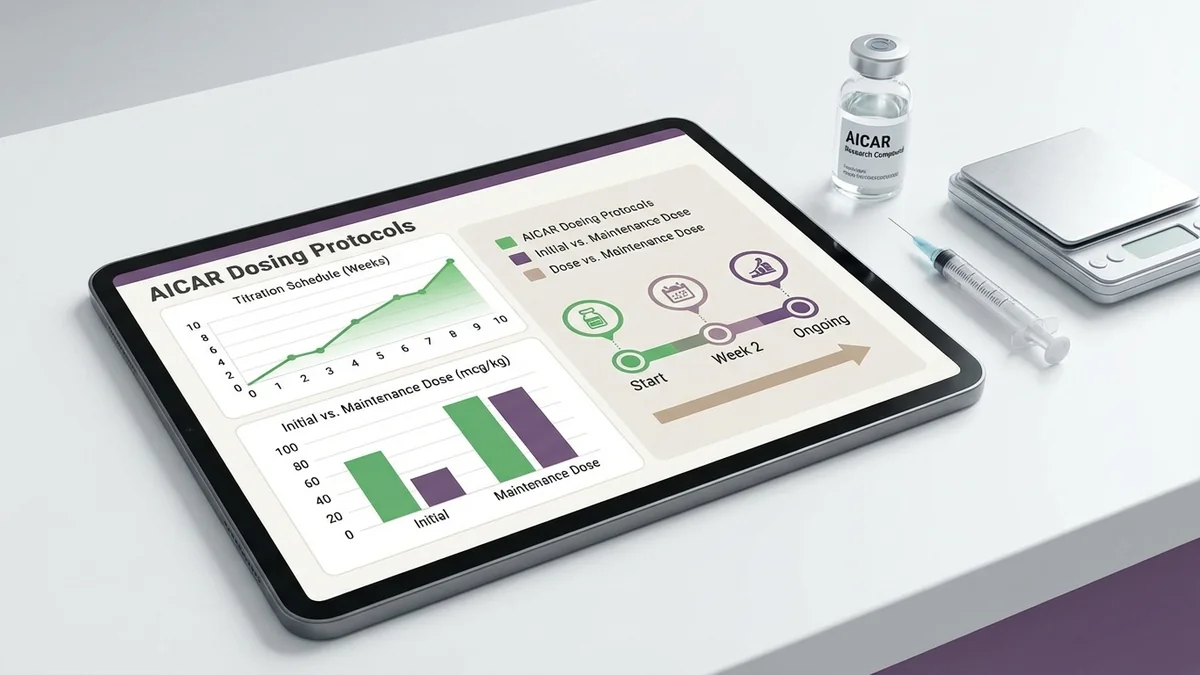
The timeline for noticing the effects of AICAR can vary significantly among individuals. Based on available research data:
- 1 Week: At this early stage, metabolic effects are generally not yet noticeable. Initial cellular changes may begin.
- 1 Month: Some patients may start to experience slight improvements in energy regulation, although significant changes are less common.
- 3 Months: More noticeable effects on metabolism and energy levels may be observed. Patients may report increased exercise capacity or reduced fatigue.
- 6 Months and Beyond: Sustained use could further enhance metabolic processes, though long-term human data is not available to confirm lasting outcomes.
Factors That Affect Results
Several factors influence the effectiveness of AICAR therapy:
- Dosing Compliance: Adhering to prescribed dosing regimens is crucial. Variations can affect the compound's efficacy.
- Diet and Exercise: A balanced diet and regular exercise can enhance AICAR's metabolic effects.
- Underlying Conditions: Preexisting health conditions may alter response rates.
- Concurrent Medications: Some medications can interact with AICAR, influencing its effectiveness.
- Individual Variation: Genetic differences and lifestyle factors contribute to varied responses.
What Results Look Like in Practice
In practice, many patients using AICAR in research settings report enhanced metabolic regulation. While clinical data suggests potential benefits for energy balance, these outcomes are not universal. The variability in individual responses means that results can differ significantly from one person to another. It is important to manage expectations and understand that not all patients will experience the same level of effect.