GLP-1 Market Growth Projected to Hit $33.26 Billion by 2030: Implications for Obesity and Diabetes Therapies
Key Takeaways:
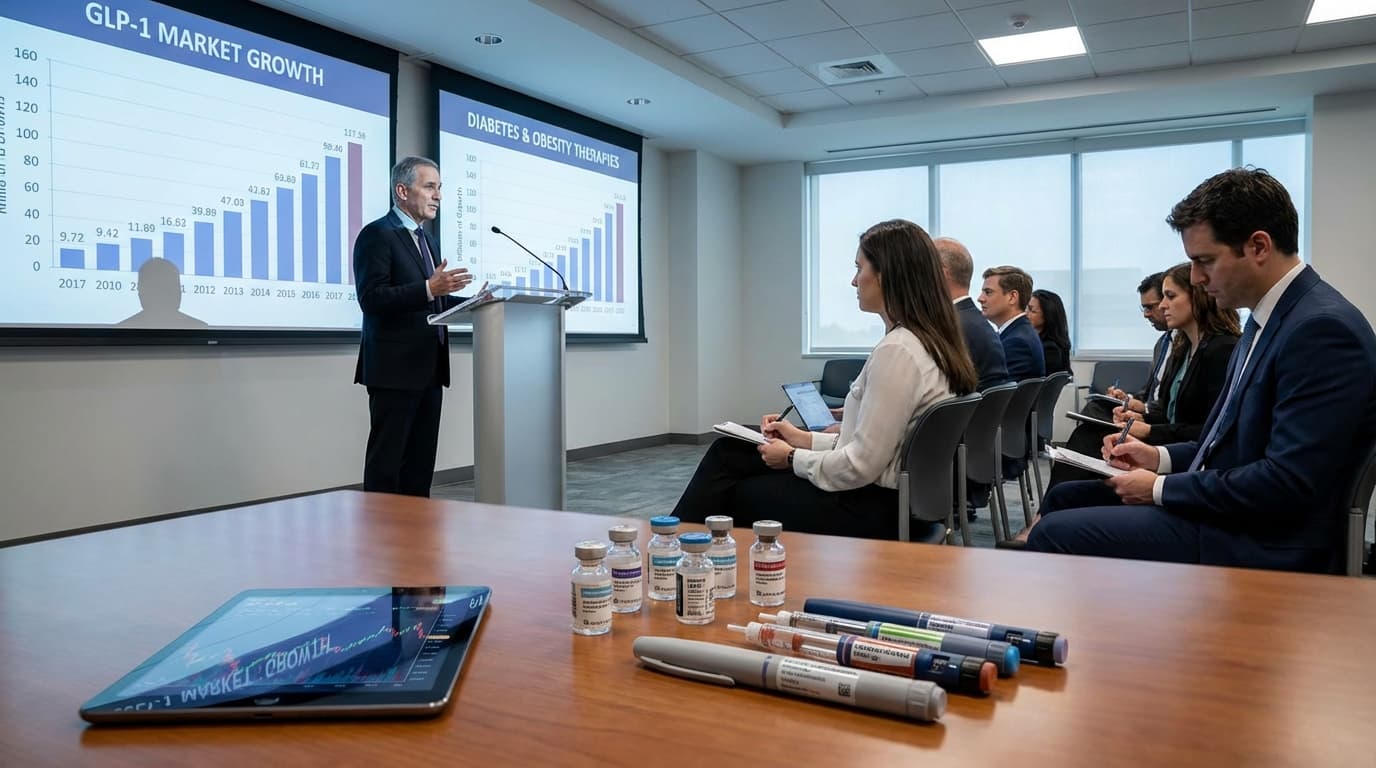
- The GLP-1 market is expected to reach $33.26 billion by 2030, according to Yahoo Finance Singapore.
- Innovations in oral formulations and long-acting peptides are driving this growth.
- These advancements could significantly impact obesity and diabetes treatment options.
- Increased accessibility and improved patient compliance are anticipated.
In a recent report highlighted by Yahoo Finance Singapore, the Glucagon-like Peptide 1 (GLP-1) market is projected to grow significantly, reaching a valuation of $33.26 billion by the year 2030. This growth is attributed largely to advancements in oral formulations and long-acting peptides, which are poised to revolutionize therapies for obesity and diabetes.
Expert Context and Analysis
GLP-1 receptor agonists, like semaglutide, have been pivotal in managing type 2 diabetes and obesity due to their ability to enhance insulin secretion, inhibit glucagon release, and slow gastric emptying. Traditionally administered via injection, these peptides have shown significant efficacy in controlling blood glucose levels and promoting weight loss.
The development of oral formulations represents a major milestone in patient care. Oral GLP-1 therapies improve patient compliance by offering a more convenient and less invasive administration route compared to injections. Additionally, the development of long-acting peptides is expected to reduce the frequency of dosing, further enhancing adherence to treatment regimens.
According to the report, these innovations are anticipated to drive the next generation of obesity and diabetes therapies, potentially improving outcomes for millions of patients worldwide.
What This Means for Patients and Clinics
For patients, the shift towards oral and long-acting GLP-1 therapies means greater accessibility and ease of use. Patients who might have been deterred by the need for injections may find these new options more acceptable, leading to better adherence and potentially better clinical outcomes.
Clinics and healthcare providers can expect to see a broader range of options for tailoring treatment plans to individual patient needs. This could lead to more personalized medicine approaches, where treatment regimens are specifically designed based on patient preferences and lifestyle, ultimately improving patient satisfaction and health outcomes.
What This Means for Patients
- Improved Compliance: Oral and long-acting formulations are likely to enhance patient adherence to prescribed treatments.
- Increased Accessibility: More patients may have access to effective GLP-1 therapies due to the ease of administration.
- Enhanced Treatment Options: Patients will benefit from a wider array of therapeutic choices, allowing for more personalized treatment plans.
FAQ
Q: What are GLP-1 receptor agonists?
A: GLP-1 receptor agonists are a class of medications used primarily to treat type 2 diabetes and obesity. They work by mimicking the action of the GLP-1 hormone, which regulates insulin secretion and appetite.
Q: How do oral GLP-1 formulations differ from injectable ones?
A: Oral formulations provide a non-invasive route of administration, which can improve patient comfort and compliance compared to injectable formulations.
Q: What impact will these developments have on the market?
A: The introduction of oral and long-acting GLP-1 therapies is expected to expand the market significantly, providing more options for both patients and healthcare providers and potentially improving treatment outcomes.
Medical Disclaimer:
This article is for informational purposes only and does not constitute medical advice. Please consult a healthcare professional for medical advice, diagnosis, or treatment.