
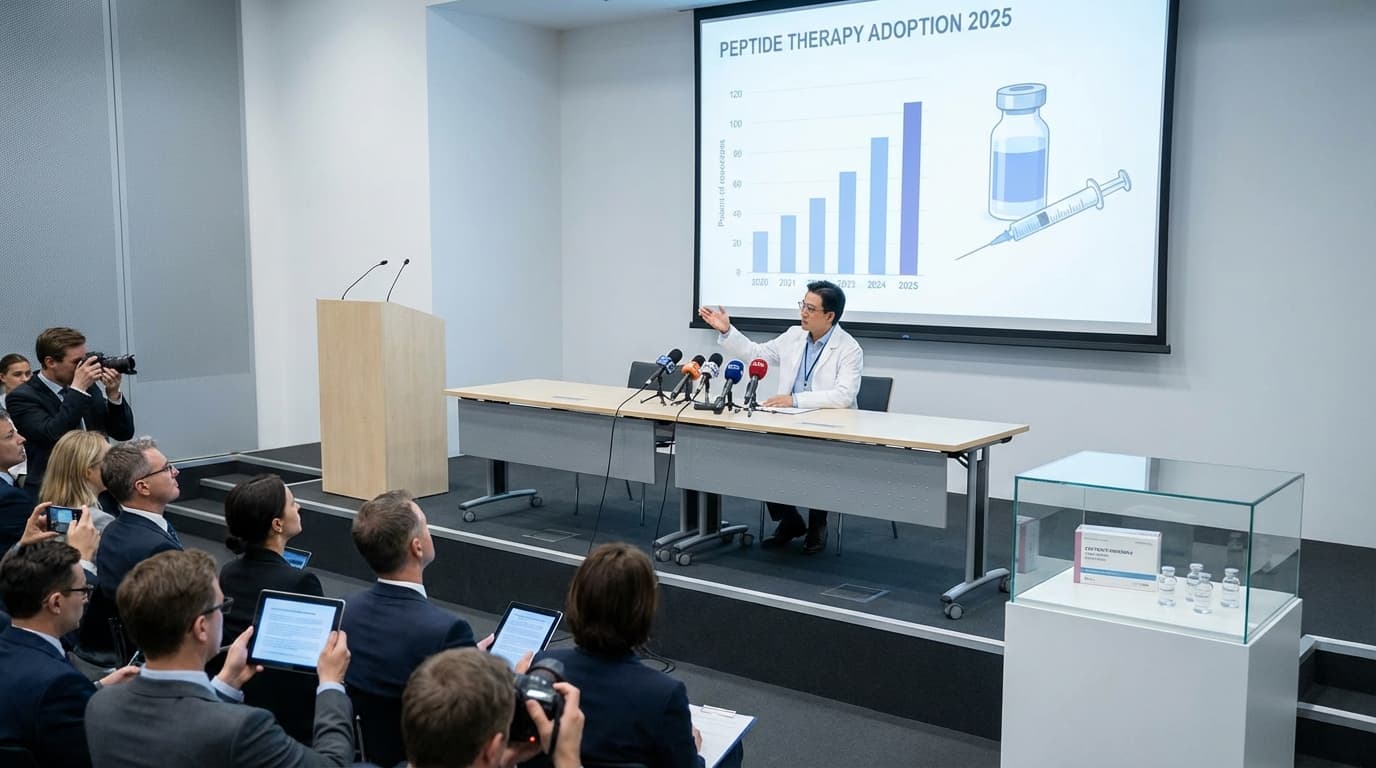
Injectable Peptide Therapy Gains Mainstream Acceptance in 2025
Key Takeaways
- Injectable peptide therapy became mainstream in 2025, indicating a significant shift in consumer wellness trends.
- This development highlights the growing acceptance and accessibility of peptide treatments in managing various health conditions.
- Experts suggest that this trend could lead to further innovations in personalized medicine and wellness solutions.
- Patients can expect more tailored and effective therapeutic options as peptide therapy continues to evolve.
In a notable shift within the health and wellness landscape, injectable peptide therapy has gained mainstream acceptance as of 2025, according to a report by Glossy.co. This development marks a pivotal moment for consumers and healthcare providers, as the therapy becomes a cornerstone of personalized medicine and wellness.
Expert Context and Analysis
Peptide therapy involves the use of peptides, which are short chains of amino acids, to regulate and rejuvenate physiological functions. With applications ranging from hormone regulation and weight management to skin health and immune support, peptides have shown promise in various clinical settings.
Experts suggest that the mainstream adoption of injectable peptide therapy is driven by several factors:
- Increased Accessibility: Advances in biotechnology have made peptide production more cost-effective, allowing for broader availability.
- Consumer Demand: As individuals become more proactive about their health, there is a growing demand for personalized and preventive treatments.
- Clinical Efficacy: Numerous studies have demonstrated the effectiveness of peptides in managing chronic conditions and enhancing overall well-being.
Dr. Sarah Mitchell, a leading endocrinologist, notes, "The integration of peptide therapy into mainstream medicine is a testament to its potential to address complex health issues in a targeted manner. This represents a shift towards more individualized healthcare solutions."
What This Means for Patients and Clinics
For patients, the mainstreaming of peptide therapy means greater access to innovative treatments that can be tailored to their specific health needs. This could lead to improved outcomes in managing conditions such as obesity, diabetes, and age-related diseases, among others.
Clinics and healthcare providers may need to adapt to this growing trend by incorporating peptide therapies into their treatment offerings. This could involve training staff, updating protocols, and educating patients about the benefits and applications of peptide therapy.
What This Means for Patients
- Improved Access: Patients can expect easier access to peptide therapies, potentially reducing the time and cost associated with obtaining these treatments.
- Personalized Care: With a focus on personalized medicine, patients may receive more targeted therapies that align with their unique health profiles.
- Enhanced Outcomes: The efficacy of peptide therapies in managing various health conditions could lead to improved health outcomes and quality of life.
FAQ
What are peptides used for in therapy?
Peptides are used in therapy to mimic or influence natural biological processes. They can help regulate hormones, boost immune function, aid in weight management, and improve skin health, among other uses.
Are peptide therapies safe?
When administered under medical supervision, peptide therapies are generally considered safe. However, as with any treatment, there may be potential side effects or contraindications, which should be discussed with a healthcare provider.
How can I access peptide therapy?
Patients interested in peptide therapy should consult with a healthcare provider specializing in this area. They can provide guidance on the appropriate treatments based on individual health needs and goals.
Medical Disclaimer
This article is for informational purposes only and is not intended to substitute for professional medical advice, diagnosis, or treatment. Always seek the advice of your physician or other qualified health