
Peptide Therapy for Weight Loss: What Works and What the Evidence Shows (2026)
-
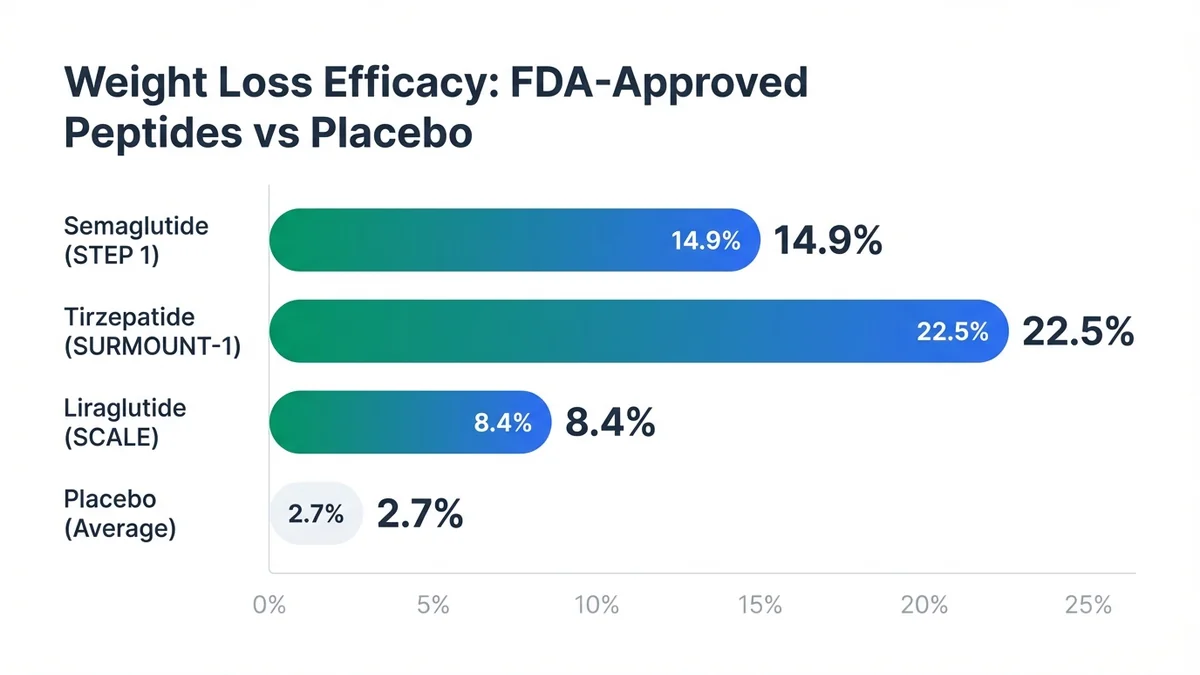
- FDA-approved peptides for weight loss: Semaglutide (Wegovy, 2.4mg weekly) achieved 14.9% average weight loss in the STEP 1 trial (NCT03548935), while tirzepatide (Zepbound, up to 15mg weekly) demonstrated 22.5% weight reduction in SURMOUNT-1 (NCT04184622)
- Liraglutide (Saxenda, 3.0mg daily) was the first GLP-1 receptor agonist approved for chronic weight management in 2014, showing 8.4% average weight loss versus placebo in clinical trials
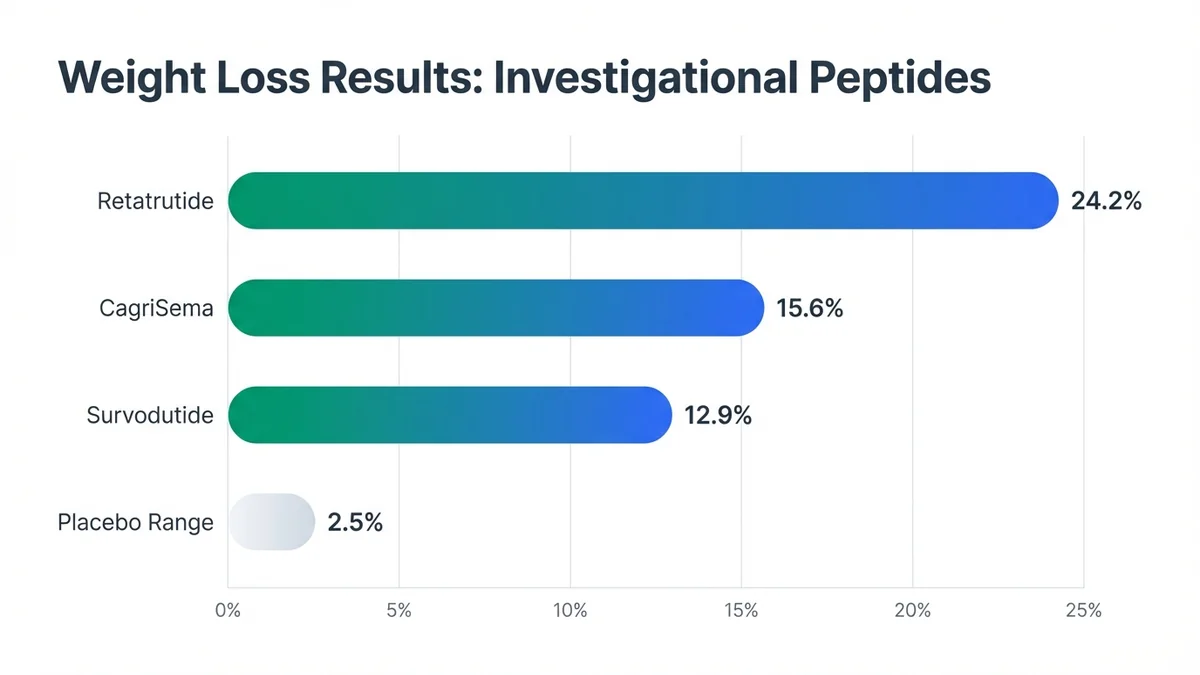
- Off-label peptides like retatrutide are in Phase III trials but lack FDA approval for weight management, with preliminary data showing up to 24.2% weight loss at 48 weeks
- Treatment requires medical supervision: These peptides carry FDA black box warnings for thyroid C-cell tumors and require screening for medullary thyroid carcinoma (MTC) and Multiple Endocrine Neoplasia syndrome type 2 (MEN 2)
- Cost ranges from $800-1,500 monthly for brand-name formulations, with compounded versions available at specialized peptide therapy clinics
- Contraindications include: Personal or family history of MTC, MEN 2, severe gastroparesis, or diabetic ketoacidosis
Understanding Weight Loss
Obesity affects 36.2% of US adults according to CDC data from 2017-2018, with Class III obesity (BMI ≥40 kg/m²) affecting 9.2% of the population. The condition increases risk for type 2 diabetes by 20-fold, cardiovascular disease by 2-3 fold, and certain cancers by 10-40% depending on the specific malignancy (PMID: 28893506).
Current standard-of-care treatments include lifestyle interventions (diet and exercise), FDA-approved medications like orlistat and phentermine-topiramate, and bariatric surgery for patients with BMI ≥35 kg/m² with comorbidities or BMI ≥40 kg/m². However, lifestyle interventions alone achieve only 3-5% sustained weight loss at 12 months, while traditional weight-loss medications typically produce 5-10% reduction in body weight (PMID: 32109013).
Patients are increasingly exploring peptide therapy for weight loss because GLP-1 receptor agonists and dual-receptor agonists demonstrate superior efficacy compared to conventional approaches. These peptides target multiple pathways involved in appetite regulation, gastric emptying, and glucose homeostasis, addressing the complex pathophysiology of obesity at the molecular level.
The ideal weight-loss treatment addresses both central appetite control through hypothalamic GLP-1 receptors and peripheral mechanisms including delayed gastric emptying, enhanced insulin sensitivity, and improved beta-cell function. Modern peptide therapies achieve these effects through selective receptor binding with half-lives ranging from 13 hours (liraglutide) to 165 hours (tirzepatide).
FDA-Approved Peptide Options for Weight Loss
Semaglutide (Wegovy)
The FDA approved semaglutide 2.4mg subcutaneous injection for chronic weight management on June 4, 2021, under the brand name Wegovy. The indication specifies use "as an adjunct to a reduced calorie diet and increased physical activity for chronic weight management in adults with an initial BMI of 30 kg/m² or greater, or 27 kg/m² or greater in the presence of at least one weight-related comorbid condition."
Tirzepatide demonstrates superior weight loss efficacy compared to other FDA-approved peptide therapies in clinical trials.
The pivotal STEP 1 trial (NCT03548935) enrolled 1,961 adults without diabetes, randomizing participants 2:1 to semaglutide 2.4mg weekly or placebo for 68 weeks. The primary endpoint showed 14.9% mean weight loss with semaglutide versus 2.4% with placebo (p<0.001). Additionally, 83.5% of semaglutide-treated patients achieved ≥5% weight loss compared to 31.1% receiving placebo.
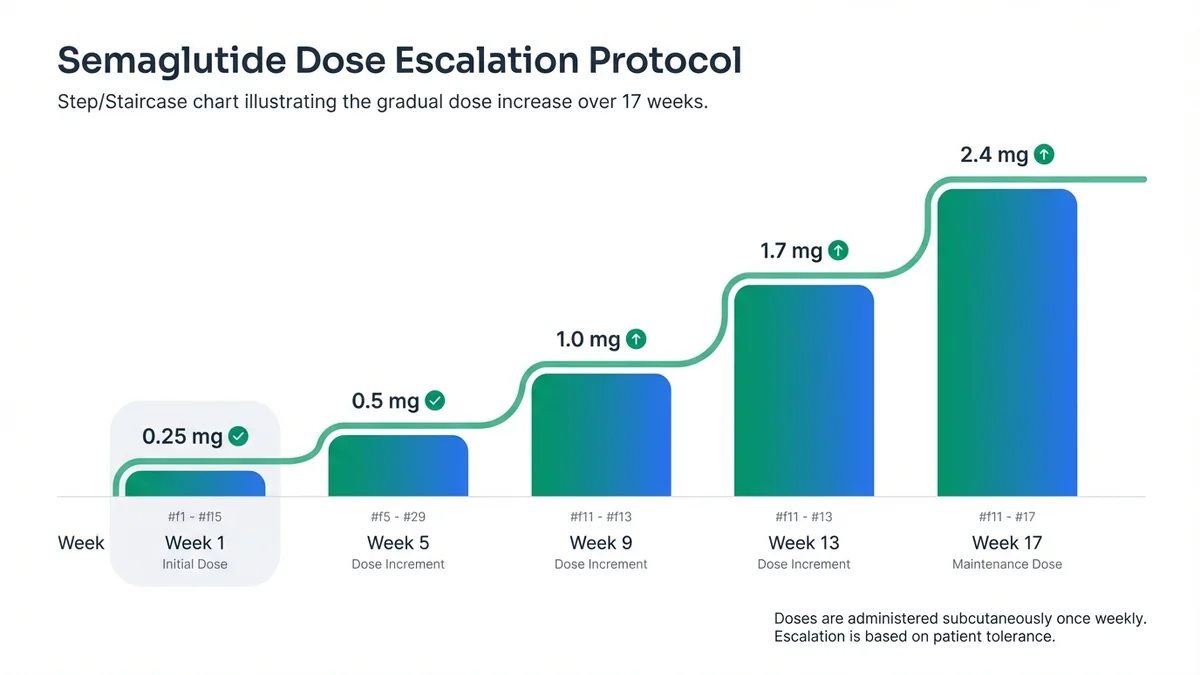
Semaglutide requires a 16-week dose escalation protocol to minimize gastrointestinal side effects.
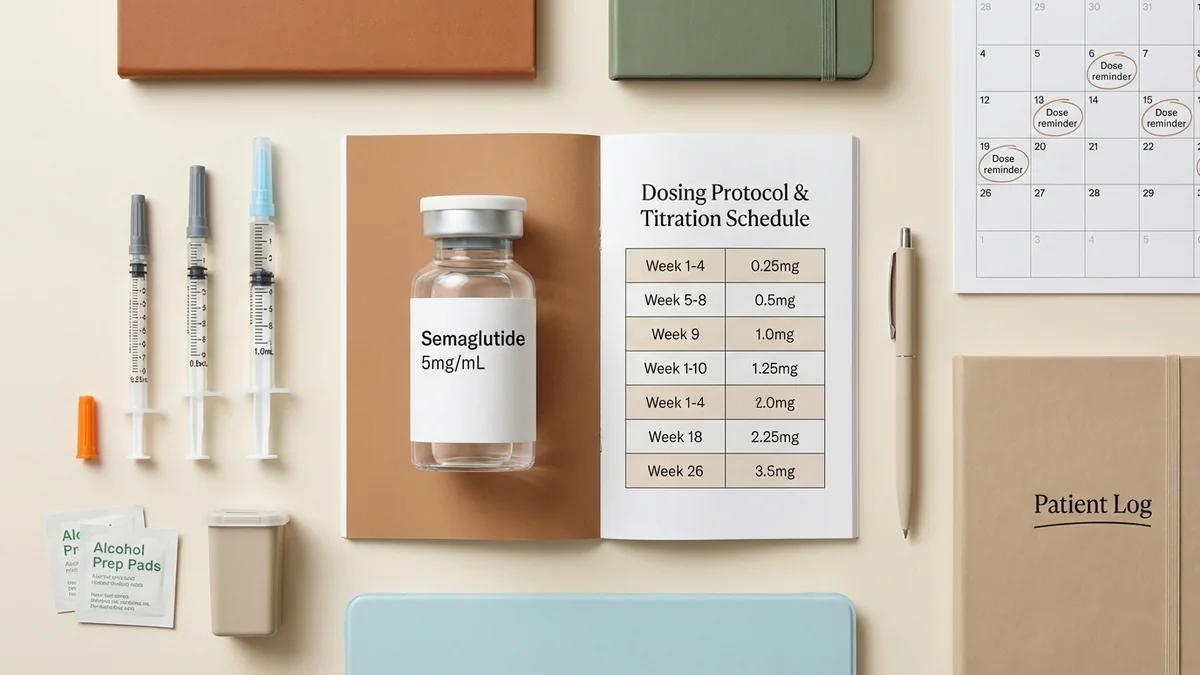
Dosing follows a 16-week escalation protocol: 0.25mg weekly for 4 weeks, 0.5mg weekly for 4 weeks, 1.0mg weekly for 4 weeks, 1.7mg weekly for 4 weeks, then maintenance at 2.4mg weekly. Each dose is administered subcutaneously in the abdomen, thigh, or upper arm, rotating injection sites to minimize lipodystrophy risk.
Tirzepatide (Zepbound)
Tirzepatide received FDA approval for chronic weight management on November 8, 2023, marketed as Zepbound. This dual glucose-dependent insulinotropic polypeptide (GIP) and GLP-1 receptor agonist demonstrated superior weight loss compared to semaglutide in head-to-head trials.
The SURMOUNT-1 trial (NCT04184622) enrolled 2,539 adults without diabetes, comparing tirzepatide doses (5mg, 10mg, 15mg weekly) to placebo over 72 weeks. The highest dose achieved 22.5% mean weight loss versus 2.4% with placebo, with 91% of patients losing ≥5% body weight and 57% achieving ≥20% reduction.
Tirzepatide follows a 20-week escalation protocol with optional dose increases based on efficacy and tolerability.
Tirzepatide's mechanism involves dual receptor activation: GIP receptors in pancreatic beta cells and adipose tissue, plus GLP-1 receptors in the brain, pancreas, and GI tract. This dual pathway produces enhanced insulin secretion, improved insulin sensitivity, and greater appetite suppression compared to GLP-1 monotherapy.
The dosing schedule spans 20 weeks: 2.5mg weekly for 4 weeks, 5mg weekly for 4 weeks, then optional escalation to 7.5mg, 10mg, 12.5mg, and finally 15mg weekly based on efficacy and tolerability. The molecular weight is 4,813 daltons with a half-life of approximately 5 days.
Liraglutide (Saxenda)
Liraglutide 3.0mg daily injection (Saxenda) was approved December 23, 2014, as the first GLP-1 receptor agonist for chronic weight management. The SCALE Obesity and Prediabetes trial (NCT01272219) demonstrated 8.4% mean weight loss versus 2.8% with placebo at 56 weeks in 3,731 adults without diabetes.
The peptide's 31-amino acid sequence includes a C16 fatty acid side chain that enables albumin binding, extending the half-life to 13 hours compared to native GLP-1's 2-minute half-life. Daily subcutaneous administration is required due to shorter duration of action versus weekly formulations.
Dosing escalates over 5 weeks: 0.6mg daily for week 1, 1.2mg daily for week 2, 1.8mg daily for week 3, 2.4mg daily for week 4, then 3.0mg daily maintenance. Injection timing can be any time of day but should remain consistent, with or without meals.
Peptides Used Off-Label or in Research for Weight Loss
| Peptide | Evidence Level | Key Finding | FDA Status | Link | |---------|---------------|-------------|------------|------| | Retatrutide | Phase III | 24.2% weight loss at 48 weeks (PMID: 37714319) | Investigational | Retatrutide | | CagriSema | Phase II | 15.6% weight loss combining semaglutide + cagrilintide | Investigational | Clinical trials | | Setmelanotide | FDA-approved | 25.6% weight loss in POMC deficiency (rare indication) | Approved for specific genetic obesity | Setmelanotide | | Exenatide | Phase II | 5.1% weight loss at 24 weeks (PMID: 16873779) | Approved for diabetes only | Exenatide |
Retatrutide
Retatrutide represents a triple-receptor agonist targeting GLP-1, GIP, and glucagon receptors simultaneously. The Phase II dose-finding study (NCT04881760) enrolled 338 adults with obesity, demonstrating dose-dependent weight loss ranging from 8.7% with 4mg monthly to 24.2% with 12mg monthly at 48 weeks.
The peptide's unique mechanism includes glucagon receptor activation in the liver, promoting fat oxidation and energy expenditure beyond appetite suppression alone. However, the compound remains investigational with Phase III trials (TRIUMPH program) ongoing through 2027.
CagriSema
This investigational combination pairs semaglutide 2.4mg with cagrilintide 2.4mg, an amylin analog that crosses the blood-brain barrier to enhance satiety signaling. The Phase II trial (NCT04982575) showed 15.6% weight loss at 32 weeks, exceeding semaglutide monotherapy's 8.2% reduction in the same study population.
Cagrilintide's 37-amino acid sequence mimics human amylin but includes modifications for enhanced stability and CNS penetration. The combination approach targets complementary pathways: GLP-1 receptors for glucose regulation and amylin receptors for meal-related satiety.
How Semaglutide Addresses Weight Loss
Semaglutide achieves weight loss through multiple mechanisms involving both central and peripheral pathways. The peptide's 31-amino acid sequence includes an albumin-binding fatty acid chain that extends the half-life to 165 hours, enabling once-weekly dosing for sustained receptor activation.
Central appetite suppression occurs through GLP-1 receptor binding in the hypothalamic arcuate nucleus, specifically targeting pro-opiomelanocortin (POMC) neurons that release α-melanocyte-stimulating hormone (α-MSH). This pathway reduces food intake by 20-35% in clinical trials, with effects beginning within 2-4 weeks of treatment initiation.
Peripheral mechanisms include delayed gastric emptying through vagal GLP-1 receptors, extending meal satiety duration by 2-3 hours compared to baseline. Additionally, semaglutide enhances glucose-dependent insulin secretion while suppressing inappropriate glucagon release, improving postprandial glucose excursions by 40-50mg/dL.
The STEP program encompassed 5 Phase III trials totaling over 4,500 participants, consistently demonstrating 12-17% weight loss across diverse populations including patients with diabetes (STEP 2), those receiving intensive behavioral therapy (STEP 3), and individuals switching from liraglutide 3.0mg (STEP 4). Treatment effects plateau at 60-68 weeks with maintained efficacy through 104 weeks of continuous therapy.
Comparing Treatment Options for Weight Loss
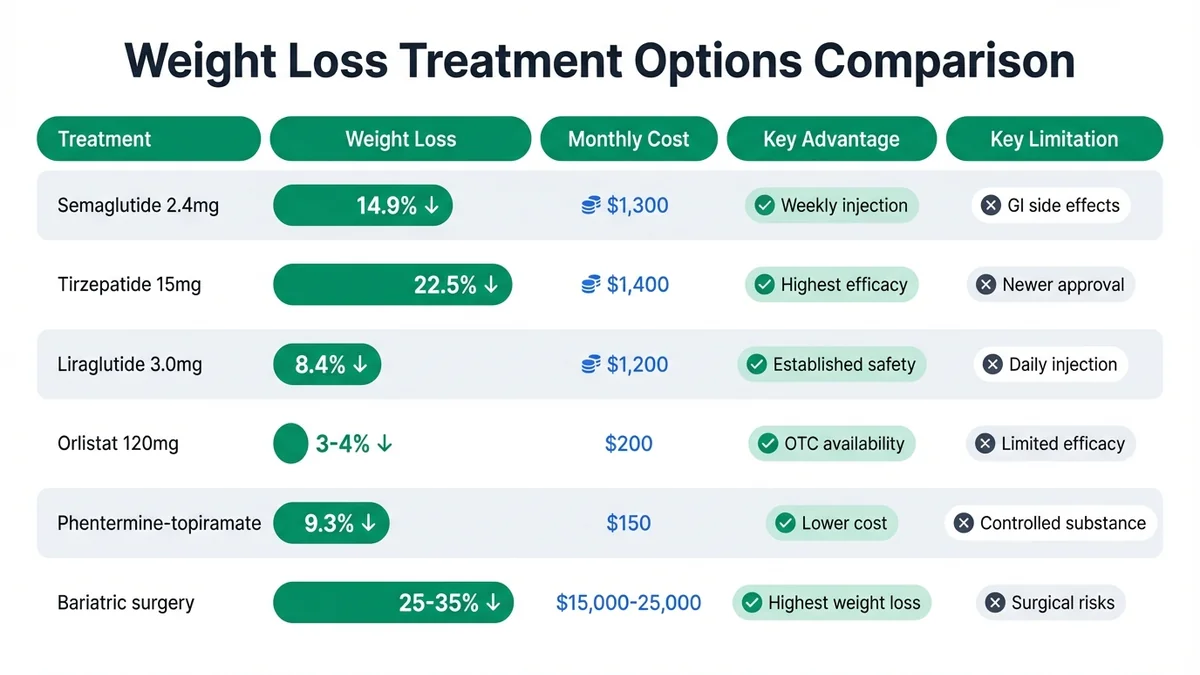
| Treatment | Type | Evidence Level | Typical Cost | Key Advantage | Key Limitation | |-----------|------|---------------|--------------|---------------|----------------| | Semaglutide 2.4mg | GLP-1 agonist | FDA-approved | $1,300-1,500/month | 14.9% weight loss, weekly dosing | Nausea in 44% of patients | | Tirzepatide 15mg | GIP/GLP-1 agonist | FDA-approved | $1,000-1,200/month | 22.5% weight loss, superior efficacy | Limited long-term data | | Liraglutide 3.0mg | GLP-1 agonist | FDA-approved | $1,200-1,400/month | Established safety profile | Daily injections, 8.4% weight loss | | Phentermine-topiramate | Combination oral | FDA-approved | $150-300/month | Oral administration | 10.2% weight loss, controlled substance | | Orlistat | Lipase inhibitor | FDA-approved | $50-100/month | OTC availability | 5.8% weight loss, GI side effects | | Bariatric surgery | Surgical | Evidence-based | $15,000-25,000 | 25-30% weight loss | Surgical risks, irreversible |
Peptide therapies demonstrate superior efficacy compared to traditional weight-loss medications, with semaglutide and tirzepatide producing 2-4 times greater weight reduction than orlistat or phentermine-topiramate combinations. However, the monthly cost ranges from $1,000-1,500 for brand-name formulations, compared to $50-300 for conventional medications.
Peptide therapies demonstrate superior efficacy but higher costs compared to traditional weight-loss medications.
Bariatric surgery remains the most effective intervention for severe obesity, producing 25-30% weight loss that typically maintains at 20-25% reduction long-term. However, surgical procedures carry perioperative mortality risk of 0.1-0.3% and require lifelong nutritional monitoring for deficiencies in vitamin B12, iron, and fat-soluble vitamins.
What Treatment Looks Like in Practice
Initial consultation at specialized peptide therapy clinics includes comprehensive medical history focusing on previous weight-loss attempts, current medications, and screening for contraindications. Providers assess BMI, waist circumference, blood pressure, and laboratory values including HbA1c, lipid panel, and thyroid function tests.
Treatment protocol begins with baseline measurements and patient education on injection technique using 4mm or 6mm needles for subcutaneous administration. Most clinics provide injection training with saline practice doses, emphasizing proper needle insertion angle (90 degrees) and site rotation between abdomen, thigh, and upper arm locations.
Timeline to results varies by peptide and individual factors, with initial appetite suppression typically occurring within 1-2 weeks of treatment initiation. Measurable weight loss (≥5% reduction) occurs in 68-83% of patients by 12-16 weeks, with peak efficacy reached at 60-68 weeks of continuous therapy.
Follow-up appointments occur every 4 weeks during dose escalation, then every 8-12 weeks during maintenance therapy. Monitoring includes weight, blood pressure, heart rate, and symptom assessment for gastrointestinal adverse events. Laboratory monitoring every 6 months includes HbA1c, comprehensive metabolic panel, and lipid profile.
Treatment duration typically continues indefinitely, as discontinuation results in weight regain averaging 11.6% within 52 weeks according to the STEP 1 extension study (NCT03548987). Some patients achieve sufficient lifestyle modification to maintain weight loss with reduced dosing or intermittent therapy schedules.
What to Ask Your Doctor
What evidence supports peptide therapy for my specific weight-loss goals?
Request specific clinical trial data relevant to your BMI category, diabetes status, and weight-loss targets. Ask about expected percentage weight reduction and timeline based on pivotal trials like STEP 1 or SURMOUNT-1.
How does my medical history affect treatment selection and safety?
Discuss contraindications including family history of medullary thyroid carcinoma, Multiple Endocrine Neoplasia syndrome type 2, severe gastroparesis, or diabetic ketoacidosis. Review current medications for potential interactions.
What monitoring and follow-up will be required during treatment?
Clarify laboratory monitoring schedule, frequency of clinic visits, and specific parameters tracked including weight, blood pressure, HbA1c, and gastrointestinal symptoms.
How do costs compare between different peptide options and formulations?
Compare brand-name versus compounded formulations, insurance coverage options, and total treatment costs including monitoring visits and laboratory tests.
What happens if I experience side effects or want to discontinue treatment?
Understand dose reduction protocols, alternative peptide options, and expected timeline for weight regain if treatment is discontinued.
How does peptide therapy integrate with other weight-management strategies?
Discuss combining peptide treatment with dietary counseling, exercise programs, behavioral therapy, or other FDA-approved weight-loss medications.
What are the long-term effects and duration of treatment?
Review available data on treatment duration, maintenance therapy options, and long-term safety profile based on current clinical experience.
Can peptide therapy help with weight-related health conditions?
Discuss expected improvements in diabetes control, blood pressure, sleep apnea, and cardiovascular risk factors based on clinical trial secondary endpoints.
Finding a Clinic for Weight Loss
Specialized peptide therapy clinics offer comprehensive weight-management programs combining FDA-approved peptides with medical supervision and lifestyle counseling. Use the clinic finder to locate providers experienced in obesity medicine and peptide therapy protocols.
Look for clinics staffed by board-certified physicians in endocrinology, internal medicine, or obesity medicine, with specific training in GLP-1 receptor agonist therapy. Verify that providers offer both brand-name and compounded formulations, allowing flexibility based on insurance coverage and cost considerations.
Many patients benefit from telehealth peptide clinics that provide remote consultation, prescription management, and ongoing monitoring through virtual appointments. These services typically include medication delivery, injection supplies, and 24/7 clinical support for side effect management.
Comprehensive weight-loss treatment programs should include nutritional counseling, exercise planning, behavioral modification support, and coordination with other specialists as needed. Some clinics offer combination therapy protocols using multiple peptides or integrating peptide therapy with other FDA-approved weight-loss interventions.
What the Evidence Does Not Show
Current clinical trials for weight-loss peptides have significant limitations that affect clinical decision-making and patient expectations. Most pivotal studies enrolled predominantly white participants (70-80% in STEP trials), with limited representation of Hispanic (12-20%) and Black (8-12%) populations, potentially limiting generalizability of efficacy and safety findings.
Long-term safety data beyond 2-3 years remains limited for newer agents like tirzepatide, with the longest controlled trial data extending only 88 weeks. The FDA's required Risk Evaluation and Mitigation Strategy (REMS) for thyroid C-cell tumor risk reflects ongoing uncertainty about long-term malignancy potential, particularly in high-risk populations.
Gastrointestinal side effects are the most common adverse events with semaglutide therapy.
Combination therapy data remains sparse, with most studies evaluating single-agent peptide therapy rather than combinations with other weight-loss medications, behavioral interventions, or bariatric procedures. The optimal sequencing and integration of peptide therapy within comprehensive obesity treatment algorithms requires additional research.
Pediatric and adolescent data is extremely limited, with only small pilot studies in patients aged 12-18 years. Most trials excluded patients with severe psychiatric conditions, active substance abuse, or significant cardiovascular disease, limiting evidence in these high-risk populations who might benefit most from effective weight-loss interventions.
Cost-effectiveness analyses comparing peptide therapy to bariatric surgery, intensive lifestyle interventions, or other pharmacological approaches remain incomplete. The economic impact of sustained weight loss through peptide therapy versus alternative treatments requires longer-term health economic studies incorporating healthcare utilization and quality-adjusted life years.
Frequently Asked Questions
Can peptides help with weight loss?
Yes, FDA-approved peptides demonstrate significant weight-loss efficacy in clinical trials. Semaglutide 2.4mg weekly achieved 14.9% average weight loss in the STEP 1 trial (NCT03548935), while tirzepatide 15mg weekly produced 22.5% weight reduction in SURMOUNT-1 (NCT04184622). These results exceed traditional weight-loss medications by 2-4 fold.
Which peptide is best for weight loss?
Tirzepatide currently demonstrates superior weight-loss efficacy, with 22.5% average reduction versus semaglutide's 14.9% in head-to-head comparisons. However, individual response varies based on tolerance, insurance coverage, and cost considerations. Both peptides require medical supervision and carry similar contraindications including family history of medullary thyroid carcinoma.
Is peptide therapy FDA-approved for weight loss?
Three peptides have FDA approval for chronic weight management: semaglutide (Wegovy, approved June 2021), tirzepatide (Zepbound, approved November 2023), and liraglutide (Saxenda, approved December 2014). All require BMI ≥30 kg/m² or BMI ≥27 kg/m² with weight-related comorbidities for appropriate use.
How long does peptide therapy take to work for weight loss?
Initial appetite suppression typically occurs within 1-2 weeks of treatment initiation. Clinically significant weight loss (≥5% body weight reduction) occurs in 68-83% of patients by 12-16 weeks, with peak efficacy reached at 60-68 weeks of continuous therapy. Individual response varies based on baseline BMI, adherence, and lifestyle factors.
What are the risks of using peptides for weight loss?
Common adverse events include nausea (44% with semaglutide), vomiting (24%), diarrhea (30%), and constipation (24%). Serious risks include pancreatitis (0.2% incidence), gallbladder disease (1.6%), and potential thyroid C-cell tumors based on animal studies. FDA black box warnings require screening for medullary thyroid carcinoma and Multiple Endocrine Neoplasia syndrome type 2.
How much does peptide therapy cost for weight loss?
Brand-name formulations cost $1,000-1,500 monthly: Wegovy ($1,300-1,500), Zepbound ($1,000-1,200), and Saxenda ($1,200-1,400). Compounded versions available through specialized clinics typically cost $300-800 monthly. Insurance coverage varies significantly, with some plans covering FDA-approved indications while others exclude weight-loss medications entirely.
Can I combine peptide therapy with other treatments for weight loss?
Peptide therapy can be combined with lifestyle interventions (diet and exercise), behavioral counseling, and some other medications under medical supervision. However, combination with other GLP-1 agonists or insulin secretagogues requires careful monitoring for hypoglycemia. Concurrent use with weight-loss supplements or other prescription medications requires provider approval.
Where can I find a clinic that treats weight loss with peptides?
Use the MyPeptideMatch clinic finder to locate specialized providers in your area. Look for clinics with board-certified physicians experienced in obesity medicine and peptide therapy. Many patients also utilize telehealth peptide services for remote consultation and prescription management, particularly in areas with limited local providers.
What monitoring is required during peptide therapy for weight loss?
Treatment requires regular monitoring including weight and vital signs every 4 weeks during dose escalation, then every 8-12 weeks during maintenance. Laboratory monitoring every 6 months includes HbA1c, comprehensive metabolic panel, and lipid profile. Patients should report gastrointestinal symptoms, signs of pancreatitis (severe abdominal pain), or thyroid nodules immediately.
How do I know if peptide therapy is working for weight loss?
Effective treatment typically produces ≥5% weight loss by 12-16 weeks of therapy. Additional markers include reduced appetite, smaller portion sizes, improved satiety after meals, and better control of food cravings. Providers may discontinue treatment if <5% weight loss occurs by 16 weeks, as continued therapy is unlikely to produce clinically meaningful results.
This content is for informational purposes only and does not constitute medical advice. Consult a licensed healthcare provider before starting any treatment.
Find a Peptide Therapy Clinic Near You
Browse our directory of verified peptide therapy clinics across the United States. Compare providers, read reviews, and request a consultation.
PeptideClinicLocator.com does not provide medical advice. Always consult a qualified healthcare provider before starting any peptide therapy. Regulatory status may change.