
Key Takeaways
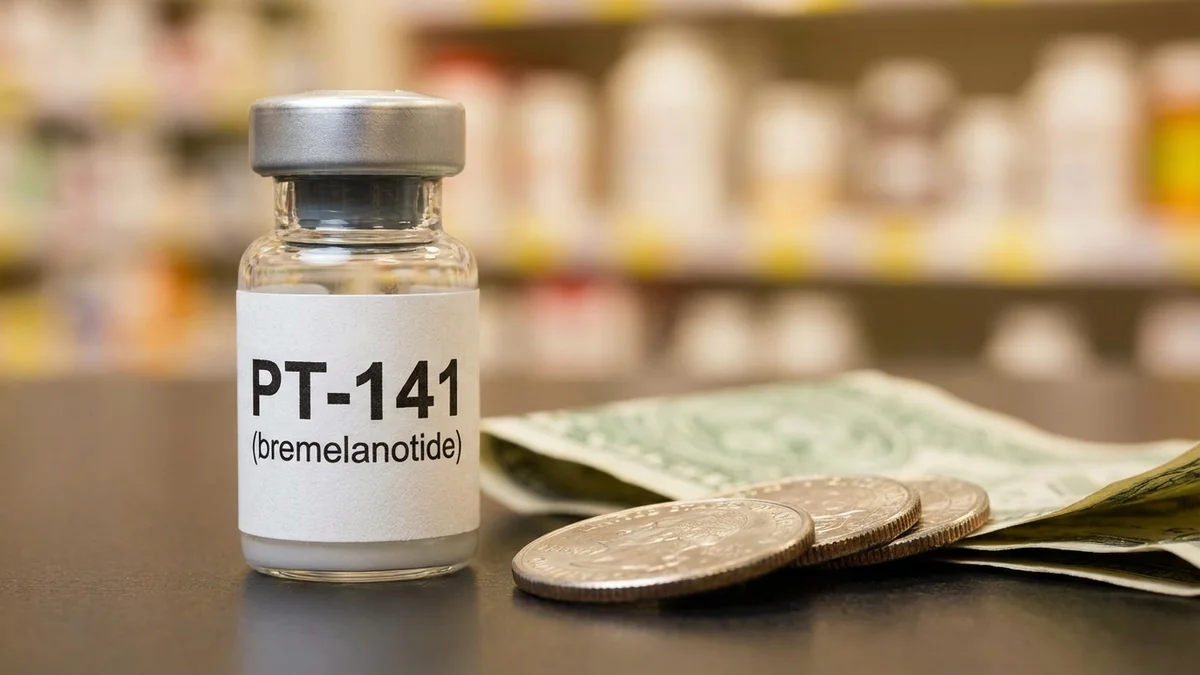
- PT-141 (bremelanotide) is not FDA-approved and is available only for research purposes, significantly affecting pricing and access
- Research-grade PT-141 typically costs $150-$400 per month through specialized research compound suppliers
- Consultation fees with peptide therapy clinics range from $200-$500 for initial evaluations
- Insurance does not cover PT-141 (bremelanotide) costs since it lacks FDA approval for therapeutic use
- HSA/FSA funds cannot be used for research compounds without approved medical indications
- Total monthly costs including consultations and monitoring typically range from $300-$800
What Is PT-141 (bremelanotide)?
PT-141 (bremelanotide) is a synthetic peptide that acts as a melanocortin receptor agonist, particularly targeting the MC4R receptor in central nervous system signaling pathways.[1] Currently, PT-141 is not FDA-approved for therapeutic use and is available only for research purposes, which significantly impacts its cost structure and accessibility compared to approved medications. This research-only status means patients cannot obtain PT-141 through traditional pharmacy channels or insurance coverage. For comprehensive information about this compound's mechanisms and research applications, see our detailed PT-141 (bremelanotide) profile.
PT-141 (bremelanotide) Cost Overview
The cost structure for PT-141 (bremelanotide) differs substantially from FDA-approved medications due to its research-only status. Below is a comprehensive cost breakdown across different categories:
| Cost Category | Low End | High End | Notes |
|---|---|---|---|
| Initial Consultation | $200 | $500 | Varies by clinic specialization |
| Monthly Research Compound | $150 | $400 | Depends on dosage and supplier |
| Baseline Lab Work | $300 | $800 | Comprehensive hormone panel |
| Follow-up Consultations | $100 | $250 | Quarterly monitoring visits |
| Monthly Program (All-Inclusive) | $400 | $800 | Includes consultation and compound |
These costs reflect the specialized nature of research peptide therapy and the limited number of providers offering guidance with investigational compounds.
Detailed Cost Breakdown
Research Compound Pricing
Since PT-141 (bremelanotide) lacks FDA approval, it cannot be prescribed as a traditional medication. Research-grade PT-141 is available through specialized peptide research suppliers at costs ranging from $150-$400 per month.[2] The price variation depends on several factors:
- Dosage requirements: Higher doses increase monthly costs proportionally
- Purity specifications: Research-grade compounds with >98% purity command premium pricing
- Supplier reputation: Established suppliers with third-party testing typically charge 20-30% more
- Order volume: Bulk purchases often reduce per-dose costs by 15-25%
Most suppliers offer PT-141 in lyophilized powder form requiring reconstitution with bacteriostatic water, which adds approximately $20-$30 monthly for reconstitution supplies.
Consultation and Program Fees
Peptide therapy clinics specializing in research compounds typically charge structured consultation fees:
Initial Consultations: Range from $200-$500 and include comprehensive health assessments, hormone evaluations, and treatment planning. Clinics with board-certified endocrinologists or anti-aging specialists often charge at the higher end of this range.
Follow-up Visits: Cost $100-$250 per session, typically scheduled every 4-6 weeks during initial treatment phases. These visits monitor response, adjust dosing protocols, and assess side effects.
All-Inclusive Programs: Some clinics offer comprehensive monthly programs ranging from $400-$800 that include consultation time, compound sourcing, and ongoing monitoring. These programs often provide better value for patients requiring extensive support.
Laboratory Work Requirements
Comprehensive lab work is essential before initiating PT-141 therapy and costs vary significantly based on testing scope:
Baseline Testing: Initial lab panels cost $300-$800 and typically include:
- Complete metabolic panel (CMP): $45-$80
- Comprehensive hormone panel: $200-$400
- Cardiovascular risk markers: $100-$200
- Liver function tests: $50-$100
Monitoring Labs: Follow-up testing every 3-6 months costs $150-$400, focusing on hormone levels and metabolic markers to assess treatment response and safety.
Most peptide therapy clinics work with specialized laboratories offering discounted rates, reducing costs by 30-40% compared to standard commercial lab pricing.
Insurance Coverage Analysis
PT-141 (bremelanotide) receives no insurance coverage from major carriers due to its research-only FDA status. This differs significantly from approved peptide therapies like semaglutide or tirzepatide, which have established coverage pathways.
Major Insurance Carriers: Aetna, Blue Cross Blue Shield, Cigna, Humana, and UnitedHealthcare all explicitly exclude coverage for investigational compounds without FDA approval.[3]
Medicare and Medicaid: Federal programs do not cover research compounds, as coverage requires FDA approval for specific medical indications.
Appeals Process: Standard insurance appeals are ineffective for research compounds since coverage exclusions are based on regulatory status rather than medical necessity determinations.
Lab Work Coverage: While insurance typically covers baseline hormone testing when medically indicated, monitoring labs specifically for research peptide therapy may face coverage denials.
HSA/FSA Eligibility
Health Savings Account (HSA) and Flexible Spending Account (FSA) funds cannot be used for PT-141 (bremelanotide) costs due to IRS regulations requiring FDA approval for medical expense qualification.[4]
IRS Requirements: Medical expenses must treat diagnosed medical conditions with approved therapies. Research compounds do not meet these criteria regardless of potential therapeutic benefits.
Documentation Challenges: Even with physician letters of medical necessity, HSA/FSA administrators typically deny reimbursement for investigational treatments.
Alternative Strategies: Some patients use HSA/FSA funds for related medical expenses like consultation fees or lab work when properly documented as diagnostic services.
Telehealth vs. In-Person Pricing
The specialized nature of peptide therapy has created distinct pricing models between delivery methods:
Telehealth Programs: Monthly costs range from $300-$600 and typically include:
- Virtual consultations with specialized providers
- Compound sourcing and shipping
- Digital monitoring tools and support
- Access to educational resources
In-Person Clinics: Traditional clinic-based care costs $400-$800 monthly and offers:
- Face-to-face consultations with specialized physicians
- On-site lab draw services
- Direct compound dispensing
- Immediate access for urgent concerns
Telehealth programs often provide cost advantages through reduced overhead, while in-person clinics offer more comprehensive monitoring and immediate intervention capabilities. For comprehensive provider options, visit our telehealth peptide clinics directory.
Ways to Reduce PT-141 (bremelanotide) Cost
Several strategies can significantly reduce PT-141 therapy expenses:
Research Supplier Comparison: Prices vary 40-60% between suppliers. Comparing options from established research chemical companies can yield substantial savings while maintaining quality standards.
Bulk Purchasing: Ordering 3-6 month supplies reduces per-dose costs by 15-25% through volume discounts, though this requires proper storage capabilities.
Dosage Optimization: Working with experienced providers to identify minimum effective doses can reduce monthly compound costs by 20-40% while maintaining therapeutic benefits.
Lab Work Optimization: Using insurance-covered baseline testing when medically appropriate and spacing monitoring labs appropriately prevents unnecessary expenses.
Clinic Program Comparison: All-inclusive programs may offer better value than à la carte pricing for patients requiring extensive consultation and monitoring.
Clinical Trial Participation: Research institutions occasionally offer free access to investigational compounds through clinical trials, though availability is limited.