
Key Takeaways
- Semaglutide, a GLP-1 receptor agonist, is FDA-approved for weight loss and type 2 diabetes management.
- Clinical trials, such as SUSTAIN and STEP, show significant weight loss, with some patients achieving up to 15% body weight reduction.
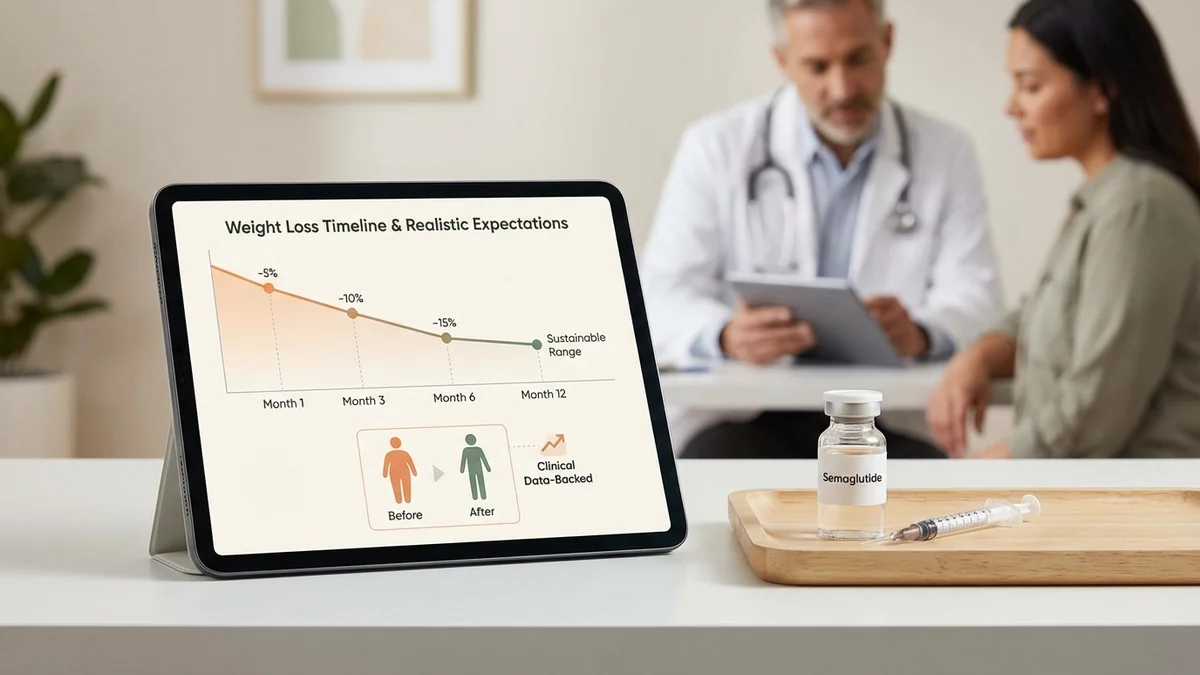
- Results may be noticeable within a few weeks, with more substantial changes observed by 6 months.
- Factors like dosing compliance, lifestyle changes, and individual variability significantly affect outcomes.
- Long-term data on semaglutide's effects is still evolving, with ongoing studies addressing these gaps.
What Is Semaglutide?
Semaglutide is a glucagon-like peptide-1 (GLP-1) receptor agonist primarily used for weight loss and type 2 diabetes management. It is administered via subcutaneous injection, typically on a weekly basis. The peptide acts by mimicking the incretin hormones that increase insulin secretion, thereby aiding in glucose regulation and promoting satiety. For more detailed information, visit the semaglutide profile.
What Clinical Trials Show
Semaglutide's efficacy has been extensively studied in clinical trials. The STEP 1 trial (NCT03548935), for example, demonstrated that participants receiving semaglutide lost an average of 14.9% of their body weight over 68 weeks compared to a 2.4% loss in the placebo group. In the SUSTAIN trials, which focused on diabetes management, semaglutide also showed significant weight reduction alongside improved glycemic control (PMID 26308095).
A comparative study published in JAMA Internal Medicine (PMID 38976257) highlighted semaglutide's effectiveness, although direct head-to-head comparisons with other GLP-1 receptor agonists like tirzepatide are still emerging (PMID 34170647). These trials underscore semaglutide's role as a potent agent for weight management in clinical settings.
Realistic Timeline
Patients often begin to notice changes within the first 4 to 6 weeks of treatment. Initial effects may include reduced appetite and slight weight loss. By three months, many patients experience more noticeable weight reduction, often around 5-10% of their initial body weight. Clinical data suggests that by six months, significant results are typically observed, with some patients achieving up to 15% weight loss (PMID 34305810).
Factors That Affect Results
Several factors influence the outcomes of semaglutide therapy. Dosing compliance is crucial; missing doses can significantly attenuate the therapeutic effects. Concurrent lifestyle modifications, such as a balanced diet and regular physical activity, enhance weight loss outcomes. Individual variations, including metabolic rate and genetic predispositions, also play a role. Underlying conditions and concurrent medications might affect semaglutide's efficacy and safety profile.
What Results Look Like in Practice
In practice, semaglutide can provide meaningful weight loss for many patients. Clinical data suggests a consistent reduction in body weight when combined with lifestyle changes. Patients often report feeling fuller sooner and experiencing decreased cravings. However, it's essential to manage expectations, as individual results can vary widely. Many patients in trials experienced significant improvements in metabolic markers, including lower HbA1c levels and reduced waist circumference, contributing to overall health improvements (PMID 26308095).