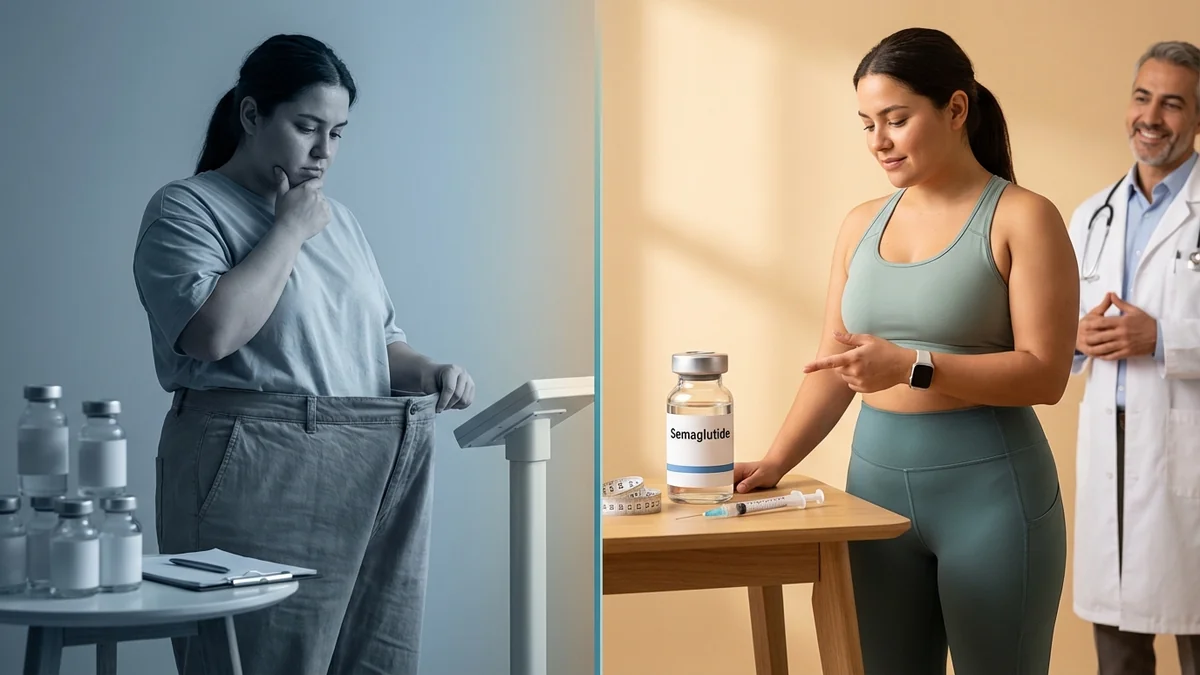

Key Takeaways
- Semaglutide is an FDA-approved GLP-1 receptor agonist for weight loss and type 2 diabetes.
- Clinical trials report an average weight loss of approximately 15% of body weight over 68 weeks.
- Patients often begin to notice weight loss within the first month, with significant changes by 3 months.
- Results can vary based on dosing compliance, diet, exercise, and individual health conditions.
- Semaglutide may not be effective for everyone; some patients may not respond due to various factors.
What Is Semaglutide?
Semaglutide is a glucagon-like peptide-1 (GLP-1) receptor agonist that is FDA-approved for the treatment of type 2 diabetes and weight management. It functions by mimicking the GLP-1 hormone, which increases insulin secretion, decreases glucagon levels, and slows gastric emptying, thus promoting satiety. The molecule's CAS number is 910463-68-2, with a molecular weight of 4113.58 g/mol. It is administered via subcutaneous injection, typically once weekly.
What Clinical Trials Show
The STEP 1 trial (NCT03548935) demonstrated that semaglutide can lead to significant weight loss in individuals with obesity. Participants receiving semaglutide 2.4 mg weekly lost an average of 14.9% of their body weight compared to 2.4% in the placebo group over 68 weeks (PMID 26308095). In the SUSTAIN trial series, semaglutide showed improved glycemic control and weight reduction in patients with type 2 diabetes, with similar weight loss percentages (PMID 34305810).
Realistic Timeline
Patients may begin to notice weight loss as early as 4 weeks into semaglutide therapy. By 3 months, many report significant changes, with clinical trials showing continued weight loss up to 68 weeks. The full therapeutic effect is typically observed around 6 months, with some individuals experiencing continued gradual weight loss thereafter (PMID 34305810).
Factors That Affect Results
Several factors influence the effectiveness of semaglutide therapy:
- Dosing Compliance: Consistent weekly administration is crucial for optimal results.
- Diet and Exercise: A calorie-controlled diet and regular physical activity enhance weight loss outcomes.
- Underlying Conditions: Conditions such as hypothyroidism or polycystic ovary syndrome (PCOS) can affect weight loss rates.
- Concurrent Medications: Some medications may interfere with semaglutide's effectiveness.
- Individual Variation: Genetic and metabolic differences can lead to variability in response.
What Results Look Like in Practice
In clinical settings, many patients report a gradual decrease in appetite and subsequent weight loss. The STEP 1 trial noted that approximately 69% of participants achieved a weight loss of 10% or more. However, individual experiences can vary, and not all patients will achieve the same degree of weight loss (PMID 26308095).