Key Takeaways
- TB-500 (Thymosin Beta-4) is not FDA-approved and is available for research purposes only.
- Typical dosing is not standardized, but research protocols often use subcutaneous injections.
- Titration schedules are crucial for optimizing efficacy and minimizing side effects.
- Dosing must be tailored to individual factors such as body weight and treatment goals.
- Medical supervision is essential due to the peptide's research-only status.
What Is TB-500 (Thymosin Beta-4)?
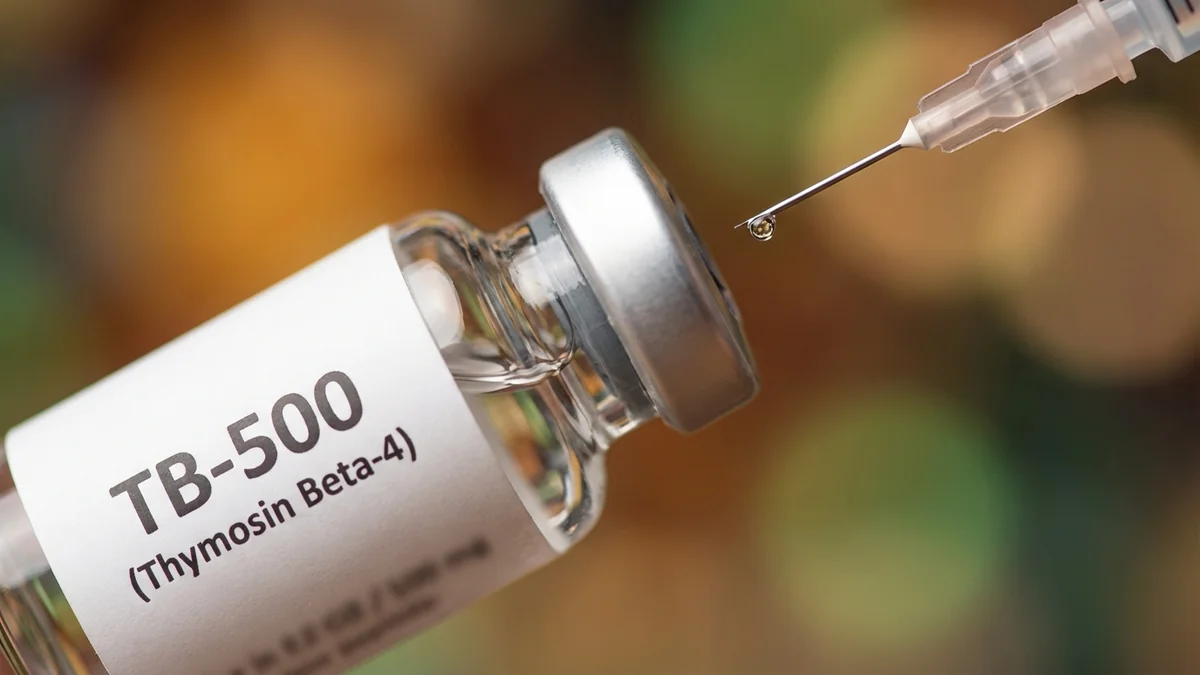
TB-500, or Thymosin Beta-4, is a synthetic peptide that mimics a naturally occurring protein involved in wound repair and tissue regeneration. It plays a role in cytoskeletal organization and cellular migration by modulating the β-actin/G-actin cycle. For a comprehensive overview, visit the full profile.
Standard Dosing Protocols
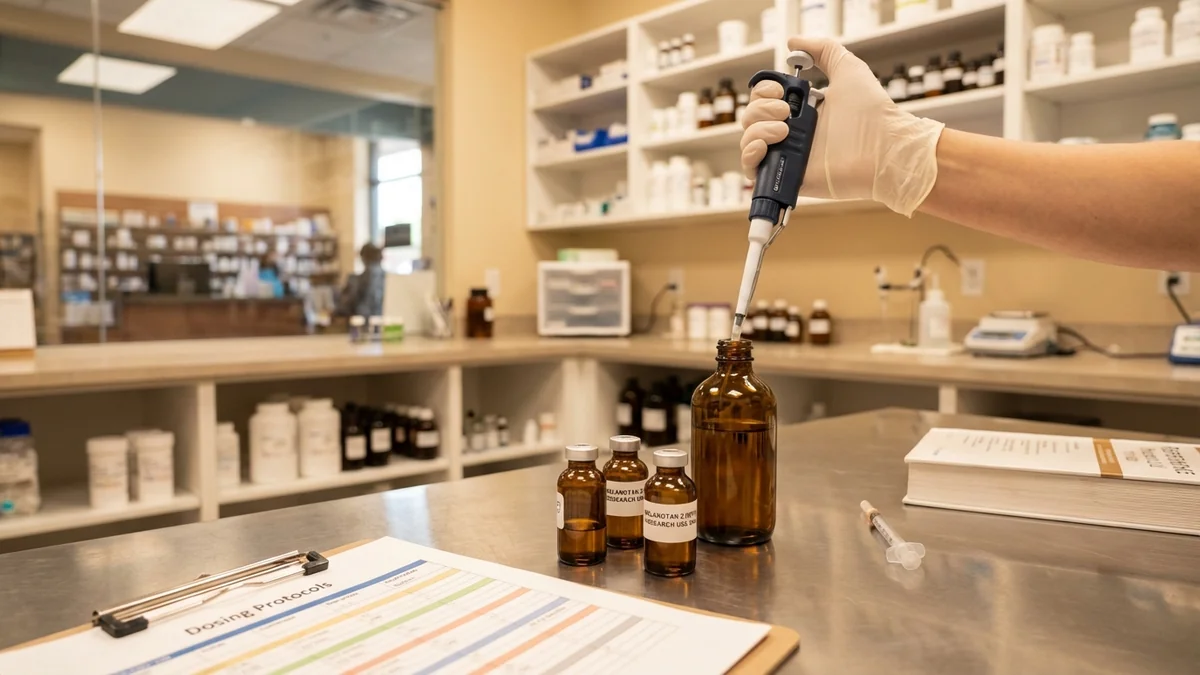
TB-500 is not FDA-approved for any medical use and is strictly available for research purposes. Consequently, there is no standardized dosing regimen. Research protocols typically involve subcutaneous injections, with dosing often ranging from 2 mg to 5 mg per week, divided into multiple administrations. These figures are derived from preclinical studies and anecdotal reports (PMID 22962027, PMID 23084823).
Titration Schedules
Titration is a critical component of TB-500 administration to enhance tolerability and efficacy. Initial dosing often starts at the lower end of the spectrum, such as 2 mg per week, and may be gradually increased based on the patient's response and any adverse effects. This approach helps to mitigate potential side effects and allows for adjustments tailored to individual patient needs.
Administration Method
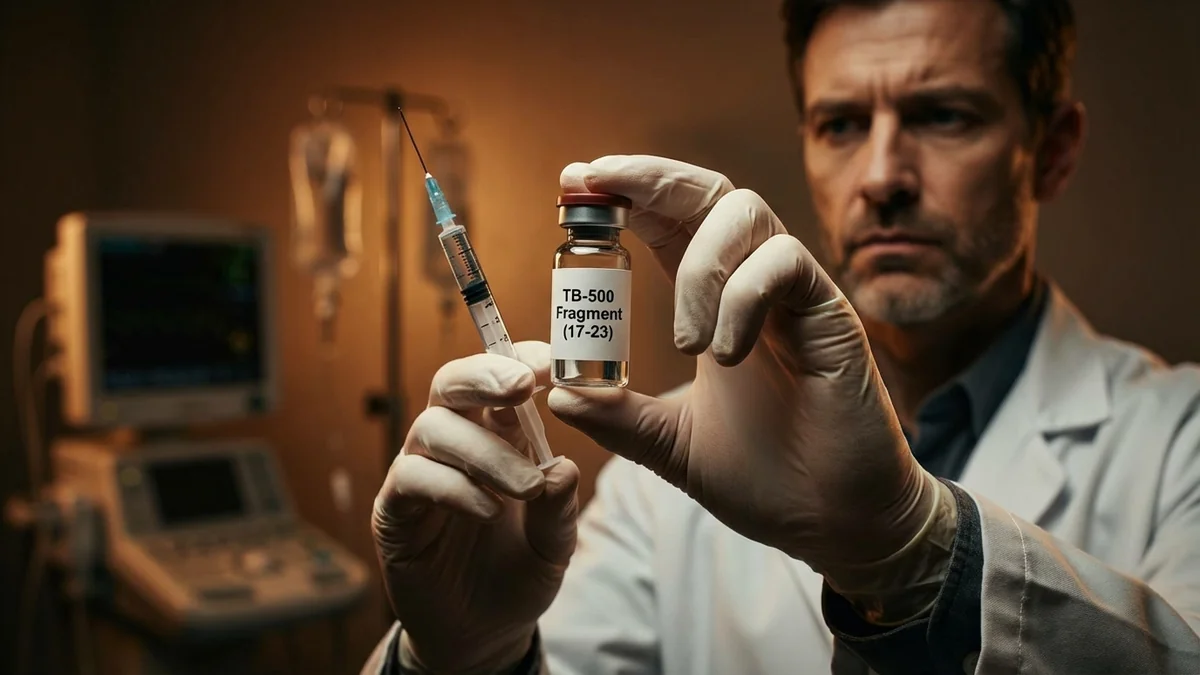
TB-500 is administered via subcutaneous injection. Common injection sites include the abdomen, thigh, and upper arm. It is essential to rotate injection sites to prevent tissue irritation. A 29-31 gauge insulin syringe is typically used for administration. TB-500 is supplied as a lyophilized powder and requires reconstitution with bacteriostatic water before use. Proper storage in a refrigerator is necessary to maintain peptide stability.
Factors That Affect Dosing
Several factors influence TB-500 dosing, including body weight, treatment objectives, and concurrent medications. Providers may adjust dosing based on these variables to optimize therapeutic outcomes. Additionally, liver and kidney function can impact peptide metabolism and clearance, necessitating careful monitoring and potential dose adjustments.
What Happens If You Miss a Dose
If a dose of TB-500 is missed, it should be administered as soon as remembered unless it is close to the time of the next scheduled dose. In such cases, the missed dose should be skipped to avoid double dosing. Consistency in administration enhances the peptide's efficacy and reduces the risk of side effects.
Dosing Compared to Similar Peptides
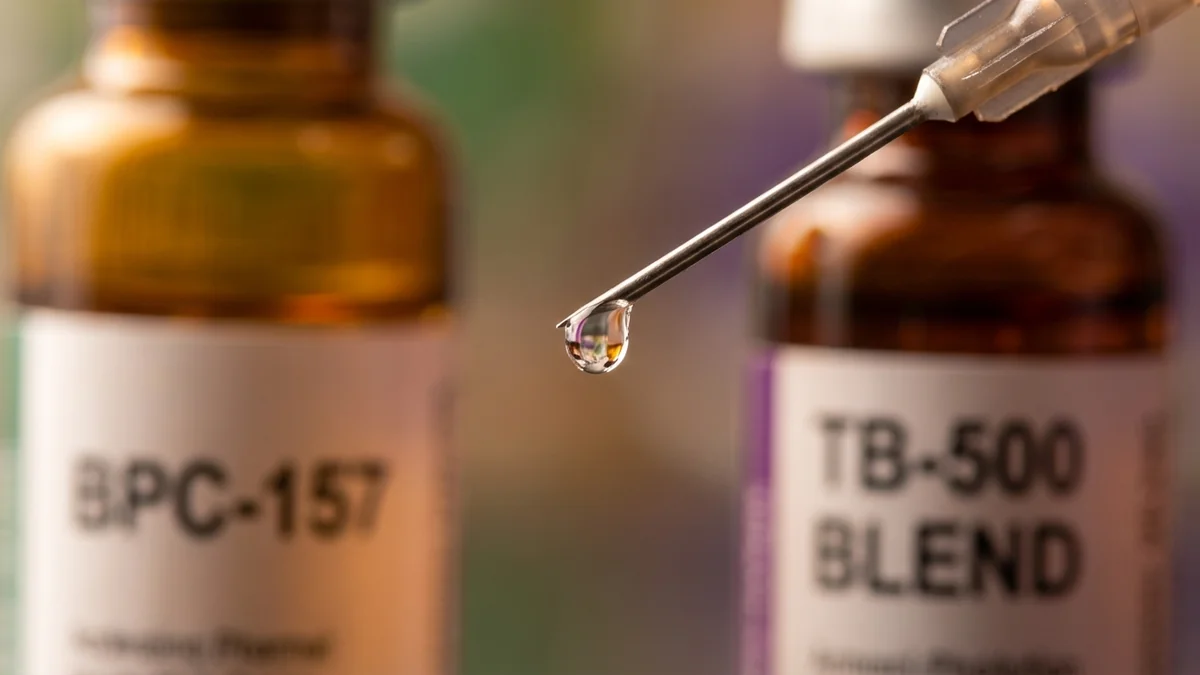
Compared to other peptides like BPC-157, which is also used for tissue repair, TB-500 dosing is generally higher due to its distinct mechanism of action and peptide sequence. BPC-157 typically involves lower doses, often around 200-500 mcg per day, reflecting its different pharmacodynamics and clinical applications.
What the Evidence Does Not Show
Current research on TB-500 is limited, with most data derived from preclinical studies and anecdotal reports. Long-term safety and efficacy remain unconfirmed, and there is no robust evidence supporting its use in humans outside of controlled research settings. Further studies are necessary to establish comprehensive dosing guidelines and safety profiles.
FAQ
Q: Is TB-500 dosing the same for all patients?
A: No, dosing is tailored based on individual factors such as body weight, treatment goals, and concurrent health conditions.
Q: Can TB-500 be taken orally?
A: No, TB-500 is administered via subcutaneous injection as it is not bioavailable orally.
Q: Are there any known interactions with medications?
A: While specific interactions are not well-documented, it is important to consult a healthcare provider to evaluate potential interactions with other medications.
Q: How should TB-500 be stored?
A: TB-500 should be stored in a refrigerator to maintain stability, especially after reconstitution with bacteriostatic water.
Q: Is TB-500 safe for long-term use?
A: The long-term safety of TB-500 is unknown, as current research is limited to short-term studies and preclinical data.
Medical Disclaimer
This content is for informational purposes only and does not constitute medical advice. Consult a licensed healthcare provider before starting any treatment.