Key Takeaways
- Tirzepatide is FDA-approved for weight loss and type 2 diabetes management.
- Clinical trials show significant weight reduction, with many patients achieving over 20% body weight loss.
- Results can vary based on dosing compliance, lifestyle factors, and individual metabolic responses.
- Initial effects are often noticed within the first month, with more pronounced changes by three to six months.
- Not all patients respond to Tirzepatide; alternative treatments may be necessary for some.
What Is Tirzepatide?
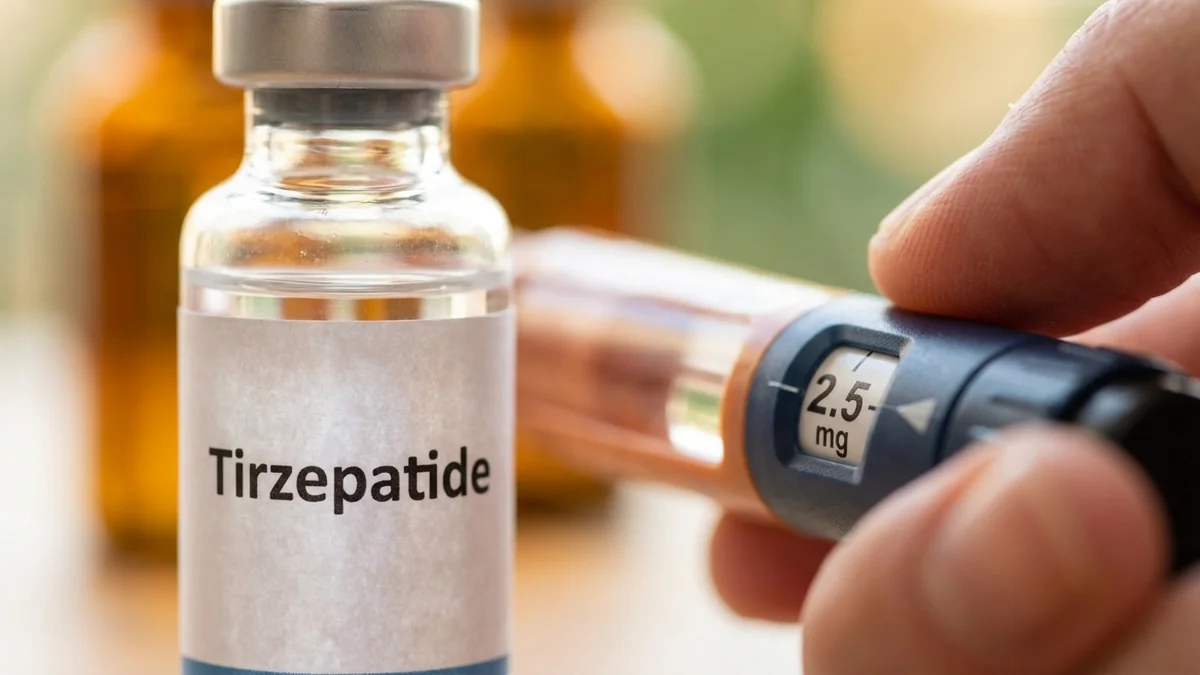
Tirzepatide is a dual agonist of the glucose-dependent insulinotropic polypeptide (GIP) and glucagon-like peptide-1 (GLP-1) receptors. It is administered via subcutaneous injection and is FDA-approved for the treatment of obesity and type 2 diabetes. For more detailed information, visit the full profile.
What Clinical Trials Show
Clinical trials, such as the SURMOUNT-4 study (PMID 38078870), have demonstrated that Tirzepatide can lead to substantial weight loss. In this trial, a significant percentage of participants achieved over 20% reduction in body weight. Another study (PMID 38912654) explored its potential benefits for obstructive sleep apnea, highlighting the multifaceted health improvements associated with weight loss.
Realistic Timeline
Patients often begin to notice changes within the first month of treatment. Initial effects might include reduced appetite and mild weight loss. By the three-month mark, many patients report more visible changes in body composition. At six months, a significant proportion of patients have achieved notable weight loss, with some clinical trials showing maintenance of these results with continued treatment (PMID 38078870).
Factors That Affect Results
The effectiveness of Tirzepatide can be influenced by several factors:
- Dosing Compliance: Adhering to the prescribed dosing schedule is crucial for optimal results.
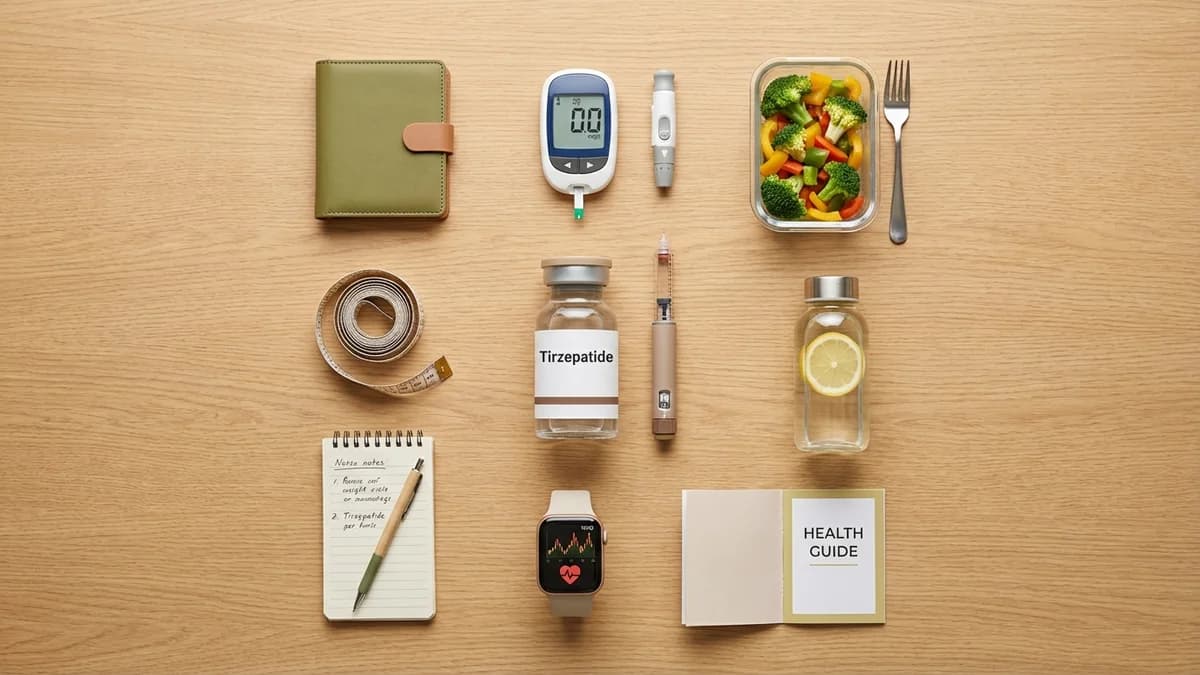
- Diet and Exercise: Incorporating a balanced diet and regular physical activity can enhance the outcomes.
- Underlying Conditions: Conditions such as metabolic syndrome or hormonal imbalances can affect response.
- Concurrent Medications: Some medications may interact with Tirzepatide, altering its efficacy (PMID 37940101).
- Individual Variation: Genetic and metabolic differences can lead to varied responses among patients.
What Results Look Like in Practice
In practice, many patients report significant weight loss and improved glycemic control. Clinical data suggests that Tirzepatide can lead to reductions in hemoglobin A1c levels, an important marker for diabetes management. However, individual experiences can vary, and not all patients may achieve the same degree of results.