Key Takeaways
- Tirzepatide is FDA-approved for weight loss and type 2 diabetes, administered via subcutaneous injection.
- Standard dosing begins at 2.5 mg weekly, with titration every four weeks to a maximum of 15 mg.
- Titration is crucial for minimizing gastrointestinal side effects and optimizing efficacy.
- Medical supervision is essential to adjust dosing based on individual factors like body weight and concurrent medications.
What Is Tirzepatide?
Tirzepatide is a dual glucose-dependent insulinotropic polypeptide (GIP) and glucagon-like peptide-1 (GLP-1) receptor agonist approved by the FDA for managing type 2 diabetes and obesity. It works by enhancing insulin secretion and reducing appetite, leading to significant weight loss. For more details, visit our tirzepatide profile.
Standard Dosing Protocols
Tirzepatide's FDA-approved dosing regimen begins with a starting dose of 2.5 mg administered once weekly. This dose is primarily for initiation and is not expected to have therapeutic effects. After four weeks, the dose is increased to 5 mg once weekly, with further increments of 2.5 mg every four weeks based on tolerability, up to a maximum of 15 mg weekly. This information is sourced from the drug's prescribing information (FDA).
Titration Schedules
Titration schedules are designed to help patients tolerate the drug's gastrointestinal side effects, such as nausea and vomiting. The gradual increase in dosage allows the body to adjust, thus improving overall treatment adherence and efficacy. Clinical trials, such as the SURMOUNT-4 trial (PMID 38078870), support this titration approach, demonstrating its effectiveness in maintaining weight loss over time.
Administration Method
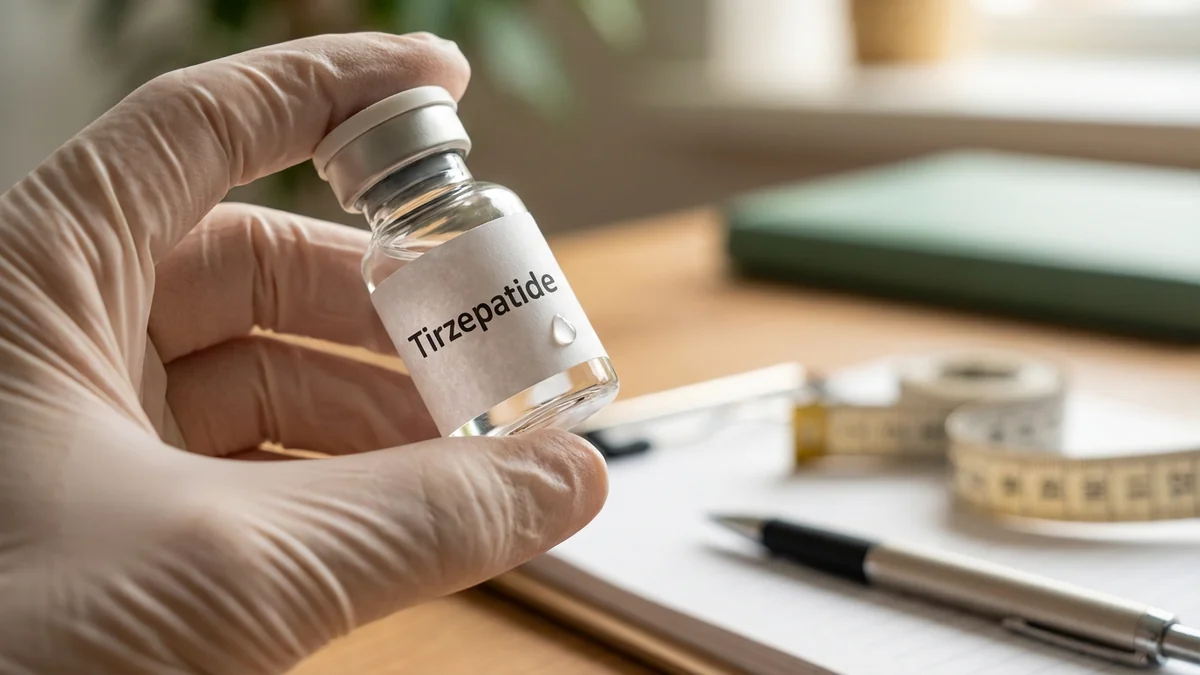
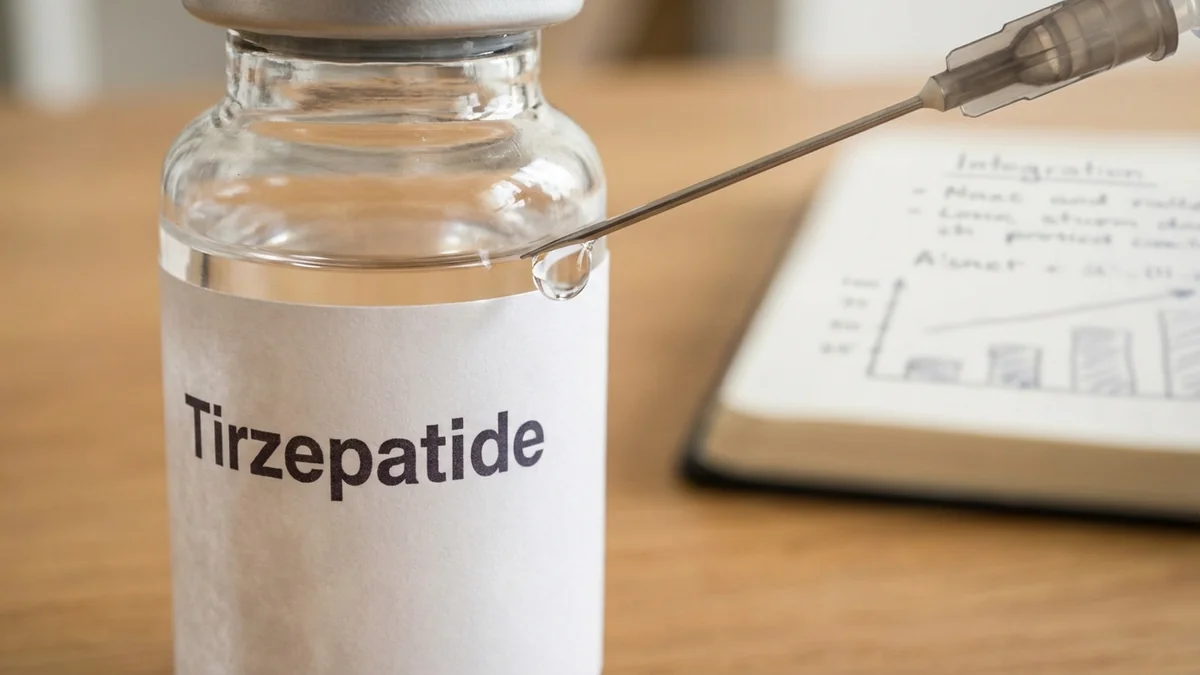
Tirzepatide is administered via subcutaneous injection, commonly in the abdomen, thigh, or upper arm. Patients should rotate injection sites to minimize skin irritation. It is typically injected once a week, at any time of day, with or without meals. The drug should be stored in a refrigerator and protected from light. If reconstitution is necessary, follow the specific instructions provided with the medication packaging.
Factors That Affect Dosing
Several factors influence tirzepatide dosing:
- Body Weight: Heavier patients may require higher doses for optimal efficacy.
- Treatment Goals: Weight loss and glycemic control targets can dictate dose adjustments.
- Concurrent Medications: Interactions with other drugs, such as oral contraceptives (PMID 37940101), may necessitate dosing changes.
- Kidney/Liver Function: Impaired renal or hepatic function can affect drug metabolism and clearance, requiring careful monitoring and potential dose adjustments.