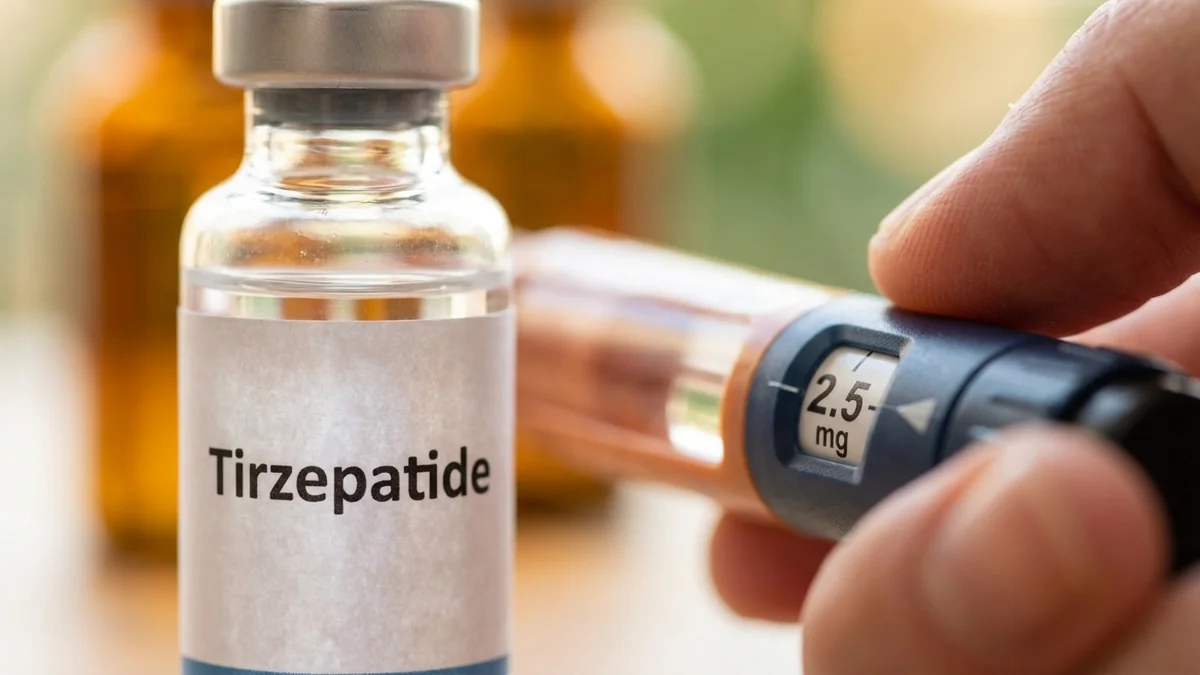

Key Takeaways
- Tirzepatide is FDA-approved for weight loss and type 2 diabetes, acting as a dual GIP/GLP-1 receptor agonist.
- Clinical trials indicate significant weight loss, with many patients achieving over 20% reduction in body weight.
- Patients typically notice effects within the first month, with continued improvements over six months.
- Results may vary based on diet, exercise, and adherence to the dosing regimen.
- Comparatively, tirzepatide shows superior outcomes to other GLP-1 receptor agonists in weight reduction.
What Is Tirzepatide?
Tirzepatide is a dual GIP/GLP-1 receptor agonist approved by the FDA for managing weight loss and type 2 diabetes. This peptide functions by enhancing insulin sensitivity, slowing gastric emptying, and reducing appetite, which collectively contribute to weight loss. For a comprehensive overview, visit the full profile.
What Clinical Trials Show
Tirzepatide has been evaluated in several key clinical trials, demonstrating promising results for weight management. In the SURMOUNT-4 trial (PMID 38078870), participants experienced a mean weight reduction of 15% to 20% over 72 weeks, with about 40% achieving more than 20% weight loss. Additionally, the study (PMID 38912654) highlighted tirzepatide's potential in reducing obesity-related complications, including obstructive sleep apnea. However, its impact on cardiovascular outcomes remains less conclusive (PMID 39555826).
Realistic Timeline
Patients often begin to notice weight loss within the first month of tirzepatide therapy. Initial effects may include reduced appetite and slight weight reduction. By three months, more substantial changes typically occur, with an average weight loss of 10% reported in clinical settings. At six months, many patients reach significant milestones, achieving over 15% weight loss. However, individual timelines can vary, and optimal results are often observed when the therapy is combined with lifestyle modifications.
Factors That Affect Results
Several factors can influence the efficacy of tirzepatide therapy. Compliance with the prescribed dosing regimen is crucial; deviations can hinder results. Dietary habits and physical activity levels significantly impact weight loss outcomes. Underlying health conditions, such as metabolic disorders, and concurrent medications may also play roles. Personal biological variation further contributes to differing responses among patients.
What Results Look Like in Practice
In clinical practice, many patients report substantial weight loss with tirzepatide, often exceeding 15% of their initial body weight within six months. Such outcomes are supported by clinical data but are contingent upon adherence to the therapy and accompanying lifestyle changes. Patients frequently experience improved metabolic markers, such as reduced HbA1c levels, alongside weight reduction.