
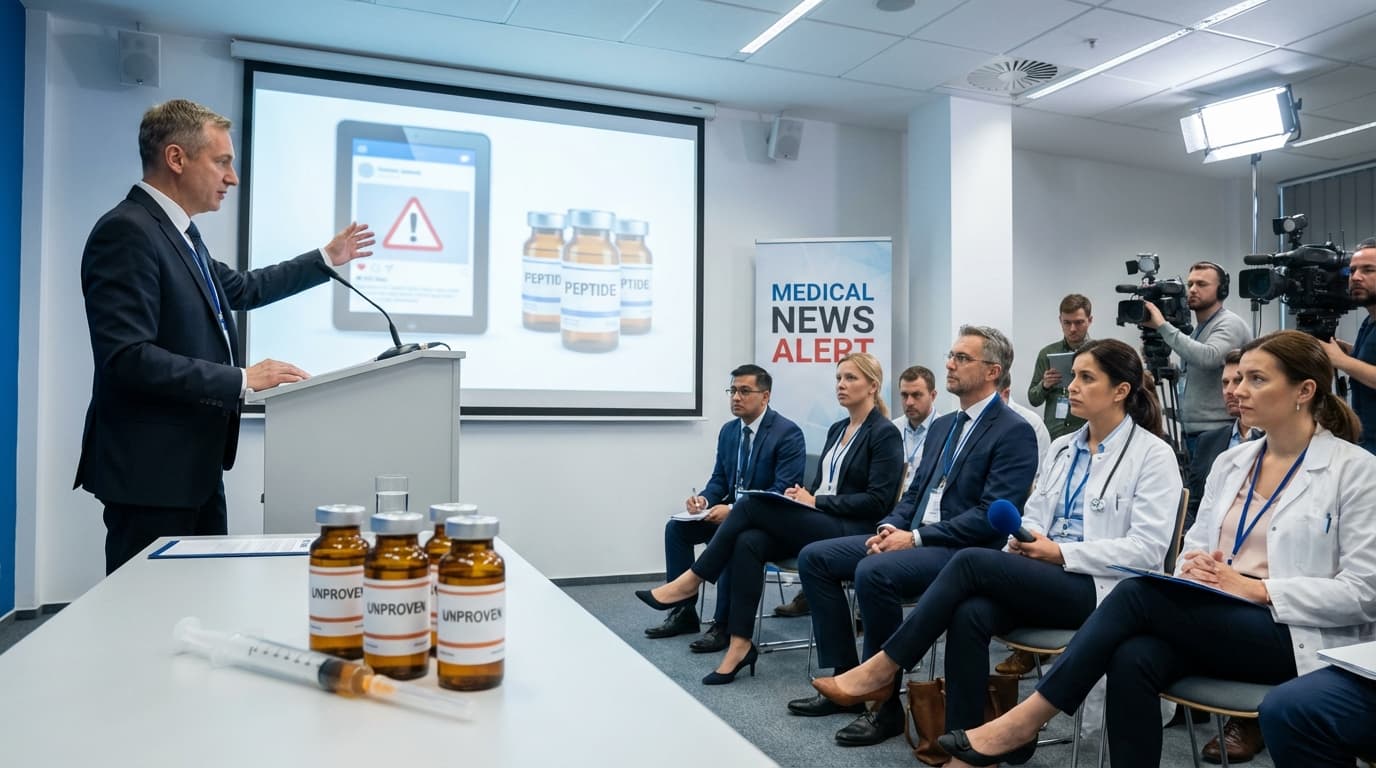
The recent surge in the popularity of unproven peptides, driven by influencers and allies of public figures like RFK Jr., is raising eyebrows among medical professionals and regulatory bodies. According to a CNN report, these peptides, often touted for their potential health benefits, lack sufficient scientific backing and carry significant risks.
Key Takeaways
- Influencer Impact: Social media influencers are significantly contributing to the spread of unproven peptide use.
- Lack of Evidence: Many of these peptides are not supported by rigorous scientific research.
- Regulatory Concerns: There is growing concern about the safety and legality of these substances.
- Patient Risk: Consumers may face health risks due to the unregulated nature of these peptides.
Background
Peptides are short chains of amino acids that play various roles in the body, from hormone regulation to cell signaling. While some peptides have established medical uses, such as insulin for diabetes, others are being marketed with claims that are not substantiated by scientific evidence. The allure of these peptides is often amplified by social media influencers who promote them as quick fixes for health and wellness issues.
The involvement of high-profile figures, including RFK Jr., has further propelled the popularity of these unproven therapies. The trend highlights a broader issue in the health and wellness industry where marketing often outpaces science, leading to widespread use of substances that may not be safe or effective.
What This Means for Patients
Patients considering peptide therapy should exercise caution and seek treatments that are backed by credible scientific research. It's crucial to consult healthcare professionals before starting any new treatment, especially those promoted through non-traditional channels like social media.
Unproven peptides may not only fail to deliver the promised benefits but could also pose significant health risks. The lack of regulation means that these products can vary widely in quality and purity, increasing the potential for adverse effects.
Patients should also be aware of the legal implications. The use of certain peptides without a prescription may violate FDA regulations, leading to potential legal consequences.
Frequently Asked Questions
What are unproven peptides?
Unproven peptides are those marketed without sufficient scientific evidence supporting their efficacy and safety.
Are unproven peptides legal?
The legality of unproven peptides varies; some may be illegal to sell or use without a prescription.
How do influencers affect the popularity of peptides?
Influencers often promote peptides on social media, increasing public interest and usage despite a lack of scientific backing.
Medical Disclaimer: This article is for informational purposes only and should not be considered medical advice. Always consult a healthcare professional before starting any new treatment.