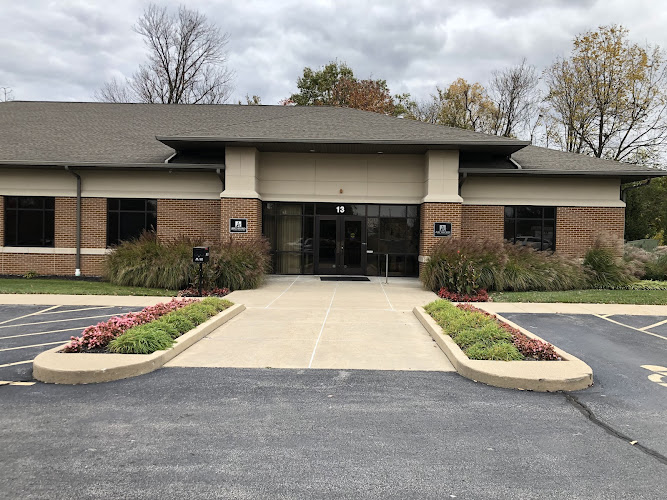
Medical Weight Loss Solutions operates a telehealth-focused practice serving patients in Illinois, Missouri, and Florida, with clinical oversight based in Swansea, IL. The clinic structures its programs around physician-supervised weight management protocols that integrate GLP-1 receptor agonists, peptide therapies, and metabolic optimization strategies for patients dealing with obesity, metabolic syndrome, and weight-related chronic conditions. Rather than offering generic weight loss plans, the practice conducts comprehensive metabolic assessments before prescribing interventions, ensuring each patient receives a protocol matched to their hormonal profile, insulin sensitivity, and cardiovascular risk factors.
The clinic's peptide and pharmaceutical menu includes Semaglutide and Tirzepatide for appetite regulation and glycemic control, BPC-157 for gut healing and inflammatory modulation in patients with metabolic endotoxemia, and NAD+ infusion protocols designed to support mitochondrial function during caloric restriction phases. Tirzepatide prescriptions follow a titration schedule that balances GLP-1 and GIP receptor activation to maximize weight reduction while minimizing gastrointestinal side effects. BPC-157 is incorporated for patients presenting with leaky gut symptoms or those experiencing GI distress from GLP-1 agonists, as the peptide supports mucosal integrity and reduces systemic inflammation. NAD+ infusions are scheduled during metabolic adaptation phases when patients report energy decline or cognitive fog, providing cofactor support for cellular energy production pathways that become strained during sustained weight loss.
Medical Weight Loss Solutions employs nurse practitioners and registered nurses who conduct virtual consultations, review lab panels, and adjust medication dosing based on patient-reported outcomes and biometric data. The nursing staff fields questions about injection technique, manages prior authorizations for compounded and branded medications, and coordinates lab orders through patient-accessible Quest and LabCorp networks in all three licensed states. Patients interact with the same clinical team throughout their program, allowing nurses to track individual response patterns and modify protocols when weight loss plateaus or adverse effects emerge. The practice requires baseline metabolic panels, lipid profiles, and hemoglobin A1c before initiating GLP-1 therapies, then repeats labs at 12-week intervals to monitor hepatic function, kidney filtration rates, and glycemic trends.
Patients begin with a telehealth intake appointment where medical history, current medications, and weight loss goals are documented, followed by a treatment plan that outlines medication type, dosing schedule, nutritional targets, and follow-up cadence. The clinic provides injection training videos and supplies syringes, alcohol pads, and sharps containers with initial medication shipments. Follow-up visits occur every four weeks during the titration phase, then extend to eight-week intervals once patients reach maintenance dosing. Nutritional guidance focuses on protein intake targets (typically 0.8-1.0 grams per pound of ideal body weight), fiber requirements, and micronutrient supplementation to prevent deficiencies common during rapid weight reduction. The practice does not require patients to purchase proprietary meal plans or supplements, instead offering evidence-based macronutrient frameworks that patients adapt to their food preferences and cultural eating patterns.
Because Medical Weight Loss Solutions operates exclusively via telehealth, patients access care without geographic barriers within Illinois, Missouri, and Florida, eliminating commute time and allowing flexible appointment scheduling outside traditional office hours. Medications are shipped directly to patient homes through partner compounding pharmacies or retail pharmacy networks depending on insurance coverage and formulary restrictions. The clinic maintains a patient portal where individuals upload weekly weigh-ins, report side effects, and message clinical staff between scheduled visits. This asynchronous communication model allows nurses to address concerns about nausea, constipation, or injection site reactions without requiring additional appointment scheduling, improving adherence rates and patient satisfaction. For patients requiring in-person infusion services such as NAD+ administration, the clinic coordinates with local infusion centers in the patient's area, providing detailed orders and monitoring protocols to ensure consistent care delivery across service locations.
Jordan Kimler, NP
Nurse Practitioner
Jordan Kimler is a certified Nurse Practitioner who provides comprehensive and holistic care to her patients. Jordan has over 15 years of experience working in the medical field specializing in Primary Care, Hormone Optimization, and Weight Management.
Dr. Tana Settle, MD
Medical Doctor
Dr. Tana Settle is a board-certified medical doctor with over 30 years of medical expertise. Dr. Settle attended Oklahoma State University where she graduated with a Bachelor of Science in Biochemistry. She went on to obtain her medical degree from University of Oklahoma College of Medicine in 1991.
Brandon Williams, DC, PA-C
Physician Assistant
Dr. Brandon Williams is originally from Murray, KY, where he attended Murray State University. He went on to attend Logan University and graduated with honors with a Bachelor of Science degree and as class valedictorian for his Doctor of Chiropractic degree in 2009.
Topics Mentioned in Reviews
MyPeptideMatch.com is an independent directory. We do not provide medical advice. Always consult a qualified healthcare provider before starting any peptide therapy.