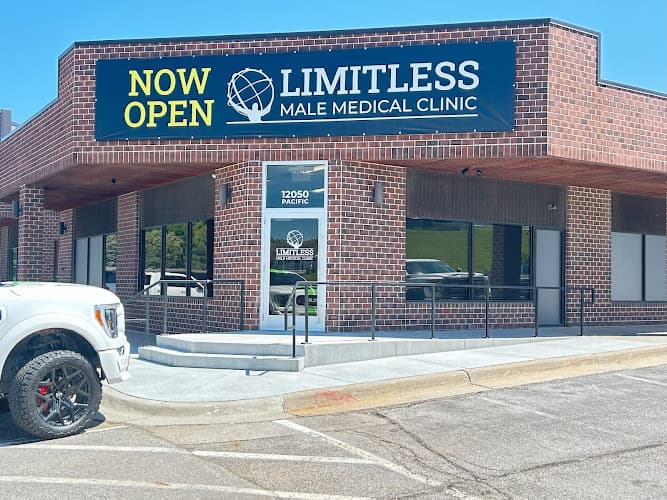


Metabolic Research Center in Omaha, NE operates as a weight loss and metabolic health clinic combining structured nutrition programs with peptide therapy and hormone optimization protocols. The clinic serves patients throughout the Omaha metropolitan area seeking medically-supervised approaches to weight management and metabolic dysfunction. Their model integrates weekly in-person consultations with customized meal planning, body composition tracking, and targeted peptide interventions designed to address underlying metabolic factors that resist conventional diet-and-exercise approaches.
The clinic's peptide therapy offerings include Sermorelin acetate for growth hormone optimization and NAD+ (nicotinamide adenine dinucleotide) supplementation for cellular energy metabolism. Sermorelin functions as a growth hormone-releasing hormone analog that stimulates the pituitary gland's natural production of human growth hormone, which declines with age and metabolic stress. Patients receive Sermorelin as part of protocols addressing reduced lean muscle mass, stubborn fat deposits, decreased energy expenditure, and age-related metabolic slowdown. NAD+ therapy supports mitochondrial function and cellular energy production, which the clinic incorporates into programs for patients experiencing fatigue, metabolic syndrome, or difficulty maintaining weight loss despite caloric restriction. These peptide interventions complement the center's structured nutrition protocols rather than serving as standalone treatments.
Metabolic Research Center's hormone balancing services address thyroid function, insulin sensitivity, cortisol patterns, and sex hormone optimization as they relate to weight management outcomes. The clinic conducts metabolic assessments to identify hormonal imbalances contributing to weight gain, particularly for patients with hypothyroidism, insulin resistance, perimenopause, menopause, or andropause. Providers develop treatment plans that may combine bioidentical hormone replacement, peptide therapy, nutritional intervention, and lifestyle modification based on laboratory findings and clinical presentation. The Omaha location emphasizes the relationship between hormonal equilibrium and sustainable weight loss, recognizing that caloric restriction alone often fails when underlying endocrine dysfunction remains unaddressed.
Patients at the Omaha clinic participate in weekly in-person consultations that include weight tracking, body composition analysis, meal plan adjustments, and accountability check-ins. The structured program model provides pre-planned menus, portion guidance, and specific food lists designed to create consistent caloric deficits while maintaining adequate protein intake and nutritional density. Consultants review adherence, troubleshoot challenges, and modify approaches based on individual response patterns. For patients incorporating peptide therapy, providers monitor treatment response through symptom tracking, body composition changes, and periodic laboratory reassessment. The clinic dispenses compounded medications directly to patients during office visits, eliminating pharmacy delays and ensuring treatment continuity.
With a 4.7-star rating across 32 Google reviews, Metabolic Research Center in Omaha maintains an in-person only consultation model that requires patients to visit the clinic location for all services. This approach differs from telehealth-focused peptide clinics and appeals to Omaha-area residents who prefer face-to-face accountability and local access to providers. The clinic does not offer virtual consultations or remote monitoring, positioning itself as a community-based weight loss center with peptide therapy as an adjunctive option rather than a primary telemedicine peptide provider. Patients seeking peptide therapy at this location receive it within the context of the center's comprehensive metabolic weight loss program rather than as an isolated treatment intervention.
MyPeptideMatch.com is an independent directory. We do not provide medical advice. Always consult a qualified healthcare provider before starting any peptide therapy.