
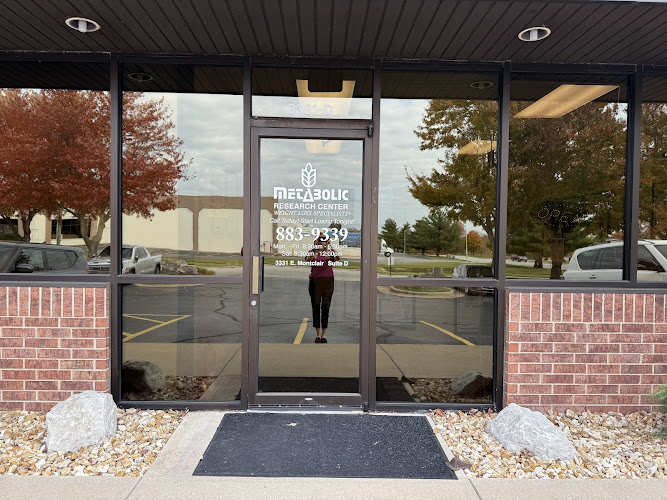
Metabolic Research Center in Springfield, Missouri, operates as a medically supervised weight loss clinic that integrates peptide therapy, hormone optimization, and genetic testing into individualized metabolic health programs. The clinic serves patients throughout Greene County and southwest Missouri who seek structured, science-based approaches to sustainable weight management rather than quick-fix diets. With a 4.7-star rating across 89 Google reviews, the center has built its reputation on measurable outcomes and consistent coaching support that extends beyond initial consultations.
The clinic's peptide therapy offerings include NAD+ infusions and Sermorelin injections, both administered as adjuncts to comprehensive metabolic programs. NAD+ (nicotinamide adenine dinucleotide) is utilized to support cellular energy production and metabolic function, particularly in patients experiencing fatigue or age-related metabolic decline. Sermorelin, a growth hormone-releasing peptide, is prescribed to patients with documented growth hormone deficiency or suboptimal levels confirmed through hormone testing, supporting lean muscle preservation during caloric restriction. These peptides are incorporated into weight loss protocols only after baseline hormone panels and metabolic assessments establish clinical appropriateness. The center does not offer peptide therapy as standalone treatment but rather as part of structured programs that include dietary modification, body composition tracking, and regular metabolic monitoring.
Metabolic Research Center's approach centers on one-on-one coaching sessions conducted in-person at the Springfield location. Patients meet with trained metabolic coaches who review weekly progress, adjust meal plans based on individual response, and provide accountability between medical consultations. The clinic utilizes genetic testing to identify variations in metabolism-related genes that may influence macronutrient processing, appetite regulation, or weight loss resistance. Hormone testing panels assess thyroid function, cortisol patterns, sex hormones, and growth hormone status to identify endocrine factors that may impede weight loss. These diagnostic tools inform personalized program design rather than following a single protocol for all patients. Coaches work from test results and provider recommendations to modify caloric targets, meal timing, and supplement protocols as patients progress through phases of their programs.
Patients beginning programs at the Springfield clinic undergo an initial consultation that includes body composition analysis, metabolic rate assessment, and review of medical history to identify contraindications or conditions requiring physician oversight. The center's programs are structured in phases, with initial weeks focused on metabolic adaptation and subsequent phases emphasizing sustainable lifestyle integration. Patients receive meal planning guidance specific to their genetic and hormonal profiles, with coaches providing recipe ideas and strategies for navigating social situations and dining out. Accountability is built into the program structure through scheduled weigh-ins, measurements, and coaching sessions that occur weekly during active weight loss phases. The clinic does not provide telehealth consultations; all patient interactions occur at the Springfield facility, which allows for in-person body composition testing and direct coach-patient communication.
What distinguishes Metabolic Research Center in Springfield from conventional weight loss programs is the integration of diagnostic testing with ongoing coaching support. Rather than prescribing peptides or hormones based solely on symptoms, the clinic requires laboratory confirmation of deficiencies or imbalances before initiating therapy. The coaching model emphasizes education about metabolic function, helping patients understand how their individual genetic variants and hormone levels influence their response to dietary changes. Patients learn to interpret their own body composition trends and recognize patterns in their metabolic response, building skills for long-term weight maintenance beyond the active program period. The center's focus on accountability and structured check-ins addresses the behavioral aspects of weight management that often determine long-term success, complementing the physiological interventions provided through peptide therapy and hormone optimization.
Topics Mentioned in Reviews
MyPeptideMatch.com is an independent directory. We do not provide medical advice. Always consult a qualified healthcare provider before starting any peptide therapy.