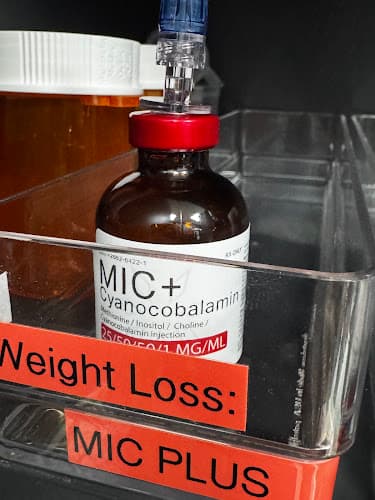

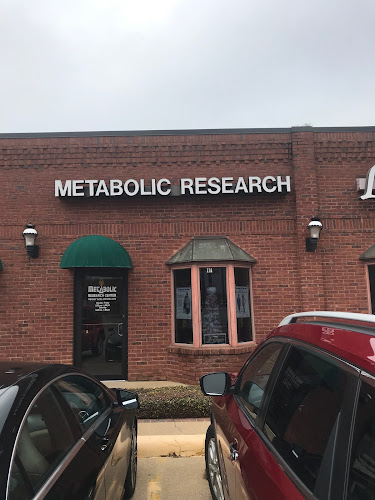
Metabolic Research Center in Tyler, Texas operates as a medically-supervised weight loss clinic that integrates peptide therapy with structured nutritional programming. The Tyler location serves East Texas residents seeking physician-guided approaches to metabolic optimization, combining sermorelin acetate therapy for growth hormone support with NAD+ supplementation protocols designed to enhance cellular energy production during caloric restriction phases. The clinic's model centers on in-person consultations where providers assess metabolic markers, body composition metrics, and hormonal status before designing individualized treatment plans that address the physiological barriers many patients face when attempting sustained weight reduction.
The peptide protocols at this Tyler facility focus specifically on sermorelin as a growth hormone secretagogue, administered to patients whose metabolic assessments indicate suboptimal growth hormone levels that may impair fat metabolism and lean muscle preservation during weight loss. Sermorelin therapy typically follows a structured injection schedule coordinated with the clinic's nutritional phases, aiming to support lipolysis while maintaining metabolic rate. NAD+ supplementation serves as the clinic's primary cellular optimization therapy, offered through protocols designed to support mitochondrial function during the metabolic stress of calorie restriction. These NAD+ programs target patients experiencing fatigue, reduced mental clarity, or metabolic adaptation that can stall weight loss progress, with dosing individualized based on patient response and concurrent nutritional phase.
The medical team at Metabolic Research Center Tyler includes licensed healthcare providers who conduct the initial metabolic assessments and ongoing monitoring required for peptide therapy administration. Patients work directly with health coaches who implement the week-by-week nutritional protocols, adjust meal structures based on metabolic response, and coordinate timing of peptide administration with dietary phases. This dual-provider model separates medical oversight of hormone-related therapies from the intensive nutritional coaching that characterizes the clinic's approach. Providers review laboratory panels that assess thyroid function, insulin sensitivity markers, and hormonal balance to determine candidacy for sermorelin therapy and identify whether hormone optimization should precede or accompany the weight loss protocol.
Patients beginning treatment at the Tyler location undergo comprehensive intake appointments that include body composition analysis, metabolic rate assessment, and review of weight loss history to identify previous barriers to success. The clinic structures its programs in defined phases, each with specific macronutrient targets and caloric parameters that coaches adjust based on weekly progress measurements. For patients receiving sermorelin or NAD+ therapy, the clinic provides injection training during in-person visits and schedules regular follow-up appointments to assess treatment response through both subjective markers like energy and sleep quality, and objective measures including body composition changes and metabolic panel results. The coaching model involves frequent accountability check-ins where patients review food logs, discuss lifestyle factors affecting adherence, and receive plan modifications to address plateaus or challenges.
Metabolic Research Center Tyler differentiates itself through the integration of medical peptide therapies within a structured weight loss framework rather than offering peptides as standalone treatments. Patients must commit to in-person visits at the Tyler office for weigh-ins, coaching sessions, and medical check-ins, as the clinic does not provide telehealth options for its core programming. This local-only model allows for hands-on body composition monitoring and immediate plan adjustments based on real-time assessment. The clinic's approach to hormone balancing focuses specifically on how hormonal optimization supports metabolic function during weight loss rather than treating hormone deficiency as a primary condition, positioning peptide therapy as an adjunct to nutritional intervention for patients whose metabolic profiles indicate they would benefit from growth hormone support or cellular energy enhancement during their weight reduction program.
Topics Mentioned in Reviews
MyPeptideMatch.com is an independent directory. We do not provide medical advice. Always consult a qualified healthcare provider before starting any peptide therapy.