

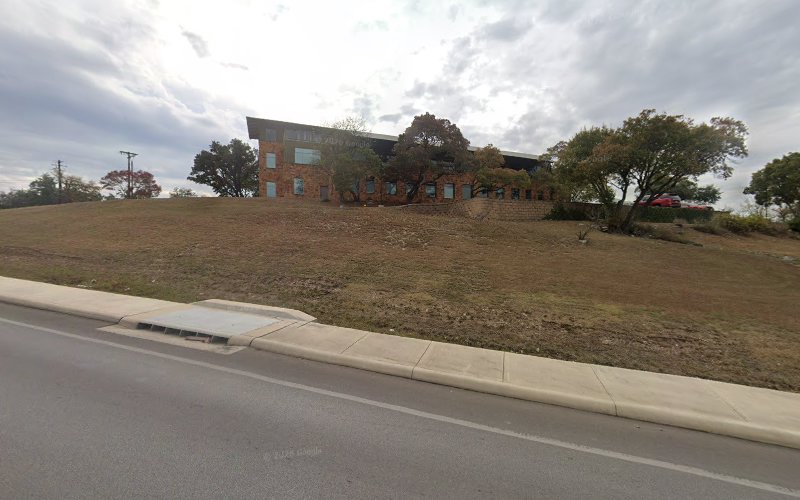
Peptide Hub “Balance Point”'s peptide therapy menu includes PT-141, Sermorelin, and Tesamorelin, with treatment protocols customized based on individual health goals and lab work. Additional peptide options may be available based on medical necessity and FDA guidelines.
The clinic's peptide selection addresses multiple clinical applications through targeted mechanisms. Sermorelin functions as a growth hormone-releasing hormone analog, stimulating endogenous production rather than replacing it directly, while Tesamorelin specifically targets visceral adipose tissue reduction through hypothalamic-pituitary axis modulation. PT-141 (bremelanotide) operates through melanocortin receptor pathways for patients addressing hypoactive sexual desire, distinct from vascular-focused alternatives. TB-500, a synthetic fraction of thymosin beta-4, and BPC-157, derived from gastric protective protein sequences, form the foundation of the clinic's tissue repair protocols for tendon injuries, joint inflammation, and gastrointestinal healing. Each peptide requires specific reconstitution, dosing schedules, and administration routes that Balance Point providers determine through initial consultations and ongoing monitoring.
Balance Point structures patient care around comprehensive intake assessments that include hormone panels, metabolic markers, and condition-specific evaluations before initiating peptide protocols. The clinic's approach to hormone therapy extends beyond peptide administration to include lifestyle modification guidance, supplement protocols that support peptide efficacy, and follow-up testing schedules that track biomarker changes rather than subjective improvements alone. For weight management patients, the clinic combines Tesamorelin or Sermorelin with body composition tracking and metabolic rate assessments, creating data-driven protocols rather than standardized dosing. Muscle recovery programs integrate TB-500 and BPC-157 with rehabilitation timelines, particularly for patients managing sports injuries, surgical recovery, or chronic inflammatory conditions affecting mobility.
Patients beginning treatment at the Boerne clinic complete baseline laboratory work that informs peptide selection and dosing parameters, followed by education sessions covering self-administration techniques, storage requirements, and expected timelines for physiological changes. The clinic provides reconstituted peptides with specific injection protocols, typically subcutaneous administration with rotation site guidance to minimize tissue irritation. Follow-up schedules vary by peptide—growth hormone secretagogues like Sermorelin require monitoring at 8-12 week intervals to assess IGF-1 response, while tissue repair peptides follow healing timelines with symptom tracking and functional assessments. Balance Point maintains communication channels for patients to report side effects, dosing questions, or protocol adjustments between scheduled visits, recognizing that peptide therapy requires more active patient engagement than conventional pharmaceutical approaches.
Serving patients throughout the Boerne area and broader Kendall County region, Peptide Hub Balance Point operates with a focus on patients seeking alternatives to traditional hormone replacement or those managing conditions where conventional treatments have provided incomplete results. The clinic's nine Google reviews reflect patient experiences with energy restoration and therapy outcomes, indicating a patient base primarily concerned with functional improvements rather than aesthetic goals alone. Balance Point's concentration on five specific peptides allows for deeper clinical experience with each compound's dosing nuances, interaction profiles, and patient response patterns compared to clinics offering broader but less specialized peptide menus.
Topics Mentioned in Reviews
MyPeptideMatch.com is an independent directory. We do not provide medical advice. Always consult a qualified healthcare provider before starting any peptide therapy.

Kyle, TX
53 mi away