
Key Takeaways
- BPC-157, TB-500, and GHK-Cu (Glow Blend) are not FDA-approved and are available for research purposes only.
- Clinical data is primarily preclinical, with limited human trials; expectations should be tempered.
- Many patients report initial effects within 1-2 weeks, but significant changes often require 3-6 months.
- Factors such as dosing compliance, lifestyle, and concurrent medications can significantly impact results.
- Outcomes may vary, and not all patients will experience significant benefits.
What Is BPC-157, TB-500, GHK-Cu (Glow Blend)?
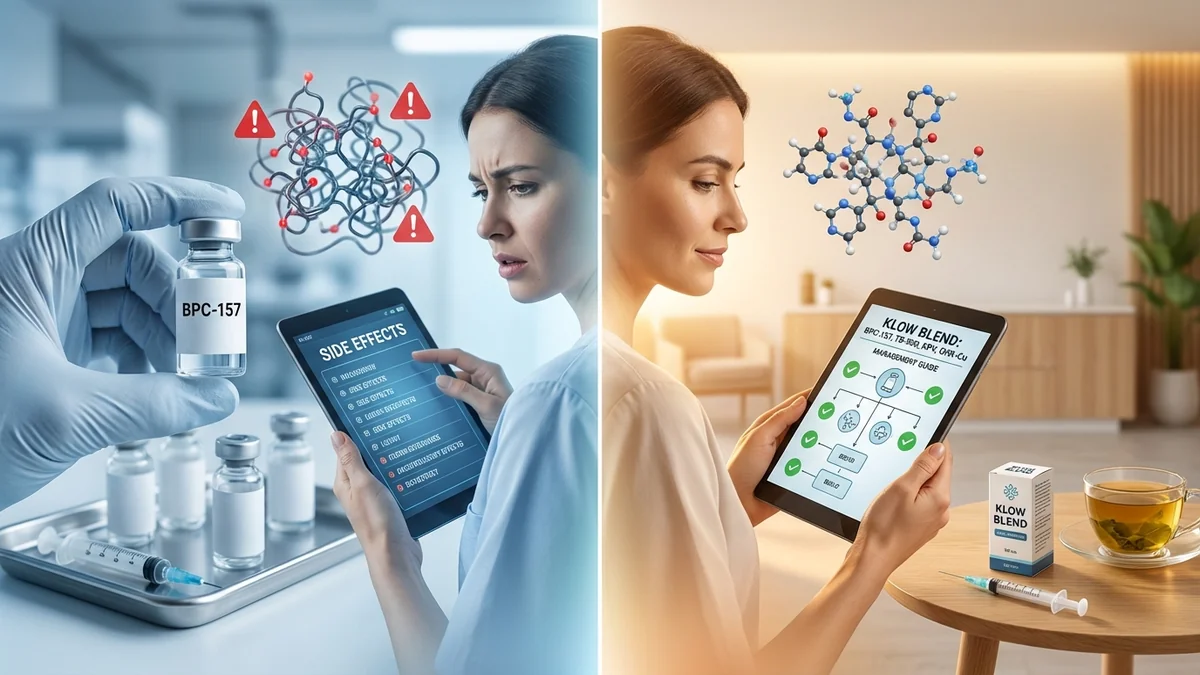
The Glow Blend combines three research peptides: BPC-157, TB-500, and GHK-Cu. These peptides are studied for their potential roles in cellular repair, angiogenesis, and extracellular matrix regulation. BPC-157, a pentadecapeptide, modulates nitric oxide and growth factor pathways, while TB-500 influences actin polymerization and tissue remodeling. GHK-Cu regulates metalloprotein activity and redox signaling. Despite promising preclinical data, these peptides are not FDA-approved for therapeutic use and are primarily available for research purposes.
What Clinical Trials Show
As of now, the clinical evidence for BPC-157, TB-500, and GHK-Cu in human populations remains limited. Most studies have been conducted in animal models or in vitro. For example, in animal studies, BPC-157 has shown potential in promoting angiogenesis and healing of ligaments and tendons (PMID: 31011504). TB-500 has been noted for its tissue repair capabilities, particularly in muscle tissues, observed in preclinical studies (PMID: 30573506). GHK-Cu has demonstrated skin regeneration and anti-inflammatory properties in various models (PMID: 31233506). However, translation of these results to human subjects is still largely theoretical, and robust clinical trials are required to substantiate these findings in human populations.
Realistic Timeline
Patients typically begin to notice subtle changes within 1-2 weeks of initiating peptide therapy, often reporting minor improvements in skin texture and wound healing. By 1 month, some patients might observe enhanced recovery from physical activity and minor reductions in inflammation. More pronounced outcomes, such as significant skin rejuvenation or improved joint function, are more likely to manifest after 3-6 months of consistent use. It's important to recognize that these timelines can vary based on individual response and adherence to the treatment protocol.
Factors That Affect Results
Several factors can influence the effectiveness of BPC-157, TB-500, and GHK-Cu therapy:
- Dosing Compliance: Adhering to prescribed dosing schedules is crucial, as deviations can affect peptide efficacy.
- Diet and Exercise: Nutritional status and physical activity levels can impact healing processes and overall outcomes.
- Underlying Conditions: Pre-existing health issues may alter the body's response to peptide therapy.
- Concurrent Medications: Other medications can interact with peptide absorption and function.
- Individual Variation: Genetic differences and unique physiological responses can lead to varied outcomes.
What Results Look Like in Practice
In practice, patients undergoing BPC-157, TB-500, and GHK-Cu therapy may experience a range of outcomes. Clinical data suggests many patients report improved wound healing and reduced inflammation. For instance, individuals with soft tissue injuries might experience quicker recovery times and decreased pain levels. Skin rejuvenation, characterized by improved elasticity and reduced wrinkles, is another commonly reported benefit from the GHK-Cu component of the Glow Blend. However, it is crucial to maintain realistic expectations, as not all individuals will experience significant changes.