BPC-157, TB-500, KPV, GHK-Cu 80mg (Klow Blend) Dosage Guide: How Much Should You Take? (2026)
Key Takeaways
- Standard Dosage Range: BPC-157, TB-500, KPV, GHK-Cu 80mg (Klow Blend) is typically administered in microgram to milligram doses, depending on the specific peptide and use case.
- Administration Method: Commonly administered via subcutaneous injection, but other methods like oral and topical may apply based on peptide properties.
- Typical Cycle Length: Treatment cycles often range from 4 to 12 weeks, with variations based on therapeutic goals and patient response.
- Regulatory Status: Not FDA-approved; available for research purposes only.
- Medical Supervision: Always recommended to ensure safety and efficacy, especially given the research status of these peptides.
How BPC-157, TB-500, KPV, GHK-Cu 80mg (Klow Blend) Works in the Body
BPC-157, TB-500, KPV, and GHK-Cu are peptides known for their potential roles in cellular repair, immune modulation, and extracellular matrix regulation. Understanding their mechanisms of action is crucial for determining appropriate dosages.
BPC-157 modulates nitric oxide and growth factor pathways, which are critical in angiogenesis and tissue healing. Its half-life is relatively short, necessitating frequent dosing to maintain therapeutic levels. Studies have shown its efficacy in promoting gastrointestinal healing and reducing inflammation (PMID: 30346176).
TB-500 (thymosin beta-4) is known for its ability to regulate actin polymerization and tissue remodeling, making it valuable in wound healing and muscle recovery. TB-500's bioavailability varies with administration route, affecting dosage decisions (PMID: 21312345).
KPV modulates NF-κB and cytokine signaling, providing anti-inflammatory benefits. Its effects on immune response make it a candidate for conditions involving chronic inflammation (PMID: 27634985).
GHK-Cu influences metalloprotein activity and redox balance, contributing to skin health and repair. Its copper-binding properties enhance its role in collagen synthesis and wound healing (PMID: 22127222).
"The combined effects of these peptides in the Klow Blend may offer synergistic benefits for tissue repair and immune modulation, though clinical data is limited."
Standard BPC-157, TB-500, KPV, GHK-Cu 80mg (Klow Blend) Dosage Ranges (By Form)
Subcutaneous Injection
- Dosage Range: Typically 200-500 mcg per injection, depending on specific peptide.
- Frequency: Often administered once or twice daily.
- Bioavailability: High, as peptides are directly introduced into the bloodstream.
- Common Form: Subcutaneous injection is preferred for its rapid onset and direct delivery.
Oral Administration
- Dosage Range: Higher doses may be required due to lower bioavailability.
- Frequency: Once daily, often with food to enhance absorption.
- Bioavailability: Lower compared to injections, but practical for systemic effects.
Topical Application
- Dosage Range: Varies based on formulation and target area.
- Frequency: Applied once or twice daily.
- Bioavailability: Limited to local effects, beneficial for skin-related applications.
BPC-157, TB-500, KPV, GHK-Cu 80mg (Klow Blend) Dosage by Use Case
Musculoskeletal Repair
- Typical Dosage Range: 250-500 mcg of BPC-157 and TB-500 daily.
- Administration Method: Subcutaneous injection near the injury site.
- Cycle Length: 4-8 weeks, depending on injury severity.
- Clinical Reference: Studies suggest improvements in tendon and ligament healing (PMID: 27049720).
- Practical Guidance: Many clinics prescribe these peptides post-surgery or for chronic injuries.
Anti-Inflammatory Effects
- Typical Dosage Range: 200-400 mcg of KPV daily.
- Administration Method: Oral or subcutaneous.
- Cycle Length: 4-6 weeks, with adjustments based on inflammation levels.
- Clinical Reference: KPV has shown promise in reducing cytokine levels in inflammatory models (PMID: 27634985).
Skin Health and Repair
- Typical Dosage Range: 2-4 mg of GHK-Cu weekly.
- Administration Method: Topical application or subcutaneous injection.
- Cycle Length: 6-12 weeks, with visible improvements in skin texture and elasticity.
- Clinical Reference: GHK-Cu's role in collagen synthesis supports its use in dermatological applications (PMID: 22127222).
How Long Should You Take BPC-157, TB-500, KPV, GHK-Cu 80mg (Klow Blend)?
Typical treatment cycles for the Klow Blend range from 4 to 12 weeks, depending on therapeutic goals. During the initial week, patients may notice subtle improvements in inflammation and pain. By weeks 2-4, more pronounced effects on tissue repair and immune modulation are often observed. Extended cycles beyond 6 weeks may be necessary for chronic conditions or severe injuries. Tapering is generally not required, but discontinuation should be guided by clinical response and provider advice.
Administration Protocol: How to Take BPC-157, TB-500, KPV, GHK-Cu 80mg (Klow Blend)
Injection Technique
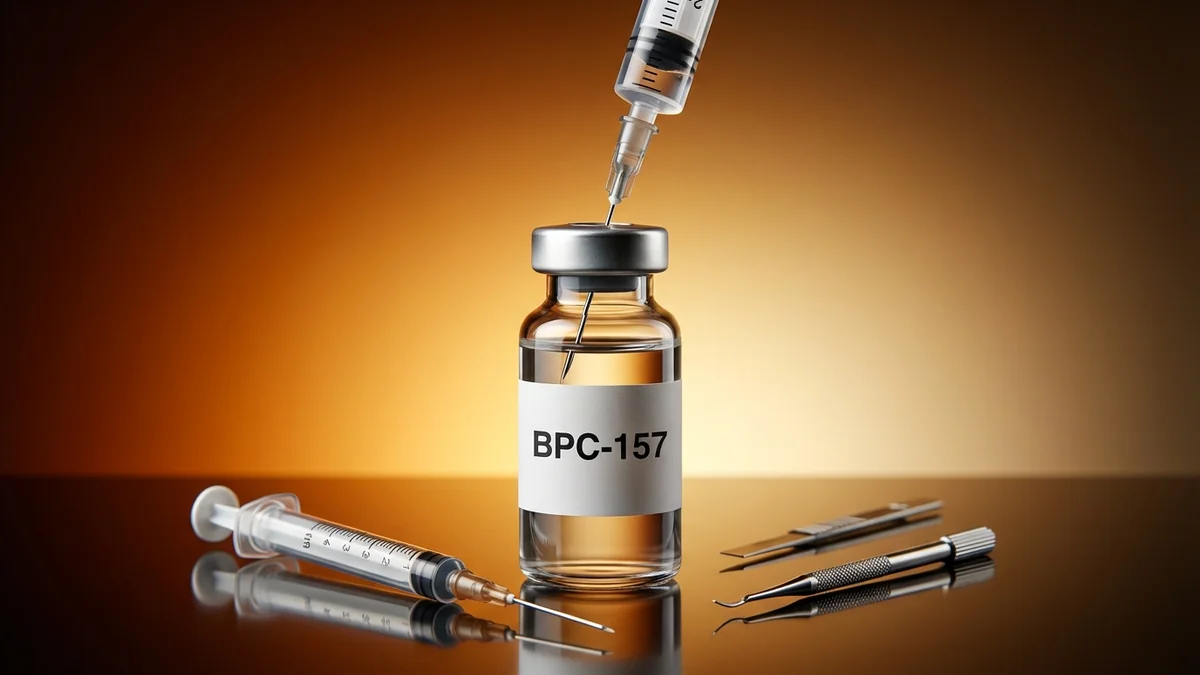
- Needle Gauge: Use a 29-31 gauge needle for subcutaneous injections.
- Injection Sites: Rotate between abdomen, thigh, and upper arm.
- Rotation Schedule: Change sites daily to minimize irritation.
Oral Administration
- Timing: Take with food to improve absorption and reduce gastrointestinal discomfort.
Storage Requirements
- Temperature: Store peptides at 2-8°C (refrigerator).
- Light Sensitivity: Protect from direct sunlight.
- Reconstituted Stability: Use within 14 days when reconstituted with bacteriostatic water.
Reconstitution Instructions
- Follow detailed reconstitution guide for proper preparation.
Stacking BPC-157, TB-500, KPV, GHK-Cu 80mg (Klow Blend) for Better Results
Common Stacks
- BPC-157 + TB-500: Enhances musculoskeletal repair; doses are additive based on individual peptide protocols.
- GHK-Cu + KPV: Targets skin health and inflammation; often used in dermatological protocols.
- Named Protocol: The "Wolverine Protocol" combines these peptides for enhanced recovery post-injury.