
Key Takeaways
- Bronchogen is not FDA-approved and is available for research purposes only.
- Typical research dosing involves a 20mg dosage, but clinical protocols vary.
- Dosing titration is crucial for optimizing efficacy and minimizing side effects.
- Administration is typically through subcutaneous injection, requiring specific handling and storage.
- Medical supervision is essential due to the peptide's research-only status and unknown long-term effects.
What Is Bronchogen?
Bronchogen is a research peptide composed of the amino acid sequence Ala-Glu-Asp-Leu. It is primarily studied for its potential effects on gene regulation and lung health. Despite its promising research applications, Bronchogen is not FDA-approved and is available solely for research purposes. For more detailed information, visit the Bronchogen profile.
Standard Dosing Protocols
Bronchogen lacks FDA-approved dosing guidelines, as it is still in the research phase. However, studies such as those documented in PMID 30199201 suggest a typical research dosage of 20mg. This dosage is often used in preclinical studies to explore its effects on lung tissue and gene expression (PMID 28371610). It is important to note that dosing may vary based on specific research objectives and protocols.
Titration Schedules
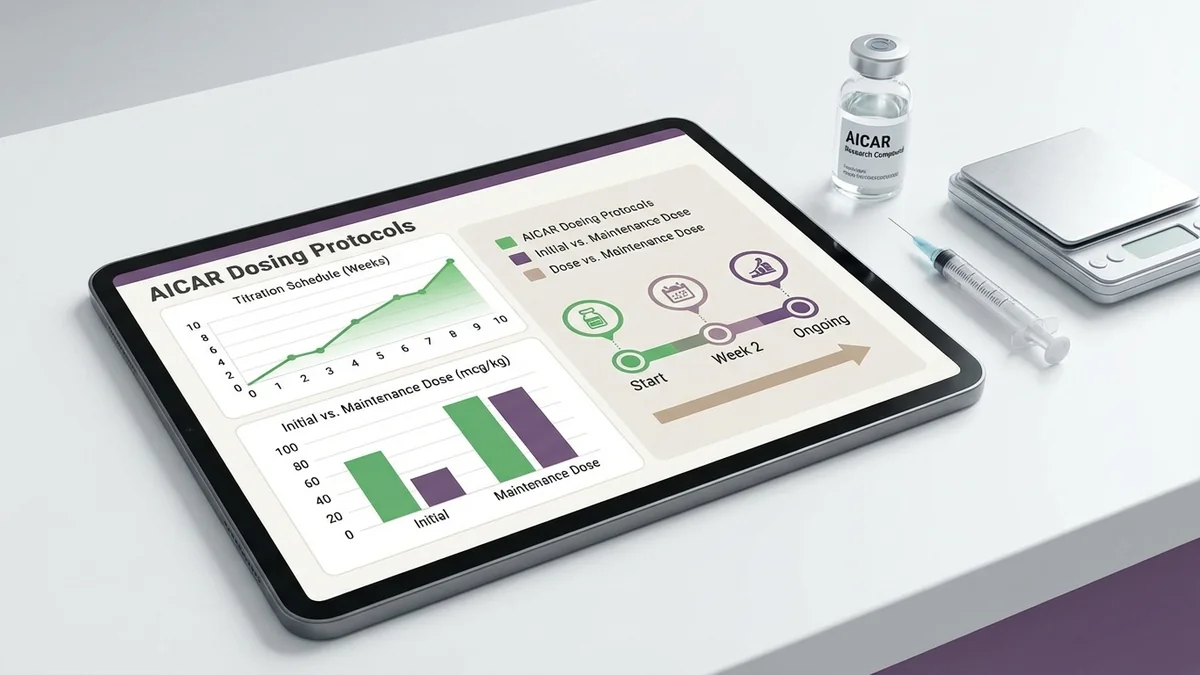
Titration of Bronchogen is essential to ensure patient safety and optimize outcomes. Research protocols often begin with lower doses, gradually increasing to the target 20mg level over several weeks. This gradual escalation helps monitor for adverse effects and allows for adjustments based on individual response, as seen in studies like PMID 21240358. Titration is crucial to balance efficacy with tolerability, especially given the peptide's research-only status.
Administration Method
Bronchogen is typically administered via subcutaneous injection. This route requires careful attention to injection site rotation to minimize local irritation. Common sites include the abdomen, thigh, and upper arm. Use a fine needle gauge, such as 29-31G, for administration. Proper storage in a refrigerated environment is necessary to maintain peptide stability, and reconstitution should be done using sterile saline or bacteriostatic water, following specific handling guidelines.
Factors That Affect Dosing
Several factors influence Bronchogen dosing, including body weight, treatment goals, and concurrent medications. Patients with impaired kidney or liver function may require adjusted dosing to prevent accumulation and potential toxicity. Clinicians must consider these factors when tailoring dosing regimens, ensuring that each patient receives an appropriate and safe dosage.
What Happens If You Miss a Dose
If a dose of Bronchogen is missed, it is advised to administer it as soon as possible. However, if the next scheduled dose is near, skip the missed dose to avoid double dosing. Consistency in dosing is vital for maintaining stable peptide levels. Always consult with a healthcare provider for specific guidance in case of missed doses.