
Key Takeaways
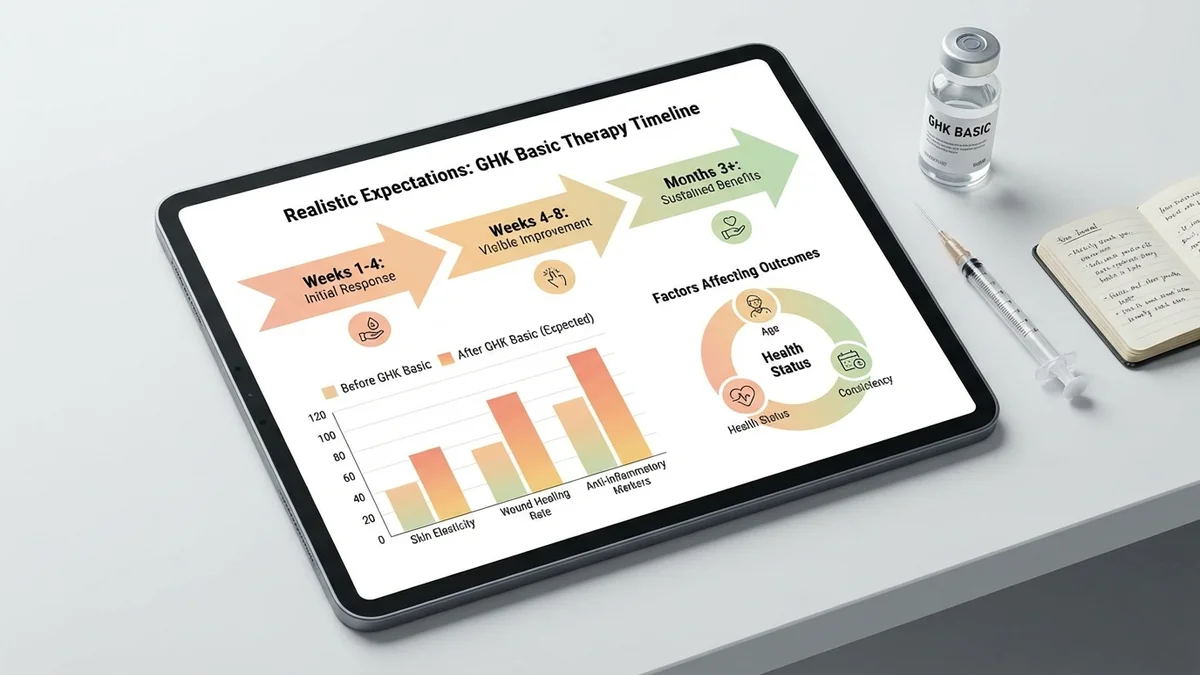
- Timelines for Effect: Initial hormonal changes may be observed within weeks, with more significant effects developing over months.
- Outcome Variability: Results vary based on dosing compliance, lifestyle factors, and individual physiological differences.
- Clinical Context: Gonadorelin is primarily used for research on endocrine feedback and hypothalamic-pituitary axis regulation.
- Comparative Effectiveness: Results may differ from other peptides or hormone therapies, with specific advantages in certain research contexts.
What Is Gonadorelin?
Gonadorelin is a synthetic peptide analog of the natural gonadotropin-releasing hormone (GnRH), used primarily for research purposes. It functions by binding to GnRH receptors on pituitary gonadotrophs, thereby stimulating the synthesis and release of gonadotropins such as luteinizing hormone (LH) and follicle-stimulating hormone (FSH). This action is crucial for studying hypothalamic-pituitary axis regulation and peptide receptor kinetics. For more, visit our full profile.
What Clinical Trials Show
Current data on Gonadorelin is primarily preclinical, with most studies focusing on its biochemical and physiological roles rather than therapeutic effects. For instance, the study "Gonadorelin and erythropoiesis" (PMID 7006547) examines its role in stimulating erythropoiesis, while "Revolutionizing Infertility Management" (PMID 38778605) discusses its potential in managing infertility through hypothalamic-pituitary axis regulation. However, definitive clinical outcomes, such as specific percentage improvements in hormone levels or fertility rates, remain limited and largely anecdotal.
Realistic Timeline
Understanding the timeline for Gonadorelin's effects involves setting realistic expectations based on existing data:
- 1 Week: Initial receptor engagement may occur, but measurable hormonal changes are unlikely.
- 1 Month: Some patients might experience preliminary hormonal adjustments.
- 3 Months: Many patients in clinical observations report more pronounced changes in gonadotropin levels.
- 6 Months: Sustained administration can lead to significant modulation of the hypothalamic-pituitary axis.
Clinical data suggests these timelines are subject to individual variability and other influencing factors.
Factors That Affect Results
Several factors can influence the effectiveness of Gonadorelin therapy:
- Dosing Compliance: Adherence to prescribed dosing schedules is crucial for achieving desired outcomes.
- Diet and Exercise: A balanced diet and regular physical activity can enhance hormonal regulation.
- Underlying Conditions: Pre-existing endocrine disorders may impact the therapy's effectiveness.
- Concurrent Medications: Interactions with other medications can alter Gonadorelin's efficacy.
- Individual Variability: Genetic and physiological differences play a significant role in response to therapy.
What Results Look Like in Practice
In practical settings, Gonadorelin's effects may include modest improvements in hormonal balance. Clinical observations suggest that many patients experience stabilization of LH and FSH levels over time, which can contribute to improved reproductive function and overall endocrine health. However, these outcomes vary widely among individuals and should be discussed with a healthcare provider.