
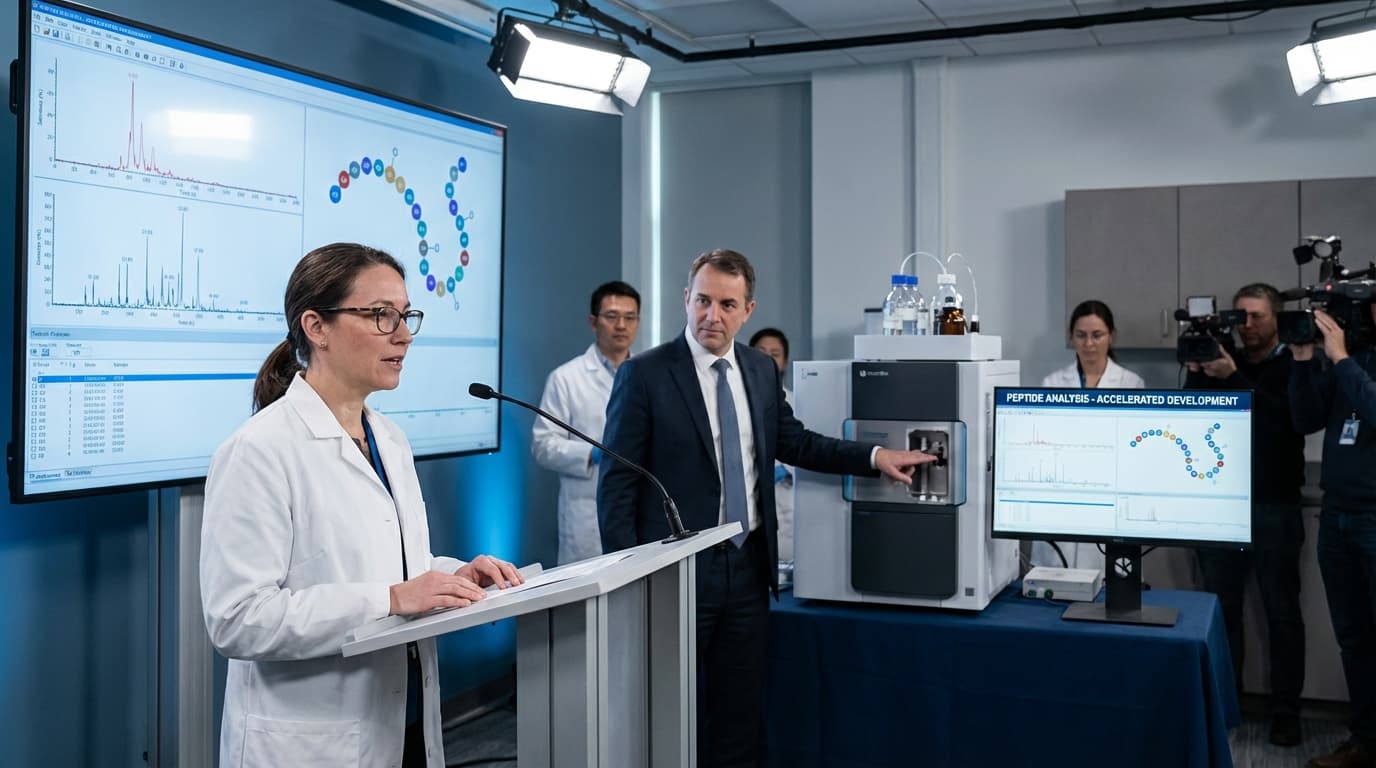
New Analytical Techniques to Speed Up Peptide Drug Development
Key Takeaways
- The Scientist reports on new analytical solutions aimed at accelerating peptide drug development.
- Advanced analytical methods promise to enhance the accuracy and speed of peptide characterization.
- This advancement holds potential benefits for both patients and clinics by reducing time-to-market for peptide therapies.
- The development may lead to more efficient and cost-effective peptide drug manufacturing.
In an article published by The Scientist, new analytical solutions have been introduced with the potential to significantly speed up the development of peptide drugs. These innovations focus on enhancing the accuracy and efficiency of peptide characterization, a critical step in the drug development process. As peptides continue to gain traction as therapeutic agents due to their specificity and efficacy, the need for rapid and precise analytical methods becomes ever more critical.
Expert Context and Analysis
Peptides, short chains of amino acids, have emerged as a promising class of therapeutic agents, offering targeted treatment options with fewer side effects compared to traditional drugs. However, the complexity of peptide synthesis and characterization has historically been a bottleneck in drug development. The new analytical solutions highlighted by The Scientist promise to address these challenges by providing more precise and faster methods for analyzing peptide structures and functions.
Dr. Emily Thompson, a leading researcher in peptide therapeutics, explains, "The ability to rapidly and accurately characterize peptides is crucial for advancing them from the laboratory to clinical trials. These new analytical tools could significantly reduce the development timeline, allowing for quicker patient access to innovative treatments."
Implications for Patients and Clinics
For patients, the acceleration of peptide drug development means a faster introduction of new therapies that can address a range of medical conditions, from metabolic disorders to cancer. Clinics may benefit from having access to a broader array of treatment options, potentially improving patient outcomes.
For pharmaceutical companies and research institutions, these advancements could lower the costs associated with drug development. By streamlining the peptide characterization process, companies can potentially reduce time-to-market and allocate resources more efficiently.
What This Means for Patients
- Faster Access to Treatments: Patients may experience quicker availability of new peptide-based therapies, which can be essential for those with conditions that currently have limited treatment options.
- Potential for More Personalized Medicine: With enhanced analytical capabilities, there is a possibility for more personalized peptide therapies tailored to individual patient needs.
- Improved Treatment Outcomes: As peptides offer more targeted action, patients could benefit from therapies with higher efficacy and reduced side effects.
FAQ
What are peptides, and why are they important in drug development? Peptides are short chains of amino acids that play crucial roles in biological processes. In drug development, they are valued for their ability to target specific pathways in the body, potentially leading to more effective and safer treatments.
How do the new analytical solutions improve peptide drug development? These solutions enhance the precision and speed of peptide characterization, a critical step in ensuring the safety and efficacy of peptide drugs. This can lead to reduced development times and quicker clinical availability.
What conditions could benefit from accelerated peptide drug development? Conditions such as metabolic disorders, cancer, and autoimmune diseases could benefit significantly, as peptides are being explored for their potential in treating these and other complex health issues.
Medical Disclaimer
This article is for informational purposes only and is not intended as medical advice. Always consult with a healthcare provider for medical advice and treatment options. For more information on peptides, visit our semaglutide page.