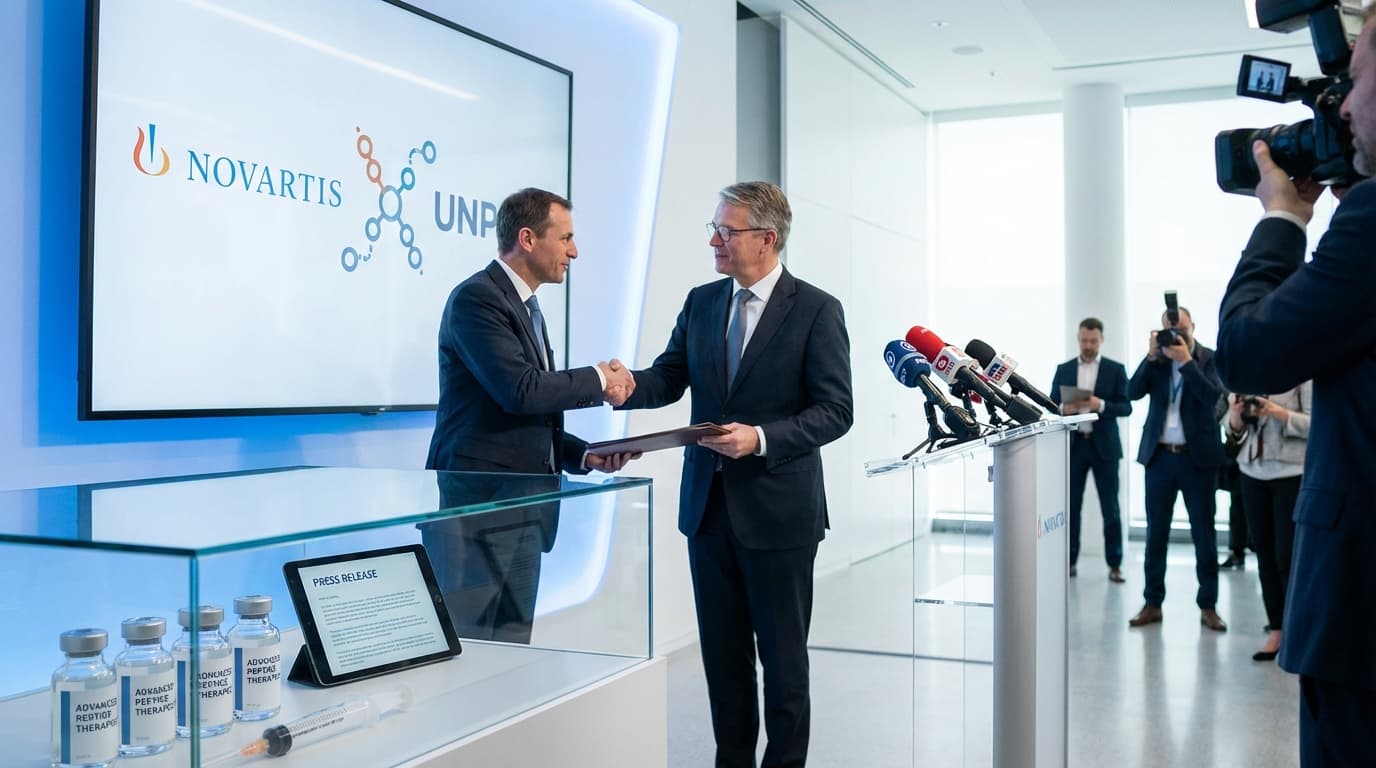
Novartis Secures Licensing Agreement with UNP for Advanced Peptide Therapeutics
Key Takeaways:
- Novartis has entered into a licensing agreement with UNP for the development of peptide therapeutics.
- This collaboration aims to enhance Novartis' pipeline with innovative peptide-based treatments.
- Peptide therapeutics are gaining traction due to their targeted action and reduced side effects.
- The agreement may accelerate the availability of new treatments for patients with unmet medical needs.
In a strategic move to bolster its portfolio of peptide-based therapies, Novartis has entered into a licensing agreement with UNP, a noted player in the peptide therapeutics space, as reported by Pharmaceutical Technology. This collaboration is expected to enhance Novartis' capabilities in developing novel peptide treatments, potentially addressing a range of conditions with significant unmet medical needs.
Expert Context and Analysis
Peptide therapeutics, which are short chains of amino acids, have emerged as a promising class of drugs due to their ability to mimic natural bodily functions, offering targeted treatment options with fewer side effects compared to traditional small molecule drugs. Experts in the field highlight that peptides can be engineered to interact specifically with cellular receptors, making them highly effective in treating complex diseases.
Dr. Emily Cartwright, a peptide therapeutics researcher at the University of California, remarked, "The precision of peptide drugs in targeting specific pathways is unmatched, which could revolutionize treatment paradigms for chronic and acute conditions."
Novartis' agreement with UNP is indicative of the growing interest in peptide therapies, which are already being used in various therapeutic areas, including metabolic disorders, oncology, and infectious diseases. The partnership is expected to leverage UNP’s expertise in peptide drug design to expedite the development of new therapeutic candidates within Novartis' pipeline.
What This Means for Patients and Clinics
For patients, this agreement could translate into more effective and safer treatment options becoming available in the near future. Peptide therapeutics offer the potential for improved outcomes in conditions where current treatments may fall short. Clinics may also benefit from these advancements, as peptide therapies could provide more precise treatment protocols, reducing the burden of side effects and improving patient adherence.
The collaboration between Novartis and UNP could lead to faster development timelines and, consequently, quicker access to these innovative treatments for patients worldwide.
What This Means for Patients
- Improved Treatment Options: Patients may have access to new therapies that are more effective and have fewer side effects.
- Faster Access: The collaboration might accelerate the development and approval process for new peptide-based treatments.
- Broader Therapeutic Applications: The agreement could expand the range of conditions that can be effectively managed with peptide therapeutics.
FAQ
What are peptide therapeutics?
Peptide therapeutics are drugs composed of short chains of amino acids designed to mimic natural biological processes in the body, offering targeted and effective treatment options.
Why is this agreement significant?
This agreement is significant because it combines Novartis' global reach and resources with UNP's specialized expertise in peptide technology, potentially leading to the development of new treatments for diseases with limited options.
How soon will patients see the benefits of this agreement?
While drug development is a lengthy process, this agreement may streamline research and development efforts, potentially speeding up the timeline for bringing new peptide therapies to market.
Medical Disclaimer: This article is for informational purposes only and does not constitute medical advice. Please consult a healthcare professional for medical advice or treatment.