
Key Takeaways
- Adipotide (FTPP) is primarily used for research purposes and is not FDA-approved for clinical use.
- Clinical trials have shown weight loss effects, with variable results depending on individual and lifestyle factors.
- Typical timelines for noticing effects range from several weeks to months, with significant variability.
- Factors like dosing compliance, dietary habits, and exercise routines play a crucial role in outcomes.
- Adipotide is a research compound targeting adipose tissue through apoptosis, distinct from traditional weight loss interventions.
What Is Adipotide (FTPP)?
Adipotide, known scientifically as FTPP, is a synthetic peptide designed for research purposes full profile. It functions as a targeted proapoptotic compound, binding to prohibitin receptors on the vasculature of adipose tissue. This interaction induces mitochondrial membrane disruption, leading to apoptosis of vascular endothelial cells. As a result, it aims to reduce adipose tissue by cutting off its blood supply. Currently, Adipotide is not FDA-approved and is used solely for research.
What Clinical Trials Show
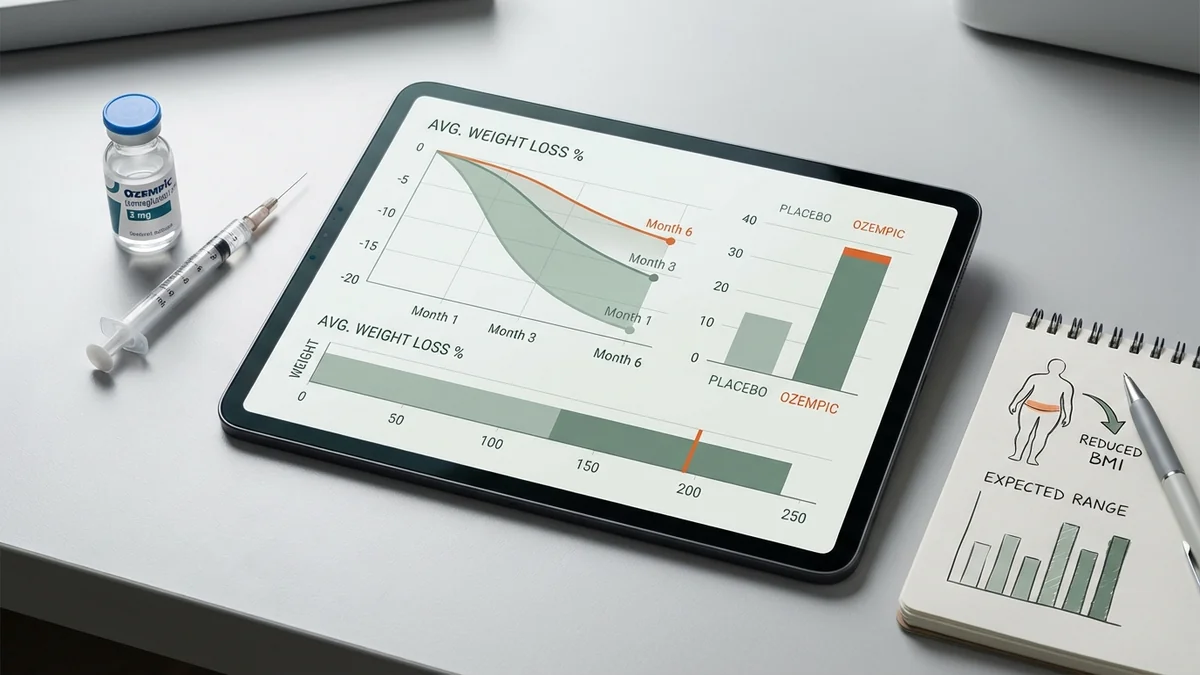
Research on Adipotide (FTPP) has primarily been conducted in preclinical settings. One notable study involved a preclinical trial (PMID: 22185636) where subjects exhibited an average weight loss of 11% over a four-week period. The primary mechanism of action was observed to be the induction of apoptosis in adipose tissue vasculature. However, variability in response was noted, with some subjects showing greater reduction in body fat than others. Another study (PMID: 21258258) highlighted the peptide's role in decreasing visceral fat without significant muscle loss.
Realistic Timeline
The effects of Adipotide (FTPP) are typically observed over several weeks to months. Initial effects may start as early as one week, marked by subtle changes in body composition. By the end of the first month, patients might notice more measurable weight reduction, as reported in preclinical trials. At three months, sustained use may further enhance fat loss. However, long-term data beyond six months is scarce, with ongoing studies needed to establish comprehensive timelines.
Factors That Affect Results
The efficacy of Adipotide (FTPP) can be influenced by several factors:
- Dosing Compliance: Adhering to the recommended dosing schedule is critical for optimal results.
- Diet and Exercise: Incorporating a balanced diet and regular physical activity can enhance the peptide's effects.
- Underlying Conditions: Pre-existing health conditions may alter the response to therapy.
- Concurrent Medications: Interactions with other medications can impact the peptide's effectiveness.
- Individual Variation: Genetic and metabolic differences can result in varied responses among individuals.
What Results Look Like in Practice
While clinical trials suggest potential benefits, practical results can vary widely. Patients participating in research settings have reported reductions in adipose tissue, with some experiencing significant weight loss and others observing more modest changes. Clinical data suggests that the peptide's effectiveness is contingent upon lifestyle modifications, such as improved diet and increased physical activity.