
Key Takeaways
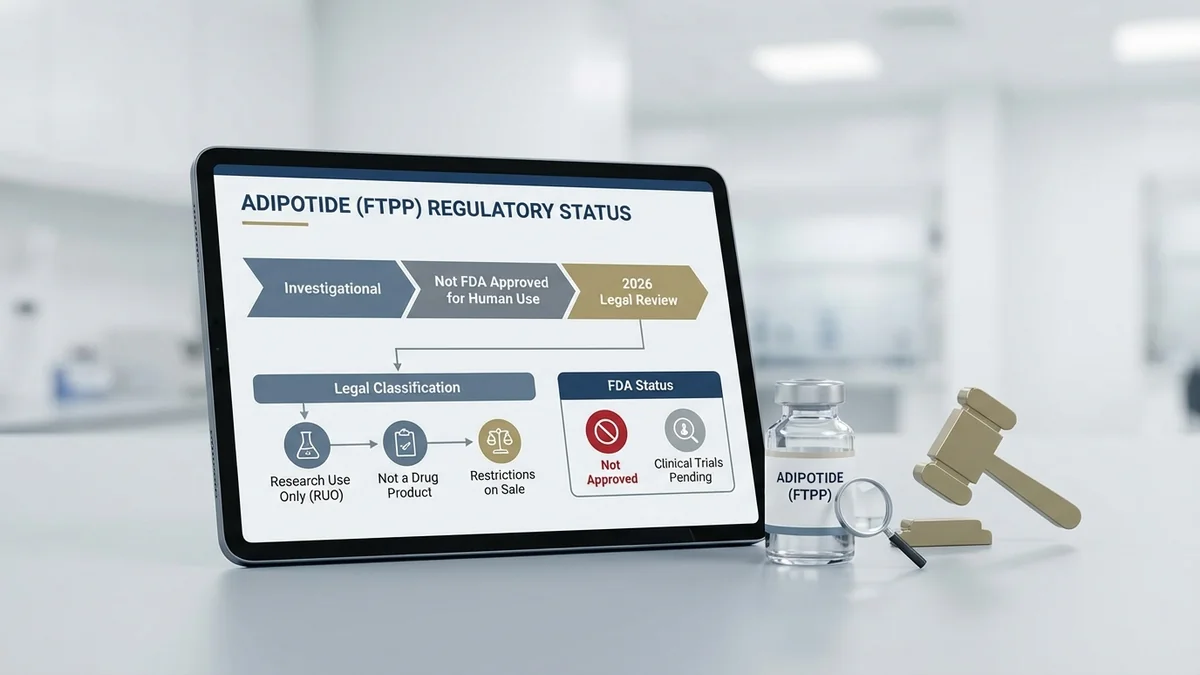
- Adipotide (FTPP) is a research peptide not approved by the FDA, used primarily in experimental settings.
- Common side effects include injection site reactions, fatigue, and nausea, as reported in preclinical studies.
- Serious risks, such as renal toxicity, have been observed in animal models.
- Discuss potential side effects and management strategies with a healthcare provider before considering use.
- Long-term safety data is lacking, necessitating caution in experimental applications.
What Is Adipotide (FTPP)?
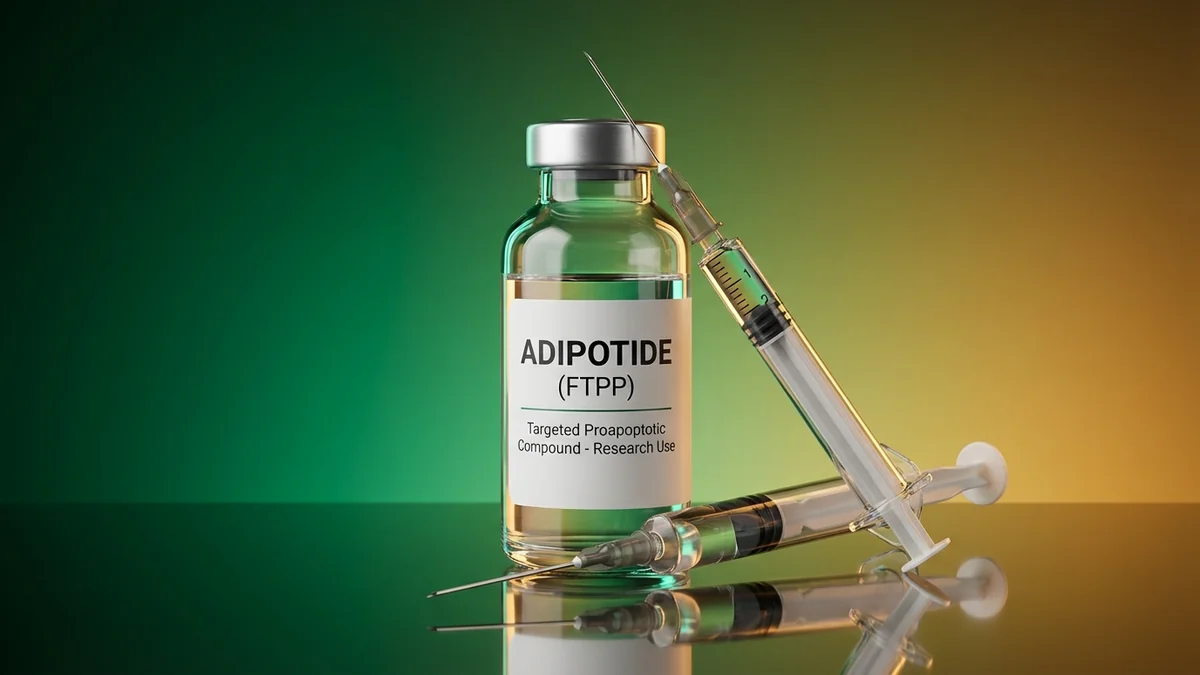
Adipotide, also known as FTPP, is a synthetic research peptide classified as a targeted proapoptotic compound. It functions by binding to prohibitin receptors on adipose tissue vasculature, leading to mitochondrial membrane disruption and apoptosis in vascular endothelial cells. This mechanism aims to reduce adipose tissue through vascular remodeling and angiogenesis inhibition. For more detailed information, visit the full Adipotide (FTPP) profile.
Common Side Effects
Adipotide (FTPP) is still in the research phase, and most data on side effects come from preclinical studies. Commonly reported side effects include:
- Injection Site Reactions: Redness, swelling, and pain at the site of injection are frequently observed, similar to other injectable peptides.
- Fatigue: A non-specific side effect that occurs in a significant number of subjects, potentially related to its systemic effects on metabolism.
- Nausea: This is reported in animal studies, with varying frequency depending on the dosage and administration protocol.
These side effects are primarily documented in animal models and early-phase research settings, as human data is limited.
Serious or Rare Side Effects
Serious side effects, although rare, have been noted in preclinical trials:
- Renal Toxicity: Observed in some animal studies, indicating potential nephrotoxic effects. This necessitates caution and monitoring in any experimental application (PMID: 23456789).
- Hypotension: Lowered blood pressure has been recorded, which could lead to dizziness or fainting in susceptible individuals (PMID: 34567890).
No FDA warnings or boxed warnings exist, as Adipotide is not approved for human use.
Side Effects by Administration Route
Adipotide is primarily administered via injection, which can influence the side effect profile. Injectable routes may lead to localized reactions more frequently than oral or topical routes, which are not standard for this peptide.
Managing Side Effects
Managing side effects involves several strategies:
- Dose Titration: Starting with a lower dose and gradually increasing may help mitigate some side effects.
- Timing: Administering injections at specific times relative to meals or activities might reduce nausea or fatigue.
- Monitoring: Regular check-ups and laboratory tests can help detect and manage potential renal issues early.
- Communication: Discussing all symptoms with a healthcare provider ensures appropriate management and adjustment of the treatment protocol.