
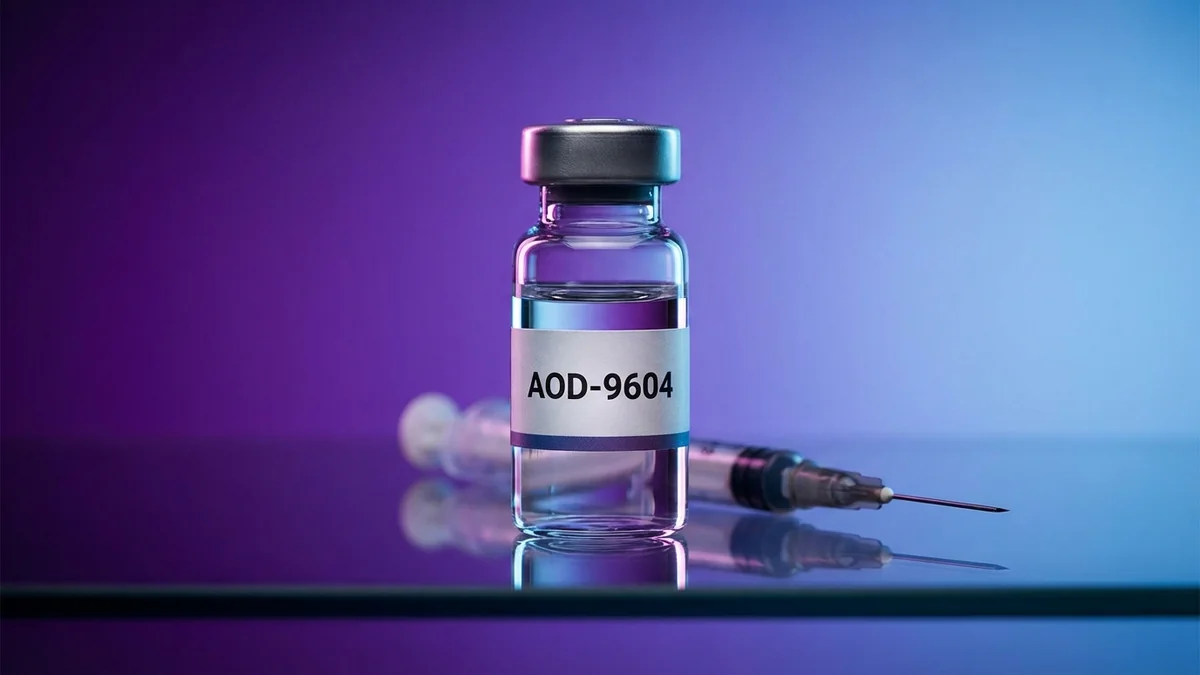
AOD-9604 Side Effects: What to Know Before Starting Treatment
Key Takeaways
- AOD-9604 is not FDA-approved and is available for research purposes only.
- Common side effects include localized injection site reactions and transient headaches.
- Serious side effects are rare but may include allergic reactions.
- The peptide is administered via subcutaneous injection, influencing its side effect profile.
- Discuss potential side effects with your healthcare provider before starting treatment.
What Is AOD-9604?
AOD-9604 is a research peptide derived from the human growth hormone sequence, specifically amino acids 177–191. It is primarily used in metabolic research to explore its effects on lipid and glucose metabolism through β-adrenergic and AMPK-related pathways. For more detailed information, visit the full AOD-9604 profile.
Common Side Effects
AOD-9604 administration can lead to several common side effects, though the frequency and severity can vary:
- Injection Site Reactions: Many patients report mild pain, redness, or swelling at the site of injection. These are generally transient and resolve without intervention.
- Headaches: Anecdotal reports suggest headaches occur in some users, though specific frequency data from clinical trials is lacking.
- Nausea: This side effect is less commonly reported but can occur, particularly when doses are not well-tolerated initially.
The current data on AOD-9604 is primarily from preclinical studies and anecdotal reports, as reflected in PMID 15134286 and PMID 24124033.
Serious or Rare Side Effects
While serious side effects are uncommon, they can occur:
- Allergic Reactions: Though rare, some individuals may experience allergic reactions, characterized by rash, itching, or swelling, particularly if the peptide is not pure.
- Cardiovascular Effects: There are concerns about potential cardiovascular effects due to its action on metabolic pathways, though concrete data is limited.
As AOD-9604 is not FDA-approved, there are no formal warnings or contraindications. However, caution is advised due to its experimental status.
Side Effects by Administration Route
AOD-9604 is typically administered via subcutaneous injection. This route can influence side effects, particularly localized reactions. Unlike oral or topical routes, injection ensures higher bioavailability but may increase the risk of site-specific reactions.
Managing Side Effects
Managing side effects involves several strategies:
- Dose Titration: Starting with a lower dose and gradually increasing can help mitigate side effects like nausea and headaches.
- Injection Technique: Rotating injection sites and ensuring proper technique can reduce localized reactions.
- Medical Consultation: Always discuss any adverse effects with your healthcare provider, especially if they persist or worsen.