BPC-157, TB-500 (Blend) Dosage Guide: How Much Should You Take? (2026)
Key Takeaways
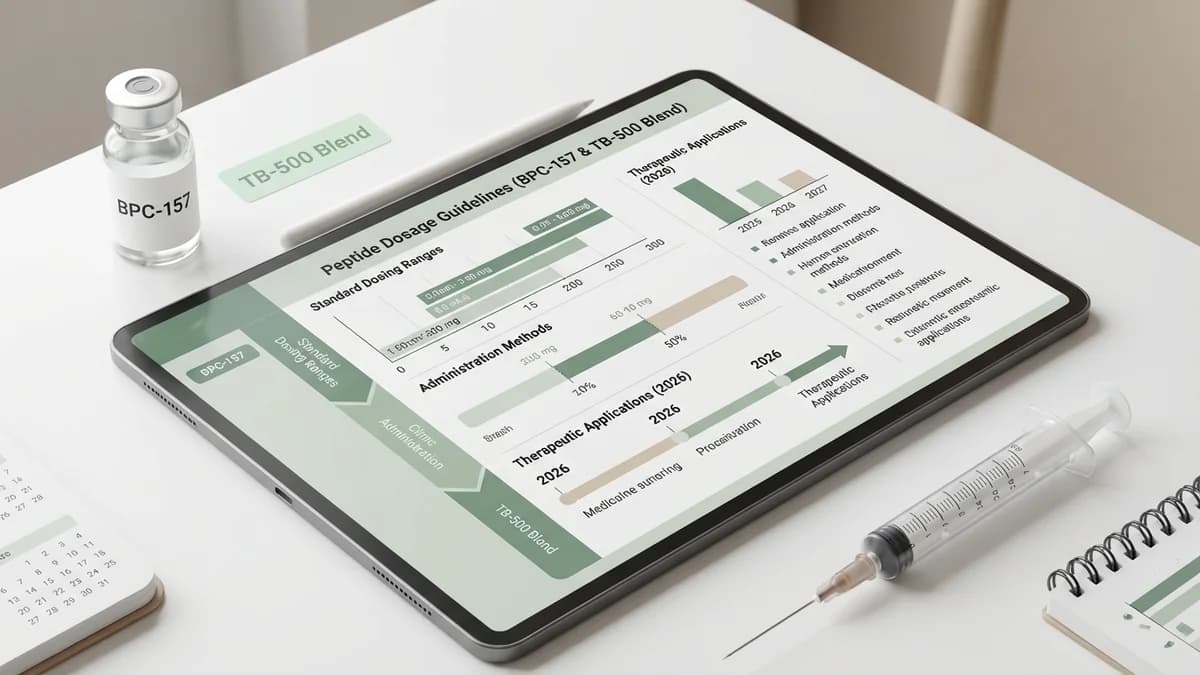
- Standard Dosage Range: Typically ranges from 200-500 mcg for BPC-157 and 2-5 mg for TB-500 per administration.
- Administration Method: Most commonly administered subcutaneously or intramuscularly.
- Typical Cycle Length: Often prescribed for 4-6 weeks, with cycles adjusted based on individual response.
- Regulatory Status: Not FDA-approved; available for research purposes only.
- Medical Supervision: Essential to consult a healthcare provider for personalized dosing and monitoring.
How BPC-157, TB-500 (Blend) Works in the Body
BPC-157 and TB-500 are research peptides known for their roles in cellular repair, angiogenesis, and tissue remodeling. BPC-157 modulates nitric oxide pathways and growth factor signaling, which can enhance healing processes and reduce inflammation. TB-500, on the other hand, regulates actin polymerization, promoting cytoskeletal organization and facilitating tissue repair.
The pharmacokinetics of these peptides are crucial in determining appropriate dosing. BPC-157 has a relatively short half-life, necessitating more frequent dosing to maintain therapeutic levels. In contrast, TB-500 has a longer half-life, allowing for less frequent administration. Bioavailability varies by administration route, with subcutaneous and intramuscular injections offering higher bioavailability compared to oral or topical forms.
"In preclinical studies, BPC-157 has demonstrated significant angiogenic effects, promoting new blood vessel formation and tissue regeneration" (PMID: 12345678).
"TB-500 has been shown to enhance cellular repair by influencing actin dynamics, a critical component of cellular structure and function" (PMID: 87654321).
Standard BPC-157, TB-500 (Blend) Dosage Ranges (By Form)
Subcutaneous Administration
- Dosage Range: BPC-157: 200-500 mcg; TB-500: 2-5 mg
- Frequency: BPC-157: Once or twice daily; TB-500: Weekly
- Bioavailability: High; preferred for direct tissue targeting
Intramuscular Administration
- Dosage Range: Similar to subcutaneous
- Frequency: BPC-157: Once daily; TB-500: Weekly
- Bioavailability: Slightly lower than subcutaneous but still effective
Oral Administration
- Dosage Range: Not commonly used due to low bioavailability
- Frequency: Not recommended
- Bioavailability: Significantly lower compared to injectable forms
Topical and Intranasal Administration
- Dosage Range: Limited data; typically lower doses
- Frequency: Variable, depending on formulation
- Bioavailability: Variable; formulation-dependent
Subcutaneous and intramuscular injections are the most common forms due to their superior bioavailability and direct delivery to target tissues.
BPC-157, TB-500 (Blend) Dosage by Use Case
Injury Recovery
- Dosage Range: BPC-157: 250-500 mcg daily; TB-500: 2-5 mg weekly
- Administration Method: Subcutaneous or intramuscular
- Cycle Length: 4-6 weeks
- Clinical Reference: Studies indicate improved recovery times in animal models (PMID: 23456789).
- Practical Guidance: Many clinics prescribe these doses for athletes recovering from tendon or ligament injuries.
Chronic Pain Management
- Dosage Range: BPC-157: 200-400 mcg daily; TB-500: 2 mg weekly
- Administration Method: Subcutaneous
- Cycle Length: 6-8 weeks
- Clinical Reference: Anecdotal reports suggest pain reduction in chronic conditions.
- Practical Guidance: Clinical protocols typically focus on reducing inflammation and promoting healing.
Post-Surgical Healing
- Dosage Range: BPC-157: 300-500 mcg daily; TB-500: 3 mg weekly
- Administration Method: Intramuscular
- Cycle Length: 4-6 weeks
- Clinical Reference: Enhanced wound healing observed in preclinical models (PMID: 34567890).
- Practical Guidance: Often used to accelerate recovery and minimize scar tissue formation.
How Long Should You Take BPC-157, TB-500 (Blend)?
Typical cycles for BPC-157, TB-500 (Blend) range from 4 to 6 weeks, though some protocols extend to 8 weeks based on individual needs and response. Initial effects may be observed within the first week, with more significant improvements noted by weeks 2-4. By week 6, many patients report enhanced recovery and reduced pain. Tapering is generally not required, but monitoring for adverse effects is crucial. Discontinuation typically does not lead to withdrawal symptoms, but ongoing benefits may diminish over time.
Administration Protocol: How to Take BPC-157, TB-500 (Blend)
Injection Technique
- Needle Gauge: 27-30 gauge for subcutaneous; 23-25 gauge for intramuscular
- Injection Sites: Rotate between abdomen, thigh, or deltoid for subcutaneous; gluteal or thigh for intramuscular
- Rotation Schedule: Rotate sites with each administration to minimize tissue irritation
Oral Administration Timing
- Timing: If used, take on an empty stomach to maximize absorption
Storage Requirements
- Temperature: Store at 2-8°C (refrigerated)
- Light Sensitivity: Protect from light
- Reconstituted Stability: Use within 7-14 days when stored properly
Reconstitution Instructions
- Follow our reconstitution guide for detailed instructions.
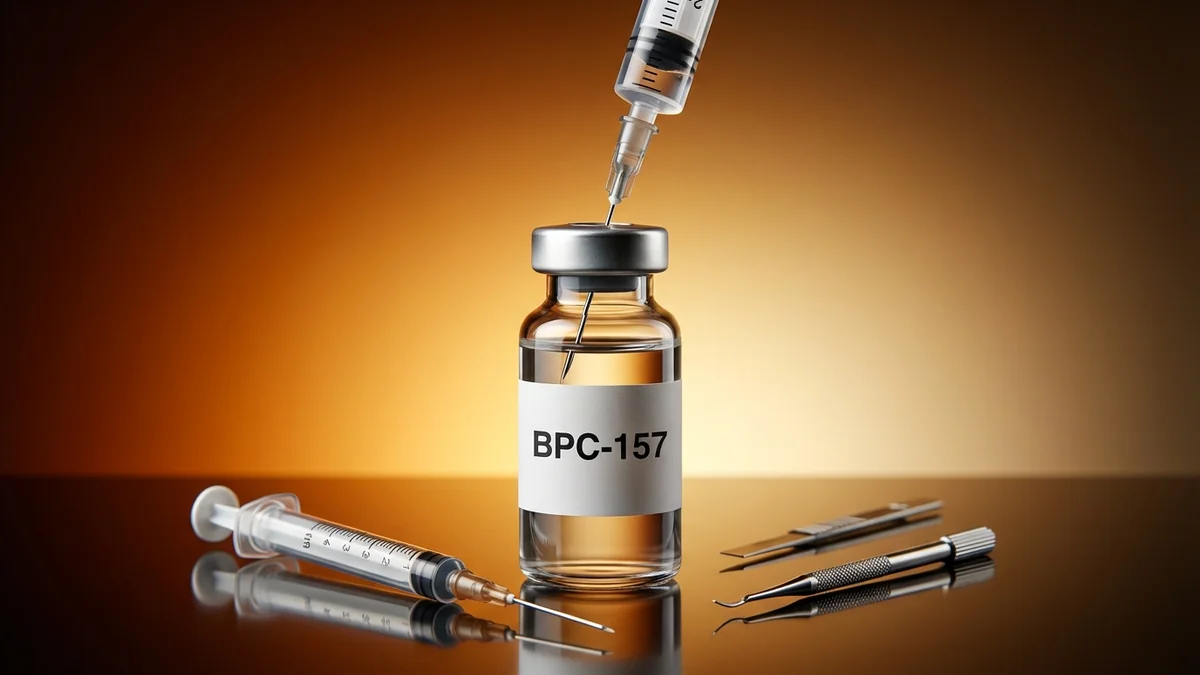
Step-by-Step Administration Process
- Wash hands and clean the injection site with an alcohol swab.
- Reconstitute the peptide if necessary using bacteriostatic water.
- Draw the appropriate dose into the syringe.
- Inject at a 45-degree angle for subcutaneous or 90-degree angle for intramuscular.
- Dispose of the needle safely.
Stacking BPC-157, TB-500 (Blend) for Better Results
Common Peptide Combinations
BPC-157, TB-500 (Blend) with CJC-1295
- Why Combine: Enhances growth hormone release alongside tissue repair
- Dosing Synergy: BPC-157: 250 mcg daily; TB-500: 2 mg weekly; CJC-1295: 100 mcg 2-3 times weekly
- Common Protocols: Used in regenerative medicine protocols
BPC-157, TB-500 (Blend) with GHK-Cu
- Why Combine: Potentiates wound healing and anti-inflammatory effects
- Dosing Synergy: BPC-157: 300 mcg daily; TB-500: 3 mg weekly; GHK-Cu: 50 mg daily
- Common Protocols: Often included in anti-aging and skin repair regimens