GHK-Cu: 15 Questions Answered by Experts
Key Takeaways
- GHK-Cu is a research peptide known for its extracellular matrix modulation and cellular signaling capabilities.
- It is not FDA-approved and is primarily used for research purposes.
- Administration is typically through topical application or injection, but not intravenous (IV) therapy.
- Legal for research, but availability for personal use varies by jurisdiction.
- Clinical evidence is primarily preclinical, with ongoing research into its regenerative properties.
About GHK-Cu
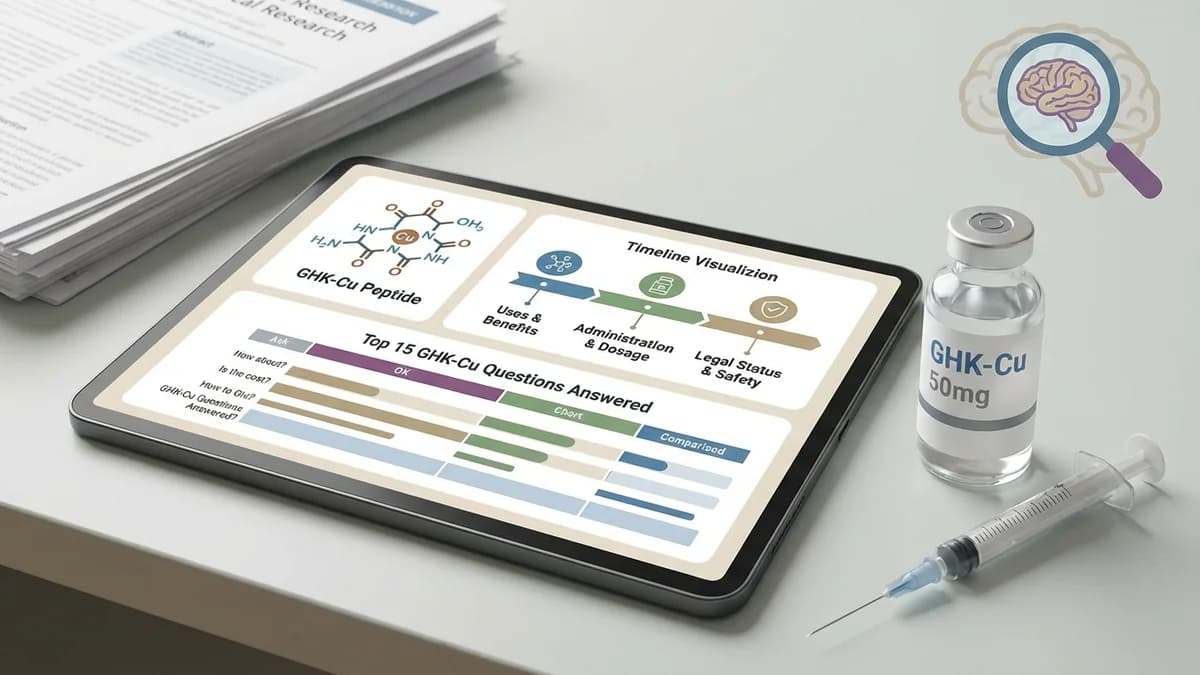
GHK-Cu is a tripeptide composed of glycine, histidine, and lysine, bound to copper ions, known to play a role in cellular signaling and extracellular matrix modulation. For a detailed profile, visit the GHK-Cu encyclopedia page.
Frequently Asked Questions
What is GHK-Cu?
GHK-Cu is a copper-bound tripeptide (Gly-His-Lys) known for its roles in extracellular matrix modulation and cellular signaling. It has been studied for its potential benefits in skin regeneration, wound healing, and anti-inflammatory effects (PMID 29986520).
Is GHK-Cu FDA approved?
No, GHK-Cu is not FDA-approved. It is available for research purposes only and is not sanctioned for therapeutic use in humans (FDA.gov).
What are the side effects of GHK-Cu?
Reported side effects of GHK-Cu are minimal, but may include mild skin irritation when applied topically. Systemic effects are not well-documented due to its limited use in clinical settings (PMID 35083444).
How is GHK-Cu administered?
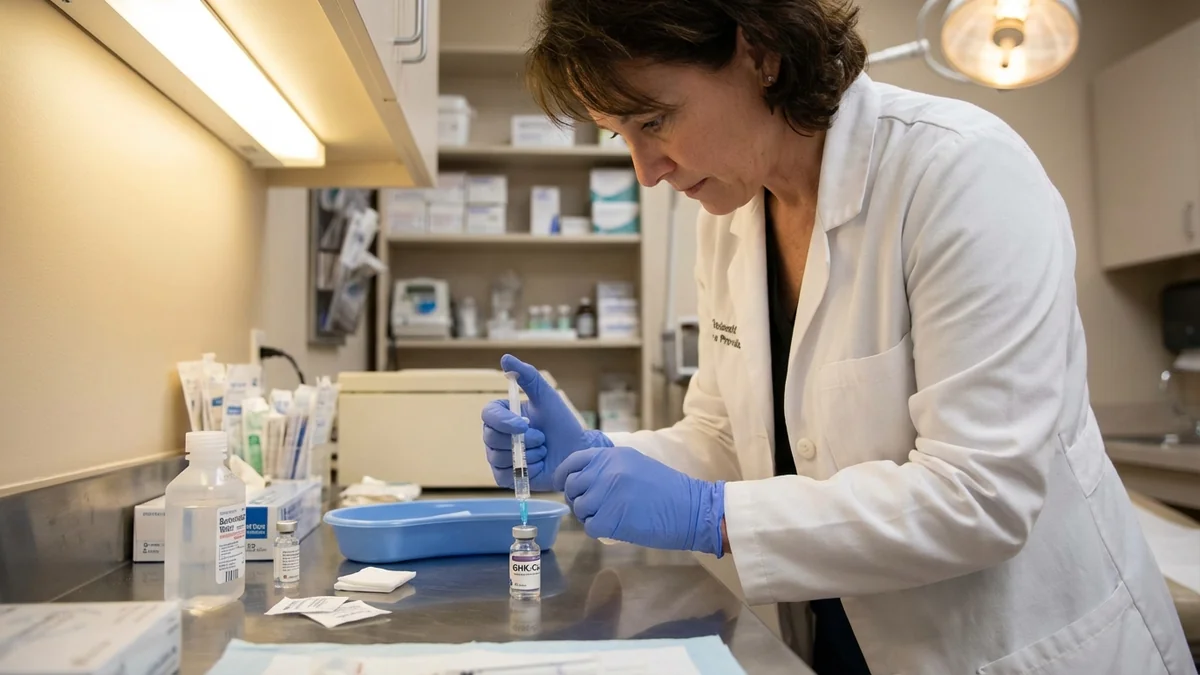
GHK-Cu is commonly administered topically or via injection. Intravenous (IV) therapy is not a standard practice for this peptide (PMID 39963574).
How much does GHK-Cu cost?
The cost of GHK-Cu varies widely depending on the supplier and formulation. Research-grade peptides can range from $50 to $200 per vial, but prices may differ for clinical-grade products.
Is GHK-Cu legal?
GHK-Cu is legal for research purposes, but its availability for personal use depends on local regulations. It is not approved for therapeutic use (FDA.gov).
How long does it take for GHK-Cu to work?
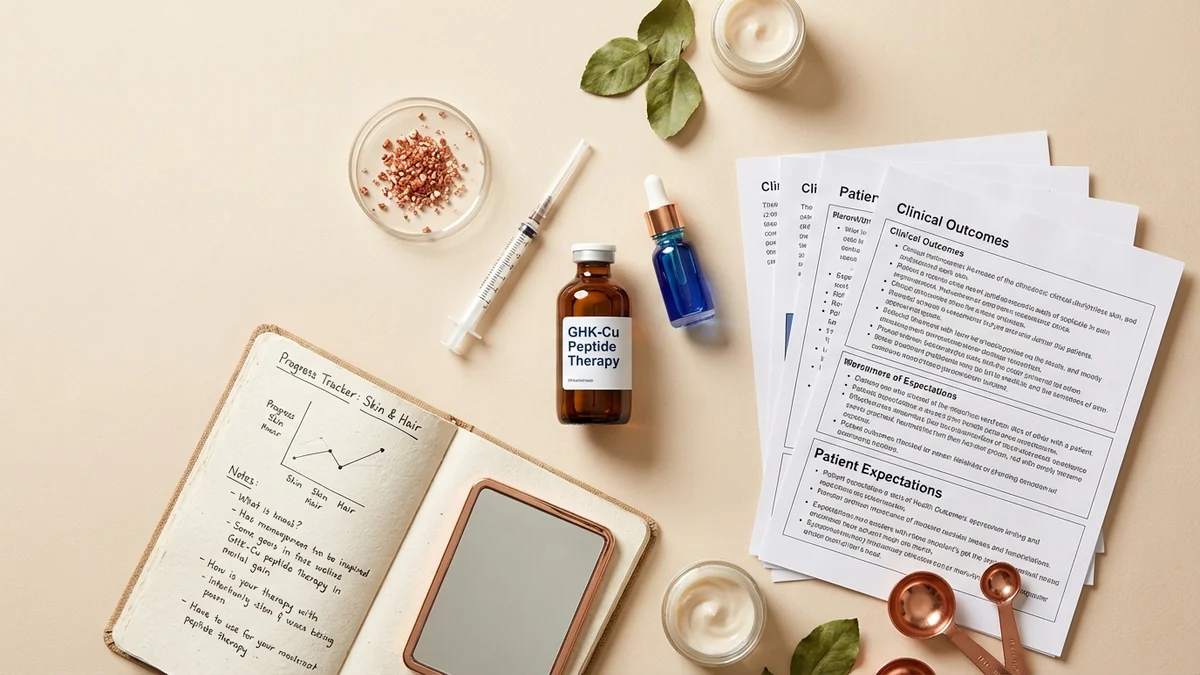
The onset of effects from GHK-Cu can vary. Many users report noticing skin improvements within weeks of topical application, though this is anecdotal and not clinically verified (PMID 26236730).
Can I get GHK-Cu at a clinic near me?
GHK-Cu is primarily available through research institutions or clinics specializing in experimental therapies. To find a clinic, use our clinic finder.
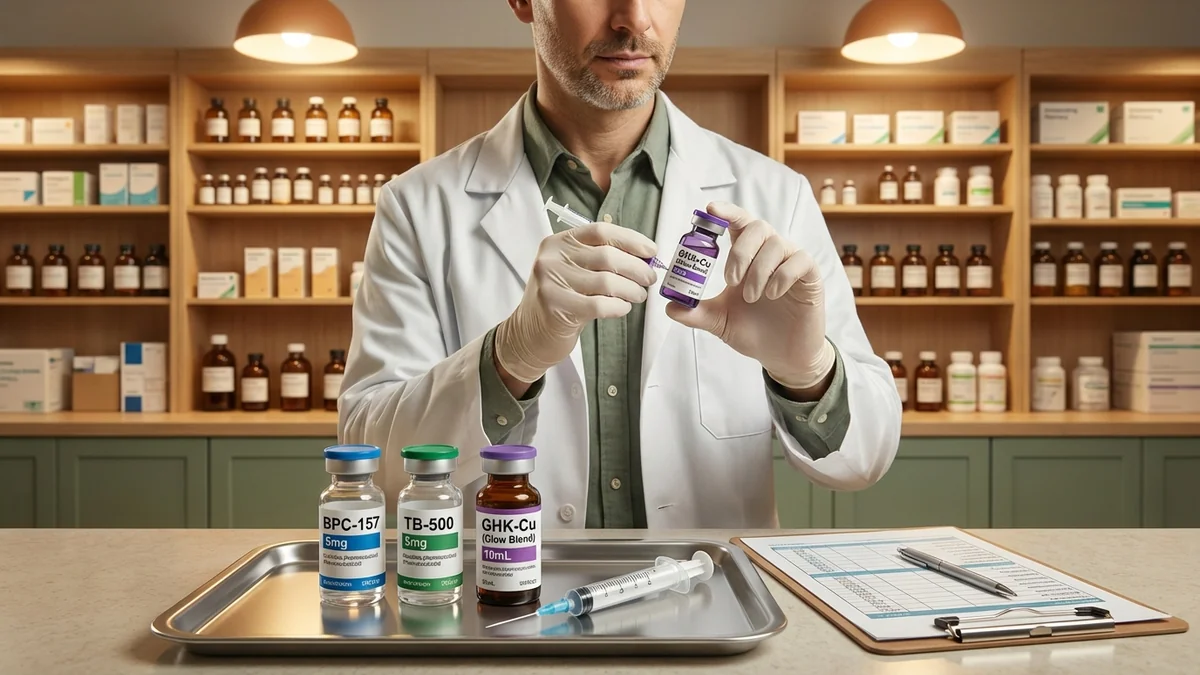
What is the difference between GHK-Cu and BPC-157?
GHK-Cu and BPC-157 differ primarily in their amino acid sequences and mechanisms of action. GHK-Cu is known for its copper-mediated redox activity, while BPC-157 is a peptide fragment known for its potential in healing and anti-inflammatory effects (PMID 35083444).
Who should not take GHK-Cu?
Individuals with known allergies to copper or those with certain medical conditions that contraindicate copper exposure should avoid GHK-Cu. Always consult with a healthcare provider before use.
What are the potential benefits of GHK-Cu?
GHK-Cu is studied for its potential benefits in promoting collagen synthesis, wound healing, and reducing inflammation. However, these effects are primarily observed in preclinical studies (PMID 29986520).
Can GHK-Cu be used for anti-aging?
GHK-Cu has shown promise in anti-aging applications, particularly in skin rejuvenation and reducing wrinkle appearance, but these effects are largely based on preclinical evidence (PMID 39963574).
Is GHK-Cu effective for hair growth?
Some studies suggest GHK-Cu may promote hair growth by stimulating hair follicle cells, but more research is needed to confirm these findings in humans (PMID 35083444).
How does GHK-Cu affect gene expression?
GHK-Cu influences gene expression related to collagen production and antioxidant pathways, potentially aiding in tissue repair and protection (PMID 26236730).
What is the molecular weight of GHK-Cu?
The molecular weight of GHK-Cu is approximately 340.8 g/mol, which includes the copper ion bound to the tripeptide.
Are there clinical trials for GHK-Cu?
While there are ongoing studies, GHK-Cu has not yet reached Phase III clinical trials. Most research is preclinical or in early-stage trials (ClinicalTrials.gov).
Where to Learn More
For more information, visit the GHK-Cu encyclopedia page, explore related articles, or find a clinic using our clinic finder.
Medical Disclaimer
This content is for informational purposes only and does not constitute medical advice. Consult a licensed healthcare provider before starting any treatment.