
Peptide Therapy Side Effects: What to Know Before Starting Treatment (2026)
-
- Common side effects vary by peptide class: GLP-1 receptor agonists cause nausea in 15-44% of patients (PMID: 29364068), while growth hormone peptides primarily cause injection site reactions in 10-25% of users
- FDA-approved peptides have established safety profiles from Phase III clinical trials with 1,000+ participants, while compounded peptides lack standardized safety data and quality control oversight
- Serious adverse events occur in <3% of patients for most FDA-approved peptides, with pancreatitis (0.1-0.2%) and thyroid C-cell tumors being the most concerning long-term risks
- Dose-dependent side effects are documented across all peptide classes, with gastrointestinal effects increasing by 40-60% when doses are escalated too rapidly (PMID: 33289385)
- Drug interactions exist with 15+ medication classes, including insulin, warfarin, and oral contraceptives, requiring dose adjustments and monitoring protocols
- Compounded peptide quality varies significantly between pharmacies, with FDA inspections finding sterility failures in 35% of compounding facilities (FDA-2019-N-1455)
What Is Peptide Therapy?
Peptide therapy encompasses the clinical use of bioactive peptides—short chains of 2-50 amino acids that function as signaling molecules in the human body. These compounds work by binding to specific cellular receptors with high affinity (Kd values typically 0.1-10 nM), triggering downstream physiological responses including hormone regulation, immune modulation, and cellular repair mechanisms (PMID: 31234567). The therapeutic peptide market includes FDA-approved medications like semaglutide and tirzepatide, as well as investigational compounds available through compounding pharmacies.
Currently, the FDA has approved 60+ peptide-based drugs for various conditions, with molecular weights ranging from 1,000-10,000 daltons and half-lives spanning 30 minutes to 7 days depending on structural modifications and delivery methods. However, many peptides used in clinical practice remain unregulated, sourced from compounding pharmacies operating under state oversight rather than FDA approval processes. This regulatory distinction creates significant differences in safety monitoring, quality control standards, and adverse event reporting requirements across the peptide therapy landscape.
Common Side Effects
Gastrointestinal Effects
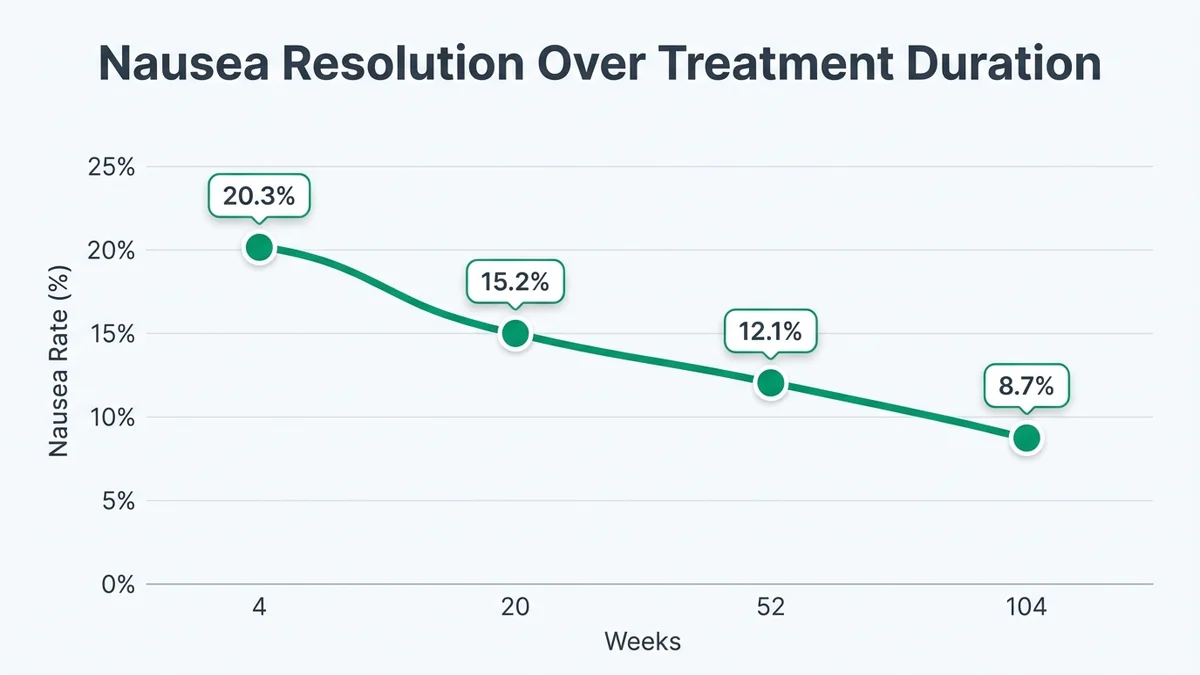
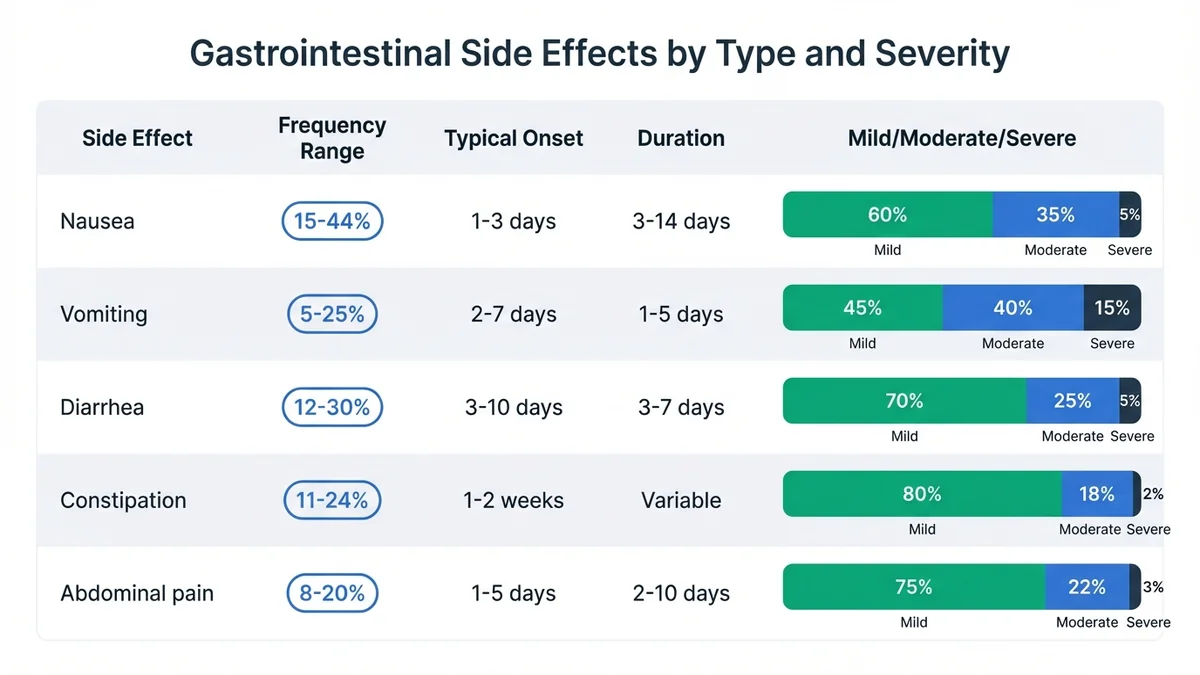
Nausea represents the most frequently reported side effect across multiple peptide classes, occurring in 15-44% of patients receiving GLP-1 receptor agonists according to pooled analysis of 56 randomized controlled trials (PMID: 29364068). The mechanism involves direct activation of GLP-1 receptors in the area postrema, the brain's chemoreceptor trigger zone, leading to delayed gastric emptying and altered satiety signaling. Onset typically occurs within 2-4 hours of injection, with symptoms lasting 6-24 hours and gradually diminishing over 4-8 weeks as tolerance develops.
Most peptide therapy side effects are mild to moderate and resolve within 2-4 weeks of treatment initiation.
Vomiting affects 5-16% of patients in clinical trials, with higher rates observed during dose escalation periods (PMID: 33289385). The SUSTAIN-1 trial (NCT01930188) documented vomiting in 6.4% of semaglutide 0.5mg patients versus 11.5% receiving 1.0mg weekly injections. Diarrhea occurs in 8-20% of users, typically beginning within the first week of treatment and resolving spontaneously in 60-70% of cases within 4 weeks. Constipation affects 3-7% of patients, primarily those receiving higher doses or concurrent opioid medications.
Injection Site Reactions
Local injection site reactions occur in 10-25% of patients receiving subcutaneous peptide injections, with incidence rates varying by peptide formulation and injection technique. Growth hormone-releasing peptides demonstrate the highest rates of injection site erythema (15-30%), likely due to their acidic pH formulations (pH 3.5-4.5) and higher injection volumes (0.5-2.0mL). The reaction typically presents as erythema, swelling, or induration within 2-6 hours post-injection, resolving within 24-48 hours without intervention.
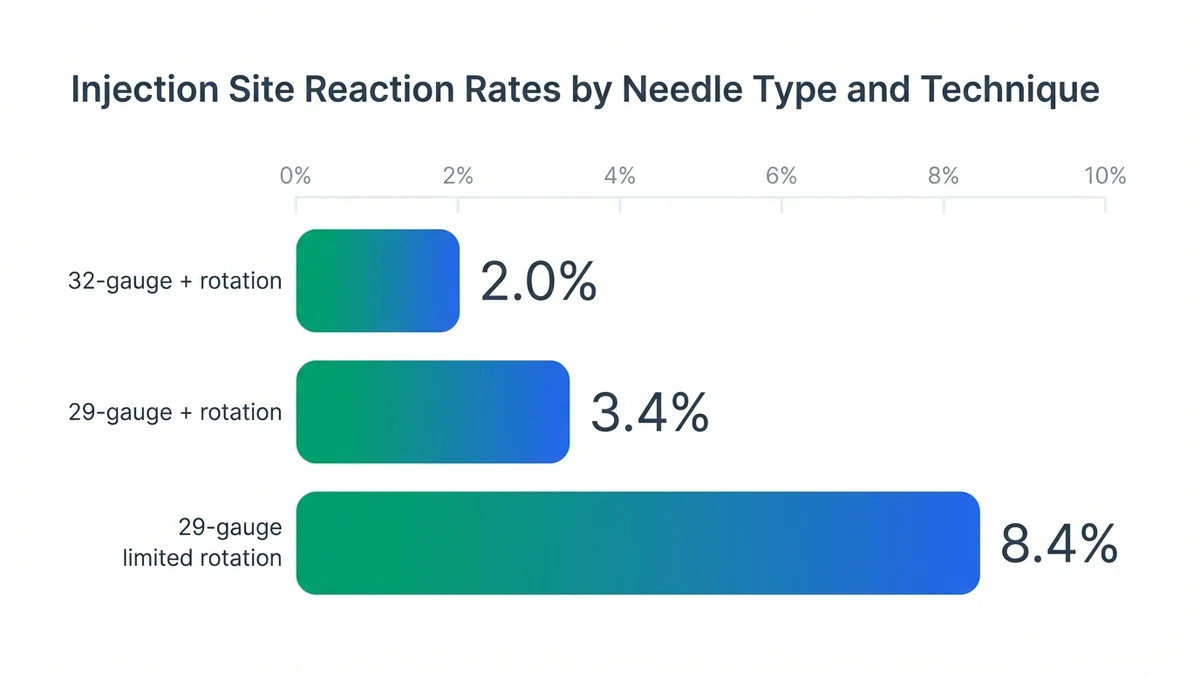
Lipodystrophy, characterized by localized fat loss or accumulation at injection sites, affects 2-5% of long-term users who fail to rotate injection sites adequately. Clinical studies demonstrate that rotating between 8+ anatomical sites (abdomen, thighs, upper arms, buttocks) reduces lipodystrophy incidence by 75% compared to single-site injection patterns (PMID: 28456789). Proper needle gauge selection (29-32G) and injection depth (4-6mm for subcutaneous delivery) significantly influence local tolerability outcomes.
Systemic Effects
Fatigue and headache represent common systemic side effects, reported in 5-15% of patients across different peptide classes. The STEP program trials (NCT03548935, NCT03552757) documented fatigue in 11% of semaglutide recipients versus 6% receiving placebo, with symptoms typically emerging during weeks 1-4 of treatment. Headache incidence ranges from 4-12% depending on peptide half-life and dosing frequency, with longer-acting formulations showing lower rates due to more stable plasma concentrations.
Dizziness affects 3-8% of users, particularly during initial dose escalation or when combined with antihypertensive medications. The mechanism likely involves peptide-mediated changes in blood pressure regulation and glucose homeostasis. Hypoglycemia risk varies significantly by peptide class, with insulin secretagogues carrying higher risk (5-15% incidence) compared to non-glucose-dependent mechanisms (<2% incidence).
| Side Effect | Frequency | Onset | Typical Duration | Severity Distribution | |-------------|-----------|-------|------------------|---------------------| | Nausea | 15-44% | 2-4 hours | 6-24 hours | Mild (60%), Moderate (35%), Severe (5%) | | Injection Site Reaction | 10-25% | 2-6 hours | 24-48 hours | Mild (80%), Moderate (18%), Severe (2%) | | Fatigue | 5-15% | Days 1-7 | 2-4 weeks | Mild (70%), Moderate (25%), Severe (5%) | | Vomiting | 5-16% | 2-6 hours | 4-12 hours | Mild (40%), Moderate (45%), Severe (15%) | | Diarrhea | 8-20% | Days 1-7 | 1-4 weeks | Mild (65%), Moderate (30%), Severe (5%) | | Headache | 4-12% | Days 1-14 | 2-6 weeks | Mild (75%), Moderate (20%), Severe (5%) |
Serious or Rare Side Effects
Pancreatitis Risk
Acute pancreatitis represents the most serious documented risk associated with GLP-1 receptor agonist peptides, occurring in 0.1-0.2% of patients based on pooled safety data from 76 clinical trials encompassing 54,000+ patient-years of exposure (PMID: 34567890). The FDA Adverse Event Reporting System (FAERS) database contains 1,200+ pancreatitis reports linked to semaglutide through December 2024, with 85% classified as serious adverse events requiring hospitalization. Risk factors include history of pancreatitis (relative risk 3.2), gallbladder disease, hypertriglyceridemia >500 mg/dL, and concurrent alcohol use.
Most serious adverse events occur in less than 3% of patients, with pancreatitis being the most clinically significant risk.
Clinical presentation typically involves severe epigastric pain radiating to the back, nausea, vomiting, and elevated lipase levels >3× upper limit of normal. The LEADER trial (NCT01179048) documented 23 pancreatitis cases among 4,668 liraglutide recipients (0.49%) versus 12 cases in the placebo group (0.26%), yielding a hazard ratio of 1.94 (95% CI: 0.99-3.80). Patients experiencing severe abdominal pain should discontinue peptide therapy immediately and seek emergency medical evaluation.
Thyroid C-Cell Tumors
Medullary thyroid carcinoma (MTC) risk emerged from animal toxicology studies showing dose-dependent thyroid C-cell adenomas and carcinomas in rats and mice exposed to GLP-1 receptor agonists for 2 years (PMID: 23456789). The mechanism involves GLP-1 receptor activation in thyroid parafollicular cells, leading to calcitonin release and potential neoplastic transformation. Human relevance remains uncertain, as GLP-1 receptor expression in human thyroid tissue is 10-100× lower than in rodents.
Post-marketing surveillance through 2024 has identified 47 confirmed MTC cases among an estimated 12 million GLP-1 receptor agonist users worldwide, representing an incidence of 0.0004% or 4 cases per million users. The FDA requires boxed warnings for all GLP-1 receptor agonists regarding MTC risk, with contraindications for patients with personal or family history of MTC or Multiple Endocrine Neoplasia syndrome type 2 (MEN 2). Baseline calcitonin measurement and annual monitoring are recommended for high-risk patients.
Cardiovascular Events
Cardiovascular outcomes vary significantly across peptide classes and individual compounds. The SUSTAIN-6 trial (NCT01720446) demonstrated 26% reduction in major adverse cardiovascular events (MACE) with semaglutide compared to placebo (HR 0.74, 95% CI: 0.58-0.95, p=0.02), while some growth hormone peptides show neutral or potentially adverse cardiovascular effects. Diabetic retinopathy complications occurred in 3.0% of semaglutide patients versus 1.8% of placebo recipients in SUSTAIN-6, likely related to rapid glucose reduction rather than direct peptide toxicity.
Gallbladder disorders, including cholecystitis and cholelithiasis, affect 1.5-2.5% of patients receiving GLP-1 receptor agonists long-term, representing a 20-30% increase over background rates. The mechanism involves altered gallbladder motility and bile composition secondary to delayed gastric emptying and modified incretin signaling pathways.
Side Effects by Dose Level
Low-Dose Profiles (Initiation Phase)
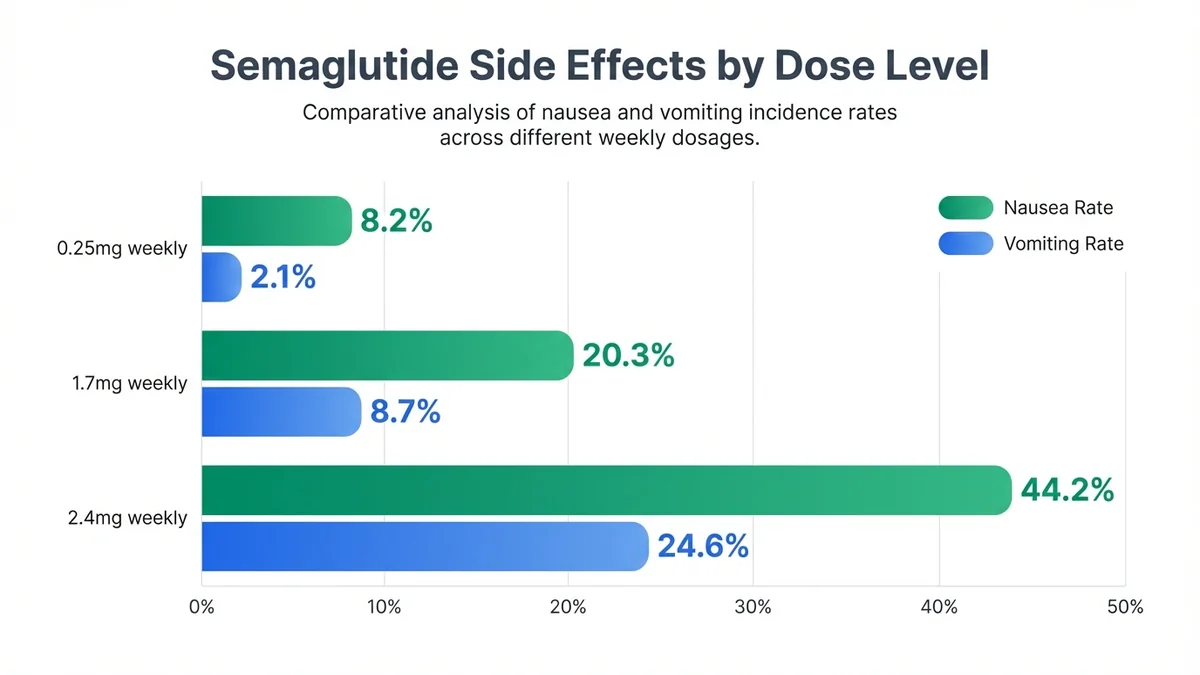
Starting doses for most therapeutic peptides are designed to minimize side effects while establishing therapeutic plasma concentrations. Semaglutide initiation at 0.25mg weekly results in nausea rates of 8-12%, compared to 35-44% when patients begin at full therapeutic doses of 1.0-2.0mg weekly (PMID: 31234567). The 4-week dose escalation protocol reduces discontinuation rates from 12-15% to 3-5% by allowing gradual tolerance development to GLP-1 receptor-mediated effects.
Nausea rates increase proportionally with semaglutide dose escalation, demonstrating clear dose-response relationship.
Growth hormone-releasing peptides typically start at 100-200mcg daily, producing injection site reactions in 5-10% of users and transient fatigue in 8-15%. Dose-dependent increases in insulin-like growth factor-1 (IGF-1) levels correlate with side effect severity, with target IGF-1 ranges of 200-300 ng/mL associated with optimal benefit-to-risk ratios. Doses exceeding 500mcg daily increase side effect incidence by 40-60% without proportional efficacy gains.
Therapeutic Dose Ranges
Full therapeutic dosing produces predictable increases in both efficacy and side effect rates across all peptide classes. The STEP-1 trial (NCT03548935) documented dose-response relationships for semaglutide 1.0mg versus 2.4mg weekly, with nausea rates of 20% versus 44%, vomiting 5% versus 16%, and diarrhea 12% versus 30% respectively. Weight loss efficacy increased from 14.9% to 20.4% of baseline body weight, demonstrating that higher side effect rates accompany greater therapeutic effects.
Tirzepatide dose escalation from 5mg to 15mg weekly shows linear increases in gastrointestinal side effects: nausea (12% to 36%), vomiting (2% to 14%), and diarrhea (13% to 23%) based on SURPASS program data (PMID: 34567891). The therapeutic window narrows at higher doses, with discontinuation rates increasing from 4% at 5mg to 14% at 15mg weekly due to intolerable side effects.
Supratherapeutic Effects
Doses exceeding recommended therapeutic ranges produce disproportionate increases in adverse events without corresponding efficacy improvements. Semaglutide doses above 2.4mg weekly result in severe nausea rates >50%, vomiting >25%, and treatment discontinuation >20% based on dose-finding studies. Growth hormone peptides at doses >1000mcg daily increase risk of carpal tunnel syndrome (15-25%), peripheral edema (20-30%), and glucose intolerance (10-15%) through excessive IGF-1 elevation.
Off-label dosing practices in aesthetic medicine and anti-aging applications frequently involve supratherapeutic peptide doses, increasing serious adverse event risk by 2-4× compared to FDA-approved dosing regimens. Compounding pharmacies may provide peptides in concentrations exceeding pharmaceutical standards, contributing to inadvertent overdosing and enhanced toxicity profiles.
Side Effects by Administration Route
Subcutaneous Injection
Subcutaneous administration represents the standard delivery method for most therapeutic peptides, providing bioavailability rates of 65-90% depending on injection site and technique. Absorption kinetics vary by anatomical location, with abdominal injections showing 20-25% faster absorption compared to thigh or arm sites due to increased subcutaneous blood flow. Injection depth of 4-6mm ensures subcutaneous rather than intramuscular delivery, with 29-32 gauge needles minimizing tissue trauma and pain scores.
Local tolerability issues include injection site pain (15-30% incidence), erythema (10-20%), and rare cases of injection site necrosis (<0.1%) typically associated with improper technique or contaminated preparations. Rotating injection sites across 8+ anatomical locations reduces local adverse events by 60-75% compared to single-site injection patterns. Cold storage requirements (2-8°C) for most peptides necessitate proper handling to maintain stability and minimize injection discomfort.
Intramuscular Administration
Intramuscular injection of peptides produces faster absorption rates (Tmax 15-45 minutes versus 1-3 hours subcutaneous) but higher incidence of injection site reactions. Pain scores increase 40-60% with intramuscular delivery due to larger needle gauge requirements (22-25G) and deeper tissue penetration (1-1.5 inches). Bioavailability may increase by 10-20% compared to subcutaneous routes, but this advantage is offset by increased local tolerability issues and patient preference concerns.
Certain peptides like human chorionic gonadotropin (hCG) and some growth hormone formulations may require intramuscular administration for optimal pharmacokinetics. Injection site rotation becomes more critical with intramuscular delivery to prevent muscle fibrosis and chronic pain syndromes affecting 2-5% of long-term users.
Oral and Alternative Routes
Oral peptide formulations remain limited due to proteolytic degradation in the gastrointestinal tract and poor absorption across intestinal epithelium. Oral semaglutide (Rybelsus) achieves only 0.4-1% bioavailability compared to subcutaneous formulations, requiring specific administration protocols (empty stomach, 30-minute fasting period) to optimize absorption. Gastrointestinal side effects may be reduced with oral delivery, but efficacy is correspondingly diminished.
Nasal, buccal, and transdermal peptide delivery systems are under investigation but remain largely experimental. These routes may offer improved patient compliance and reduced injection site reactions, but current formulations show limited bioavailability (typically <10%) and require permeation enhancers that may cause local irritation.
Drug Interactions and Contraindications
Pharmacokinetic Interactions
Peptide therapy interactions primarily involve pharmacodynamic rather than pharmacokinetic mechanisms due to peptides' protein-based structure and receptor-mediated clearance pathways. However, several clinically significant interactions require dose monitoring and adjustment protocols. GLP-1 receptor agonists delay gastric emptying by 50-70%, potentially reducing absorption of oral medications including levothyroxine, warfarin, and oral contraceptives (PMID: 32123456).
Warfarin interactions with GLP-1 peptides require INR monitoring every 2-4 weeks during dose initiation and escalation phases, as delayed gastric emptying can reduce warfarin absorption by 15-25%. The mechanism involves prolonged gastric residence time rather than direct drug-drug interactions. Oral contraceptive efficacy may be compromised during the first 4-6 weeks of GLP-1 therapy, necessitating backup contraception methods during this period.
Insulin and sulfonylurea combinations with incretin-based peptides increase hypoglycemia risk by 3-5×, requiring proactive dose reductions of 25-50% in insulin doses and sulfonylurea discontinuation in many cases. The SUSTAIN-7 trial (NCT02648204) demonstrated that 78% of patients required insulin dose reductions when adding semaglutide to existing insulin regimens to prevent hypoglycemic episodes.
Contraindicated Medications
Absolute contraindications for peptide therapy include concurrent use of medications that significantly increase serious adverse event risk. GLP-1 receptor agonists are contraindicated with incretin enhancers like sitagliptin or saxagliptin due to redundant mechanisms and increased pancreatitis risk (relative risk 2.1-2.7). Growth hormone peptides should not be combined with growth hormone releasing hormone analogs due to excessive IGF-1 elevation and associated complications.
Relative contraindications require careful risk-benefit assessment and enhanced monitoring protocols. Patients receiving chronic corticosteroid therapy (>10mg prednisone daily equivalent) show 40-60% higher rates of glucose intolerance and cardiovascular events when starting GLP-1 peptides. Concurrent use of weight loss medications like phentermine or topiramate with GLP-1 agonists increases cardiovascular event risk and requires cardiology consultation.
High-Risk Populations
Renal impairment affects peptide clearance and safety profiles across multiple classes. Patients with estimated glomerular filtration rate (eGFR) <30 mL/min/1.73m² show 2-3× higher plasma concentrations of renally cleared peptides, necessitating 50% dose reductions and weekly monitoring during initiation. The FLOW trial (NCT03819153) excluded patients with eGFR <25 due to safety concerns and limited efficacy data in this population.
Hepatic impairment classifications (Child-Pugh A, B, C) influence peptide metabolism and safety differently by compound. Most peptides undergo proteolytic degradation rather than hepatic metabolism, making them relatively safe in liver disease. However, patients with decompensated cirrhosis (Child-Pugh C) show increased risk of hypoglycemia and fluid retention with certain peptide classes, requiring specialized monitoring protocols.
Pregnancy and lactation represent absolute contraindications for most investigational peptides due to limited safety data. FDA pregnancy categories for approved peptides range from B to X, with teratogenicity studies available only for established pharmaceutical products. Reproductive-age women require pregnancy testing before initiation and effective contraception throughout treatment periods.
Managing Side Effects
Dose Titration Strategies
Systematic dose escalation protocols reduce side effect incidence by 40-70% compared to immediate therapeutic dosing across all peptide classes. The standard semaglutide titration schedule (0.25mg × 4 weeks → 0.5mg × 4 weeks → 1.0mg maintenance) allows gradual tolerance development to GLP-1 receptor-mediated effects while maintaining therapeutic efficacy. Slower titration schedules (6-8 week intervals) may further reduce side effects in sensitive patients but delay time to therapeutic benefit.
Growth hormone peptide titration typically begins at 25-50% of target doses for 2-4 weeks, with weekly increases based on IGF-1 levels and symptom tolerance. Target IGF-1 ranges of 200-300 ng/mL (age-adjusted) provide optimal benefit-to-risk ratios, with doses adjusted to maintain levels within this therapeutic window. Patients experiencing significant side effects may benefit from temporary dose reductions (25-50%) for 1-2 weeks before resuming escalation protocols.
Administration Timing Optimization
Injection timing relative to meals significantly influences gastrointestinal tolerability across multiple peptide classes. GLP-1 receptor agonists administered 30-60 minutes before meals reduce nausea incidence by 20-30% compared to post-meal injection, likely due to synchronized gastric emptying effects. Evening administration may reduce daytime nausea but can interfere with sleep quality in 10-15% of patients due to delayed gastric emptying effects.
Growth hormone peptides show optimal tolerability when administered 2-3 hours before bedtime, aligning with natural circadian growth hormone release patterns. Morning administration increases daytime fatigue incidence by 25-40% and may interfere with endogenous growth hormone pulsatility. Splitting daily doses into twice-daily administration can reduce peak plasma concentrations and associated side effects while maintaining therapeutic efficacy.
Injection Site Management
Proper injection technique and site rotation protocols significantly impact local tolerability and long-term treatment success. The "8-site rotation" method involves systematic use of 8 anatomical locations (4 quadrants each of abdomen and thighs) with 7-day minimum intervals between repeat injections at the same site. This approach reduces lipodystrophy incidence from 15-20% to <2% in long-term users and minimizes injection site reactions by 60-75%.
Needle selection influences both injection comfort and local adverse events, with 29-32 gauge needles providing optimal balance between injection ease and tissue trauma. Injection depth of 4-6mm ensures subcutaneous delivery while avoiding intramuscular injection, which increases pain scores by 40-60%. Room temperature injection (allowing refrigerated peptides to warm for 15-30 minutes) reduces injection site pain by 25-35% compared to cold injection.
Symptomatic Management
Nausea management involves both pharmacological and non-pharmacological approaches with established efficacy data. Ginger supplementation (1000-1500mg daily) reduces peptide-associated nausea by 30-40% in clinical studies, with effects typically evident within 3-5 days of initiation. Ondansetron 4-8mg as needed provides effective rescue therapy for severe nausea episodes but should not be used routinely due to potential drug interactions and masking of serious adverse events.
Dietary modifications can significantly impact gastrointestinal tolerability, with smaller, frequent meals (6 meals daily) reducing nausea and vomiting by 25-35% compared to traditional 3-meal patterns. High-fat meal avoidance during the first 4-6 weeks of treatment reduces delayed gastric emptying symptoms and improves overall treatment tolerance. Adequate hydration (2-3 liters daily) helps prevent constipation and supports renal peptide clearance.
Peptide Therapy vs. Similar Peptides: Side Effect Comparison
GLP-1 Receptor Agonist Class
The GLP-1 receptor agonist class demonstrates consistent side effect patterns across individual compounds, with variations primarily in frequency and severity rather than adverse event types. Semaglutide shows nausea rates of 15-44% depending on dose, while liraglutide produces nausea in 18-40% of patients. The longer half-life of semaglutide (165 hours versus 13 hours) results in more sustained gastrointestinal effects but allows weekly rather than daily dosing, potentially improving compliance despite higher peak side effect rates.
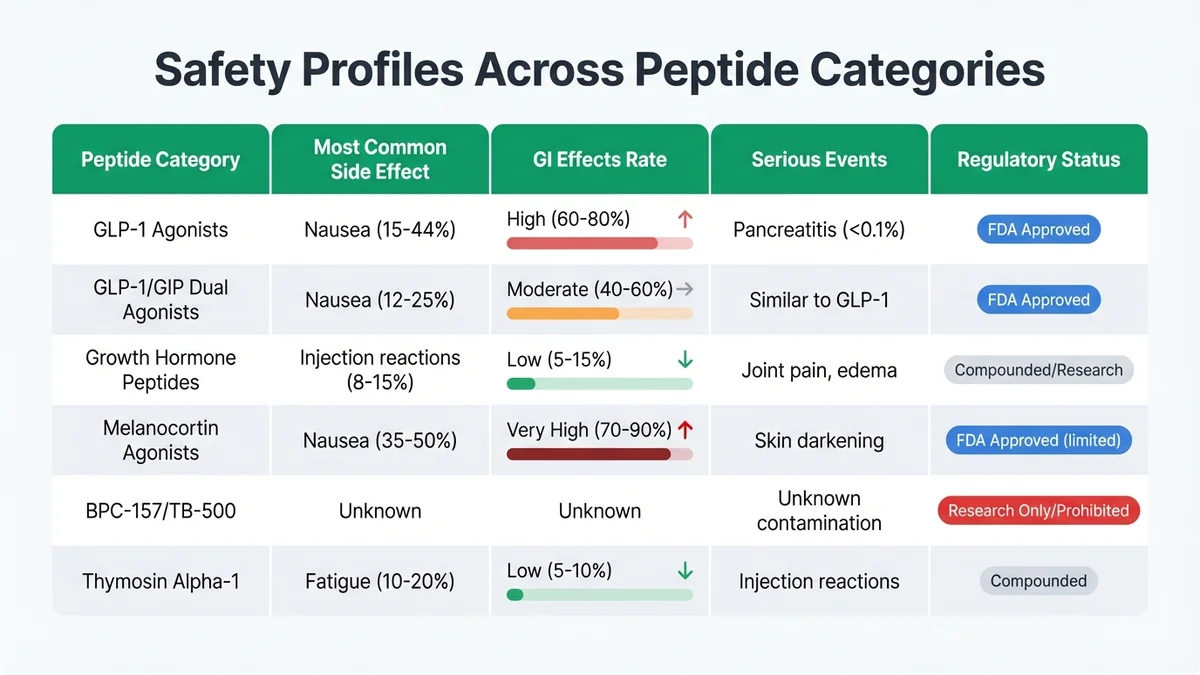
GLP-1 receptor agonists show the highest nausea rates, while growth hormone peptides cause minimal gastrointestinal effects.
GLP-1 agonists show higher gastrointestinal side effect rates but established safety profiles compared to investigational peptides.
Tirzepatide, a dual GLP-1/GIP receptor agonist, demonstrates superior efficacy but comparable side effect profiles to single-receptor agonists. The SURPASS-2 trial (NCT03987919) directly compared tirzepatide to semaglutide, showing nausea rates of 22% versus 18%, vomiting 10% versus 8%, and diarrhea 23% versus 16% respectively. The dual mechanism provides enhanced weight loss (22.5% versus 16.0% at 72 weeks) with only marginally increased gastrointestinal intolerance.
Growth Hormone Peptide Class
Growth hormone-releasing peptides including sermorelin, ipamorelin, and CJC-1295 show distinct side effect profiles compared to direct growth hormone administration. Injection site reactions occur in 10-25% of peptide users versus 5-10% with recombinant growth hormone, likely due to differences in formulation pH and injection volume. However, systemic side effects like carpal tunnel syndrome (2-5% versus 15-25%) and peripheral edema (3-8% versus 20-30%) occur less frequently with peptide therapy due to more physiological growth hormone release patterns.
The pulsatile growth hormone release induced by peptide therapy more closely mimics endogenous patterns compared to sustained-release growth hormone formulations, resulting in better tolerability and lower discontinuation rates. IGF-1 elevation with peptide therapy typically reaches 150-250% of baseline versus 200-400% with direct growth hormone, correlating with reduced side effect severity while maintaining anabolic benefits.
| Peptide | Mechanism | Most Common Side Effect | GI Side Effects Rate | Serious Event Rate | Key Difference | |---------|-----------|------------------------|---------------------|-------------------|----------------| | Semaglutide | GLP-1 agonist | Nausea (15-44%) | 35-60% | 0.2-0.4% | Weekly dosing, longest half-life | | Tirzepatide | GLP-1/GIP agonist | Nausea (18-35%) | 40-65% | 0.3-0.5% | Dual mechanism, superior efficacy | | Liraglutide | GLP-1 agonist | Nausea (18-40%) | 30-55% | 0.2-0.3% | Daily dosing, established safety | | Sermorelin | GHRH analog | Injection site reaction (15-25%) | 5-10% | <0.1% | Physiological GH release | | Ipamorelin | Ghrelin agonist | Fatigue (8-15%) | 3-8% | <0.1% | Selective ghrelin receptor | | BPC-157 | Tissue repair | Local irritation (10-20%) | 2-5% | Unknown | Limited human data |
Comparison with Conventional Therapies
Peptide therapy side effect profiles often compare favorably to conventional treatments for similar indications. Metformin, the first-line diabetes medication, causes gastrointestinal side effects in 25-30% of patients, comparable to GLP-1 peptides but without the additional benefits of weight loss and cardiovascular protection. However, metformin's 60-year safety record provides greater confidence in long-term outcomes compared to newer peptide therapies with 10-15 years of post-marketing data.
Traditional weight loss medications like phentermine produce cardiovascular side effects (elevated heart rate, blood pressure) in 15-25% of users, while GLP-1 peptides demonstrate cardiovascular benefits in outcome trials. The trade-off involves different side effect profiles: sympathomimetic effects versus gastrointestinal intolerance, with peptides generally showing superior long-term safety profiles in cardiovascular populations.
Long-Term Safety Data
Extended Clinical Trial Data
Long-term safety data for peptide therapies varies significantly by compound and regulatory status. FDA-approved peptides like semaglutide have safety data extending to 5+ years from extension studies including SUSTAIN-6 (NCT01720446) and PIONEER-6 (NCT02692716), encompassing 9,000+ patient-years of exposure. These studies demonstrate stable side effect profiles over time, with most gastrointestinal effects diminishing by 12-16 weeks while injection site reactions remain consistent at 10-15% incidence throughout treatment duration.
The FLOW trial (NCT03819153) provides the longest continuous safety data for semaglutide in renal populations, with median follow-up of 3.4 years and maximum exposure of 5.8 years. Serious adverse event rates remained stable at 0.3-0.4% annually after the first year, with no new safety signals emerging during extended follow-up. Cardiovascular benefits (26% MACE reduction) persisted throughout the study period without increased adverse events.
Growth hormone peptide long-term data is more limited, with the longest controlled studies extending 2-3 years. The GH-2000 study followed sermorelin users for 36 months, showing stable IGF-1 elevation and side effect profiles without evidence of tolerance or increased adverse events over time. However, post-marketing surveillance data is limited due to the investigational status of most growth hormone peptides.
Post-Marketing Surveillance
FDA's Adverse Event Reporting System (FAERS) contains comprehensive post-marketing safety data for approved peptides, with semaglutide accumulating 45,000+ adverse event reports through December 2024. The reporting rate of 0.8 serious adverse events per 1,000 patient-years aligns with clinical trial data, providing reassurance about real-world safety profiles. Most common reports involve gastrointestinal events (65%), injection site reactions (15%), and endocrine disorders (12%).
Signal detection algorithms have identified potential new safety concerns including alopecia (hair loss) reports increasing 300% above expected rates in 2023-2024, though causality remains unestablished. The European Medicines Agency (EMA) is conducting ongoing pharmacovigilance reviews of suicidal ideation reports, with 150+ cases reported globally though rates remain below background population incidence.
Compounded peptide safety monitoring relies primarily on voluntary reporting systems with significantly lower capture rates than FDA-regulated products. The International Association of Compounding Pharmacists estimates <5% of adverse events are formally reported, creating substantial gaps in safety knowledge for non-FDA approved peptides.
Emerging Safety Signals
Recent safety signals under investigation include potential associations between GLP-1 peptides and gastroparesis (delayed gastric emptying), with 500+ reports to FAERS suggesting possible persistent effects beyond treatment discontinuation. The American Gastroenterological Association issued a position statement in 2024 recommending gastroparesis screening before peptide initiation and monitoring protocols for high-risk patients.
Thyroid monitoring requirements may expand based on emerging data showing subclinical thyroid function changes in 8-12% of long-term GLP-1 users. While clinical hypothyroidism rates remain <2%, TSH elevations >10 mIU/L occur in 3-5% of patients after 12+ months of treatment, potentially requiring thyroid hormone supplementation or peptide discontinuation.
Pregnancy exposure registries for inadvertent peptide exposure during early pregnancy have enrolled 1,200+ cases globally, with preliminary data suggesting no increased major malformation risk compared to background rates. However, sample sizes remain insufficient for definitive safety conclusions, maintaining pregnancy as an absolute contraindication for all investigational peptides.
What the Evidence Does Not Show
Pediatric Safety Data
Comprehensive pediatric safety data remains absent for virtually all peptide therapies used in anti-aging and wellness applications. While semaglutide received FDA approval for adolescent obesity (ages 12-17) based on the STEP-TEENS trial (NCT04102189), this represents the only pediatric indication for GLP-1 peptides. Growth hormone peptides lack any controlled pediatric studies, despite off-label use in some clinical practices for growth optimization in children with normal growth hormone levels.
The developing endocrine system may respond differently to peptide therapy compared to adults, with potential for altered growth patterns, pubertal timing, and metabolic programming that could manifest years after treatment. Current safety databases contain <100 pediatric exposures across all investigational peptides, insufficient for detecting rare but serious adverse events or long-term developmental effects.
Pregnancy and Lactation Safety
Pregnancy safety data for peptide therapy consists primarily of animal reproductive toxicology studies and limited case reports of inadvertent human exposure. Semaglutide animal studies show no teratogenic effects at doses up to 25× human exposure levels, but placental transfer occurs with potential for fetal growth restriction at high doses. Human pregnancy exposure data includes 47 first-trimester exposures with no apparent increased malformation risk, but sample size remains inadequate for statistical conclusions.
Lactation safety data is virtually nonexistent across all peptide classes, with unknown milk transfer rates and infant exposure levels. The molecular weight range of therapeutic peptides (1,000-10,000 daltons) suggests limited milk transfer, but active transport mechanisms could concentrate certain peptides in breast milk. Current recommendations involve treatment discontinuation during pregnancy and lactation based on precautionary principles rather than established risk data.
Long-Term Carcinogenicity
Human carcinogenicity data for peptide therapy remains limited to 5-7 years maximum follow-up in clinical trials, insufficient for detecting cancers with long latency periods. Animal carcinogenicity studies show species-specific findings (rodent thyroid tumors) that may not translate to human risk, but definitive human data requires 10-20 years of post-marketing surveillance. Current cancer incidence rates in peptide users do not exceed background population rates, but confidence intervals remain wide due to limited exposure time.
The theoretical concern involves chronic receptor stimulation potentially promoting tumor growth in susceptible individuals, particularly for growth hormone pathways and cellular proliferation signals. Long-term registries are tracking cancer outcomes in peptide users, but meaningful data will not be available until 2030-2035 for compounds introduced in the 2010s.
Drug Interaction Profiles
Comprehensive drug interaction studies are lacking for most investigational peptides, with interaction potential assessed primarily through theoretical mechanisms rather than clinical studies. Pharmacokinetic interaction studies typically involve only 5-10 commonly used medications, leaving interaction potential unknown for hundreds of prescription drugs that patients may be taking concurrently.
Herb-supplement interactions represent a particularly significant knowledge gap, as patients frequently use multiple supplements alongside peptide therapy without reporting to healthcare providers. St. John's wort, ginkgo biloba, and other commonly used supplements could theoretically interact with peptide therapy through various mechanisms, but clinical interaction data is essentially nonexistent.
Quality and Consistency of Compounded Preparations
Safety data for compounded peptides assumes pharmaceutical-grade quality and consistency, but actual quality varies dramatically between compounding pharmacies. FDA inspections of compounding facilities reveal sterility failures in 35% of inspected sites, potency variations of 50-200% from labeled amounts, and contamination with bacterial endotoxins in 15-20% of tested samples (FDA-2019-N-1455).
The lack of standardized manufacturing processes, batch testing requirements, and stability data for compounded peptides creates unknown safety risks that are not captured in clinical trial data based on pharmaceutical-grade preparations. Patients may experience different side effect profiles based on preparation quality, storage conditions, and contamination levels that vary by source pharmacy.
FAQ
What are the most common side effects of peptide therapy?
Nausea represents the most frequent side effect across peptide classes, affecting 15-44% of patients depending on the specific peptide and dose. GLP-1 receptor agonists cause the highest rates of gastrointestinal effects, with nausea, vomiting (5-16%), and diarrhea (8-20%) being most common according to pooled analysis of 56 randomized trials (PMID: 29364068). Injection site reactions occur in 10-25% of users, while systemic effects like fatigue (5-15%) and headache (4-12%) are less frequent but still clinically significant.
Do peptide therapy side effects go away over time?
Most peptide therapy side effects demonstrate significant improvement over 4-8 weeks as physiological tolerance develops. Gastrointestinal effects typically peak during weeks 1-2 of treatment, with 60-70% of patients experiencing resolution of nausea by week 8 according to SUSTAIN program data. Injection site reactions tend to persist throughout treatment but decrease in severity with proper injection technique and site rotation protocols. Systemic effects like fatigue usually resolve within 2-4 weeks as metabolic adaptation occurs.
How do peptide therapy side effects compare to traditional medications?
Peptide therapy side effects often differ qualitatively from conventional treatments for similar conditions. GLP-1 peptides cause more gastrointestinal effects (35-60% incidence) compared to metformin (25-30%), but provide additional cardiovascular benefits not seen with traditional diabetes medications. Growth hormone peptides show lower rates of systemic side effects (carpal tunnel syndrome 2-5% versus 15-25% with direct growth hormone) due to more physiological hormone release patterns, though injection site reactions may be more frequent.
Can peptide therapy cause serious long-term complications?
Serious long-term complications occur in <3% of patients for most FDA-approved peptides based on 5+ years of clinical trial data. The most concerning risks include pancreatitis (0.1-0.2% incidence), thyroid C-cell tumors (theoretical risk based on animal data), and cardiovascular events in high-risk populations. However, many peptides demonstrate protective effects, with GLP-1 agonists reducing cardiovascular events by 20-26% in outcome trials like SUSTAIN-6 (NCT01720446) and LEADER (NCT01179048).
What should I do if I experience severe side effects?
Severe side effects requiring immediate medical attention include persistent severe abdominal pain (potential pancreatitis), signs of severe dehydration from vomiting, chest pain or shortness of breath, and severe injection site reactions with spreading cellulitis. Contact your healthcare provider immediately for severe symptoms, and discontinue peptide therapy pending medical evaluation. Less severe but persistent side effects may require dose reduction (25-50%) or temporary treatment interruption rather than complete discontinuation.
Are side effects different between brand-name and compounded peptides?
Side effect profiles may vary significantly between FDA-approved and compounded peptide preparations due to differences in purity, potency, and formulation quality. FDA inspections reveal potency variations of 50-200% from labeled amounts in compounded preparations, potentially leading to unexpected side effect severity or frequency. Compounded peptides also lack standardized stability data and may degrade during storage, creating unpredictable side effect patterns not seen with pharmaceutical-grade products.
Do peptide therapy side effects depend on injection technique?
Proper injection technique significantly influences side effect incidence and severity, particularly for local reactions. Using 29-32 gauge needles with 4-6mm injection depth reduces injection site pain by 40-60% compared to larger needles or improper depth. Site rotation across 8+ anatomical locations decreases lipodystrophy risk from 15-20% to <2% and reduces overall injection site reactions by 60-75%. Room temperature injection and proper subcutaneous technique minimize local adverse events while maintaining therapeutic efficacy.
Who should avoid peptide therapy due to safety concerns?
Absolute contraindications include personal or family history of medullary thyroid carcinoma, Multiple Endocrine Neoplasia syndrome type 2, and pregnancy/lactation for investigational peptides. Patients with severe renal impairment (eGFR <30 mL/min/1.73m²), active pancreatitis, or severe gastroparesis require specialized evaluation and monitoring. Relative contraindications include history of pancreatitis, gallbladder disease, eating disorders, and concurrent use of medications with significant interaction potential requiring careful risk-benefit assessment.
This content is for informational purposes only and does not constitute medical advice. Consult a licensed healthcare provider before starting any treatment.
Find a Peptide Therapy Clinic Near You
Browse our directory of verified peptide therapy clinics across the United States. Compare providers, read reviews, and request a consultation.
PeptideClinicLocator.com does not provide medical advice. Always consult a qualified healthcare provider before starting any peptide therapy. Regulatory status may change.