Key Takeaways
- Typical Sermorelin dosing ranges from 100 mcg to 500 mcg daily, administered via subcutaneous injection.
- Titration schedules are important for optimizing efficacy and minimizing side effects.
- Medical supervision is crucial to adjust dosing based on individual factors such as body weight and treatment goals.
- Sermorelin is compounded under FDA Category 1, meaning it can be prescribed but is not FDA-approved for a specific indication.
What Is Sermorelin?
Sermorelin is a growth hormone-releasing hormone (GHRH) analog that stimulates the pituitary gland to produce growth hormone. It is primarily used in the context of anti-aging and growth hormone deficiency treatments. For more detailed information, visit the Sermorelin profile.
Standard Dosing Protocols
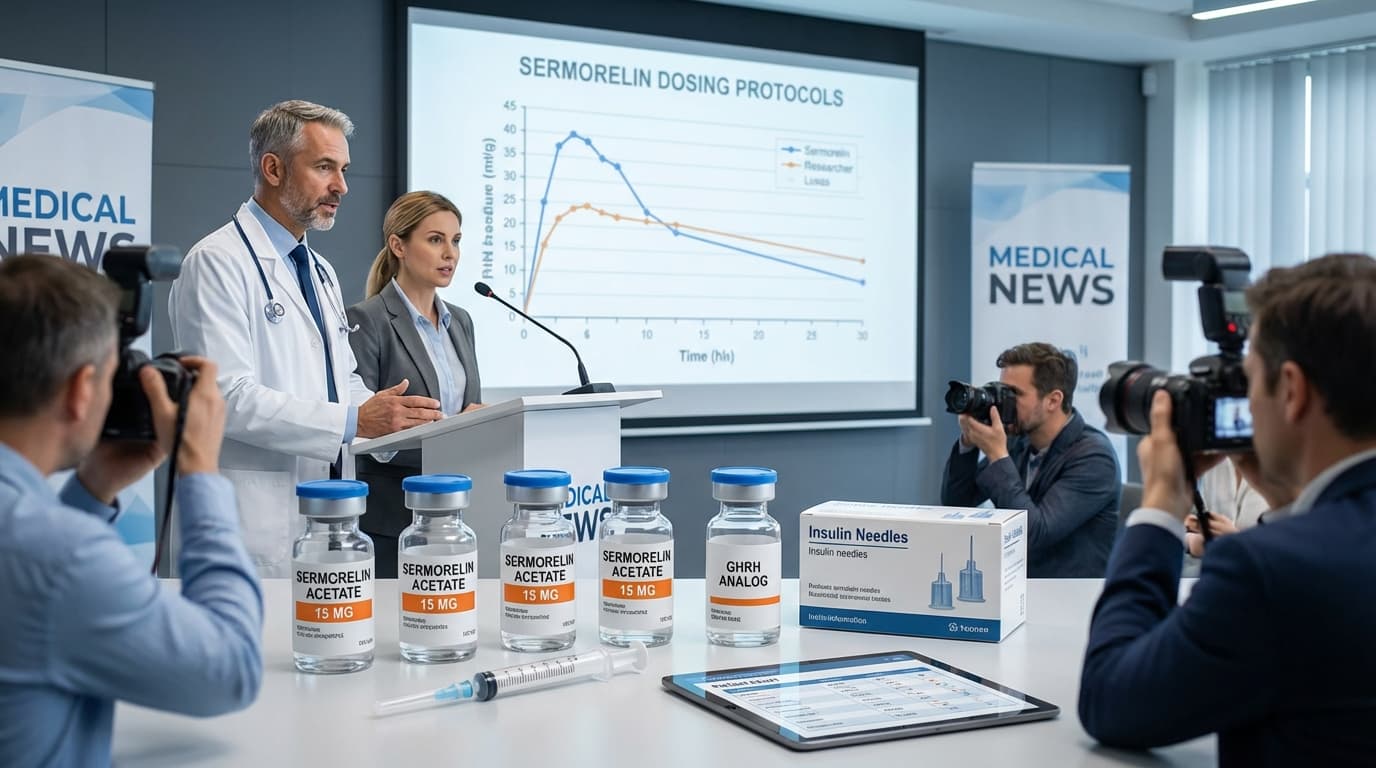
Sermorelin does not have an FDA-approved dosing regimen, as it is categorized as a compoundable substance under FDA Category 1. However, typical clinical practice involves a dosing range of 100 mcg to 500 mcg per day, administered subcutaneously. Some research protocols have utilized doses up to 1,000 mcg in divided doses for specific conditions (PMID 18046908).
Titration Schedules
Titration is a critical component of Sermorelin therapy, allowing gradual adjustment to optimize therapeutic outcomes while minimizing adverse effects. Initial dosing often starts at the lower end of the spectrum, around 100 mcg to 200 mcg daily, with incremental increases based on patient response and tolerability. Typically, adjustments may occur every 2-4 weeks, with close monitoring by healthcare providers (PMID 32257855).
Administration Method
Sermorelin is administered via subcutaneous injection, typically using a 29-31 gauge insulin syringe. Common injection sites include the abdomen, thigh, or upper arm. It is essential to rotate injection sites to prevent lipoatrophy. Reconstitution of Sermorelin is necessary, requiring mixing with bacteriostatic water and storage in a refrigerator to maintain potency (PMID 37806509).
Factors That Affect Dosing
Several factors influence Sermorelin dosing, including:
- Body weight: Heavier individuals may require higher doses.
- Treatment goals: Desired outcomes (e.g., muscle gain, fat loss) can dictate dosing adjustments.
- Concurrent medications: Some drugs may interact with Sermorelin, affecting its efficacy.
- Kidney/liver function: Impaired organ function may necessitate dose modifications.
What Happens If You Miss a Dose
If a dose is missed, it should be administered as soon as remembered unless it is near the time for the next dose. Double dosing to compensate for a missed dose is not recommended. Consistent daily administration is crucial for maintaining stable hormone levels (PMID 18046908).
Dosing Compared to Similar Peptides
Sermorelin is often compared with other growth hormone secretagogues like CJC-1295 and Ipamorelin. CJC-1295 is known for its extended half-life, allowing less frequent dosing, while Ipamorelin is favored for its selectivity and minimal side effects (PMID 41490200).
What the Evidence Does Not Show
Current research on Sermorelin's long-term safety and efficacy remains limited. While short-term studies suggest benefits in growth hormone stimulation, comprehensive long-term data are lacking. The absence of FDA-approved dosing protocols underscores the need for cautious use under medical supervision (PMID 37806509).
FAQ
How should Sermorelin be stored?
Sermorelin should be stored in a refrigerator after reconstitution to maintain its stability and potency.
Can Sermorelin be used alongside other hormone therapies?
Yes, but it should be done under the supervision of a healthcare provider to monitor for interactions and optimize dosing.
What are common side effects of Sermorelin?
Common side effects include injection site reactions, headaches, and transient flushing. Approximately 10-15% of patients report such effects (PMID 32257855).
Is Sermorelin suitable for children?
Sermorelin is primarily used in adults due to limited pediatric data. Any use in children should be closely monitored by a specialist.
How long does it take to see results with Sermorelin?
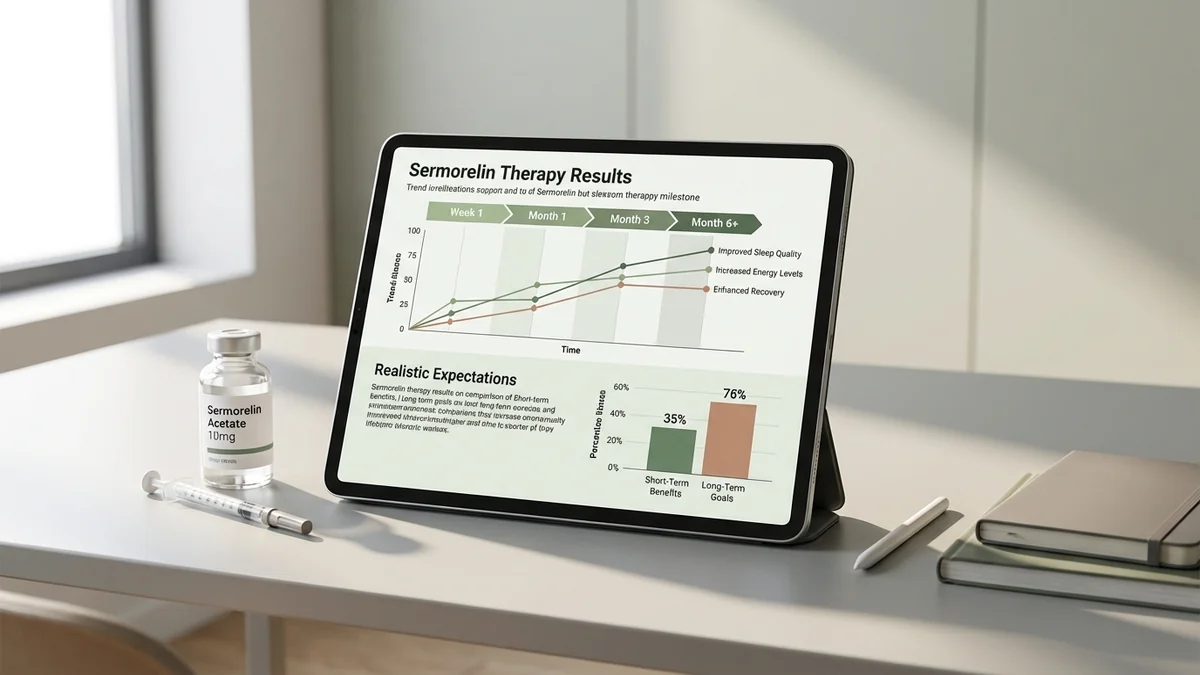
Results can vary, but some patients report improvements in energy and physical performance within a few weeks, although full benefits may take several months to manifest.
This content is for informational purposes only and does not constitute medical advice. Consult a licensed healthcare provider before starting any treatment.