Key Takeaways
- AOD9604 is not FDA-approved and is available for research purposes only.
- Typical dosing for research involves 2mg administered subcutaneously.
- Titration schedules are important for assessing tolerability and efficacy.
- Administration requires careful attention to injection sites and storage.
- Medical supervision is crucial due to the peptide's research-only status.
What Is AOD9604?
AOD9604 is a research peptide derived from the C-terminal fragment of human growth hormone, specifically amino acids 177–191. It is primarily used in metabolic research to study its effects on lipid and glucose metabolism pathways through β-adrenergic and AMPK-related mechanisms. For more detailed information, visit the AOD9604 profile.
Standard Dosing Protocols
AOD9604 is not approved by the FDA for any medical use, and its availability is limited to research settings. Published research, such as that documented in PMID 15134286, indicates that AOD9604 is typically administered at a dose of 2mg for metabolic research purposes. This dosing is based on preclinical studies and has not been validated for human therapeutic use.
Titration Schedules
In research contexts, titration is essential to determine the optimal dose that balances efficacy with tolerability. Initial studies often begin with a lower dose, gradually increasing to the target 2mg dose over a period of weeks, allowing researchers to monitor any adverse effects and metabolic responses.
Administration Method
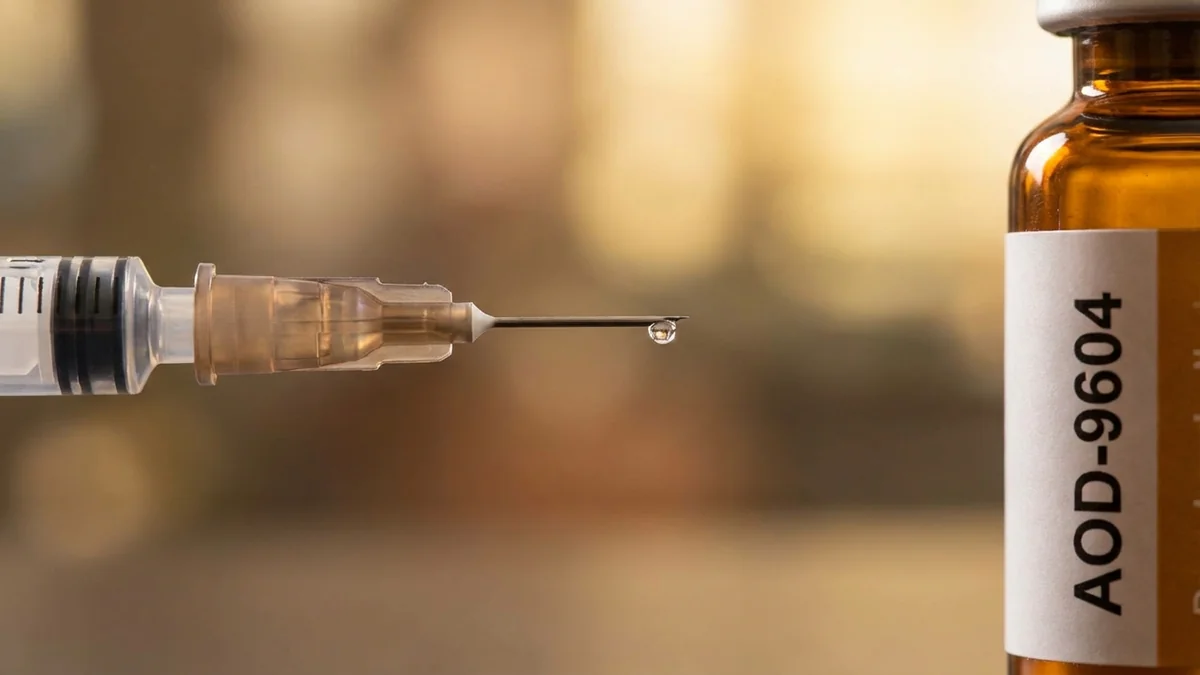
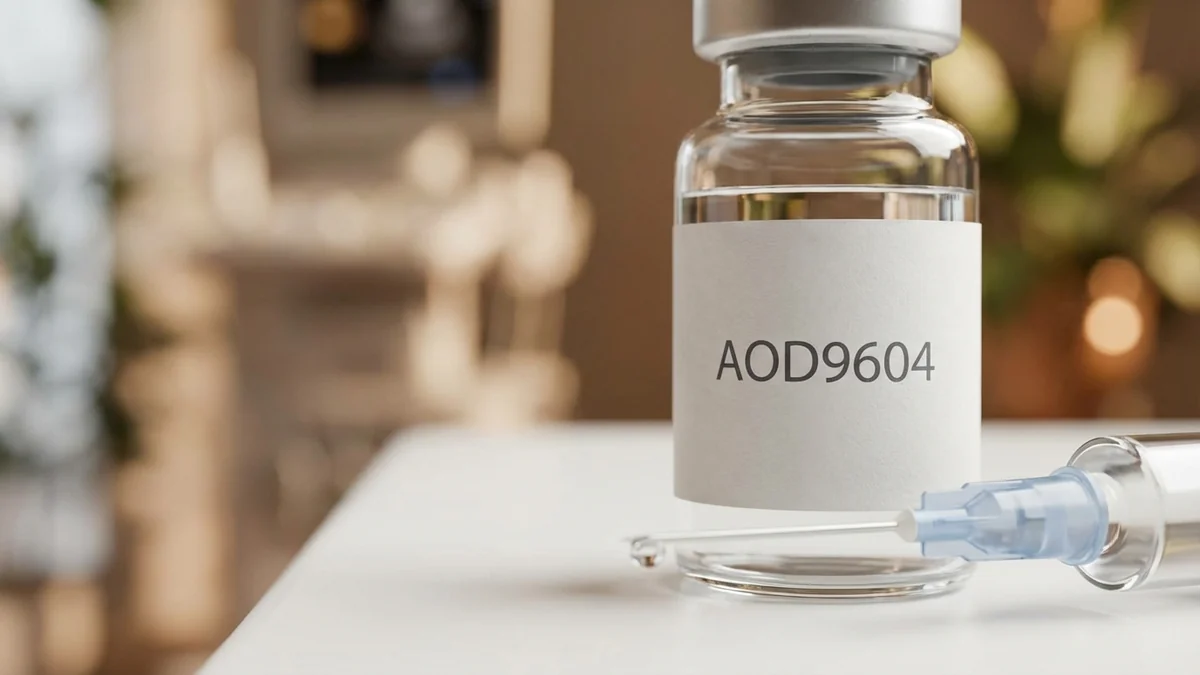
AOD9604 is administered via subcutaneous injection. Researchers typically rotate injection sites to minimize local irritation and potential tissue damage. Common sites include the abdomen and thigh. Needles used are generally fine-gauge, such as 29 to 31 gauge, to reduce discomfort. The peptide should be stored in a cool, dry place and reconstituted according to specific research protocols, ensuring stability and efficacy.
Factors That Affect Dosing
Several factors can influence AOD9604 dosing in research settings, including the subject's body weight, metabolic rate, and overall health status. Researchers must adjust the dosing based on these factors to ensure accurate and reliable results. Additionally, any concurrent medications or underlying health conditions may necessitate dosing adjustments.
What Happens If You Miss a Dose
In a research setting, missing a dose of AOD9604 should be documented, and the next scheduled dose should be administered without attempting to double up. Consistent dosing is crucial for maintaining the integrity of the research findings.
Dosing Compared to Similar Peptides
Compared to other peptides like CJC-1295 or Ipamorelin, AOD9604's dosing is distinct due to its specific research focus on metabolic pathways. While CJC-1295 and Ipamorelin are often used in growth hormone research, AOD9604 is specifically studied for its potential lipolytic effects without the diabetogenic side effects associated with full-length growth hormone (PMID 25208511).
What the Evidence Does Not Show
Current research on AOD9604 is limited to preclinical studies and does not provide conclusive evidence on its long-term safety or efficacy in humans. There is a lack of robust clinical data, and the peptide's effects beyond short-term metabolic studies remain largely unexplored (PMID 11673763).
FAQ
Is AOD9604 safe for human use?
AOD9604 is not FDA-approved for human use and is available only for research purposes. Its safety and efficacy in humans have not been established.
How is AOD9604 typically administered in research?
AOD9604 is administered via subcutaneous injection, with a typical research dose being 2mg. Injection sites should be rotated to prevent irritation.
Can AOD9604 be used for weight loss?
While AOD9604 is studied for its potential effects on lipid metabolism, it is not approved for weight loss treatment in humans. Its use is restricted to research settings.
What should researchers do if a dose is missed?
If a dose is missed in a research setting, it should be documented, and the next dose should be administered as scheduled without doubling up.
How does AOD9604 compare to other metabolic peptides?
AOD9604 is distinct in its focus on metabolic research, specifically its potential to mimic growth hormone's lipolytic effects without diabetogenic side effects, unlike some other growth hormone-related peptides.
Medical Disclaimer: This content is for informational purposes only and does not constitute medical advice. Consult a licensed healthcare provider before starting any treatment.