
Key Takeaways
- Common side effects of Sermorelin include injection site reactions, flushing, and headache.
- Rare but serious side effects can occur, such as allergic reactions and changes in blood sugar levels.
- Sermorelin is administered via subcutaneous injection, which can influence side effect profiles.
- Discuss potential interactions and side effects with your healthcare provider before starting treatment.
What Is Sermorelin?
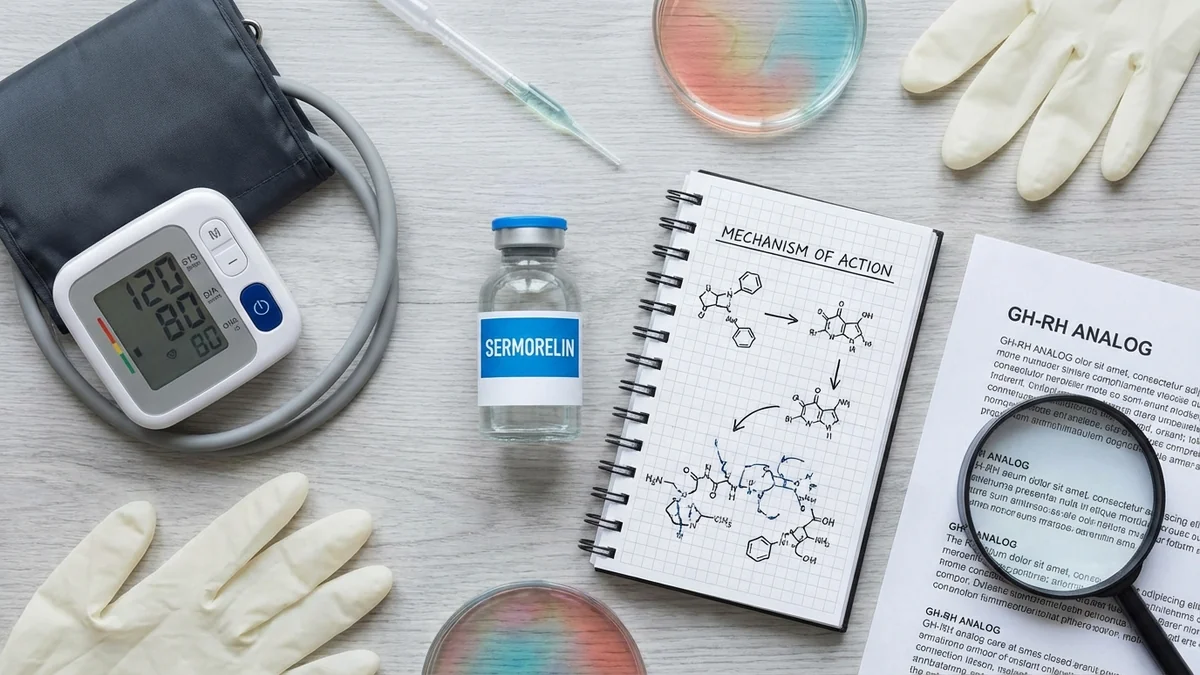
Sermorelin is a synthetic peptide that mimics the action of growth hormone-releasing hormone (GHRH). It is primarily used for the treatment of growth hormone deficiency and is administered via subcutaneous injection. For more detailed information, visit the full Sermorelin profile.
Common Side Effects
The side effects of Sermorelin can vary among individuals. Commonly reported side effects include:
- Injection Site Reactions: Many patients experience mild redness or swelling at the injection site. This is generally transient and resolves on its own.
- Flushing: Approximately 10-15% of patients report experiencing flushing after administration, as noted in clinical observations (PMID 18046908).
- Headache: Some patients may experience headaches, which are typically mild and manageable with over-the-counter pain relief.
- Nausea: Nausea occurs in a smaller subset of patients, often subsiding after the body adjusts to the treatment.
Serious or Rare Side Effects
While most side effects are mild, some serious adverse events have been documented:
- Allergic Reactions: Though rare, some individuals may experience severe allergic reactions. Symptoms can include rash, itching, difficulty breathing, and swelling of the face or throat.
- Changes in Blood Sugar Levels: Sermorelin may affect insulin sensitivity, leading to alterations in blood sugar levels. Monitoring by a healthcare provider is advised for patients with diabetes or those at risk.
No FDA boxed warnings are currently associated with Sermorelin, but ongoing monitoring and consultation with a healthcare provider are recommended.
Side Effects by Administration Route
Sermorelin is administered via subcutaneous injection. This route can lead to localized side effects, such as injection site reactions, which are less common with oral or topical administration of other medications. The subcutaneous route allows for direct absorption into the bloodstream, which can influence the onset and intensity of systemic side effects.
Managing Side Effects
Effective management of Sermorelin side effects involves several strategies:
- Dose Titration: Starting with a lower dose and gradually increasing can help mitigate initial side effects.
- Timing of Administration: Administering Sermorelin at a consistent time each day, ideally before bedtime, may help align with the body's natural growth hormone cycle.
- Communication with Healthcare Provider: Report any persistent or severe side effects to your provider. They may adjust your dose or suggest supportive treatments.
- Medical Attention: Seek immediate medical attention if experiencing symptoms of a severe allergic reaction or significant changes in blood sugar levels.