Prepare Your Workspace
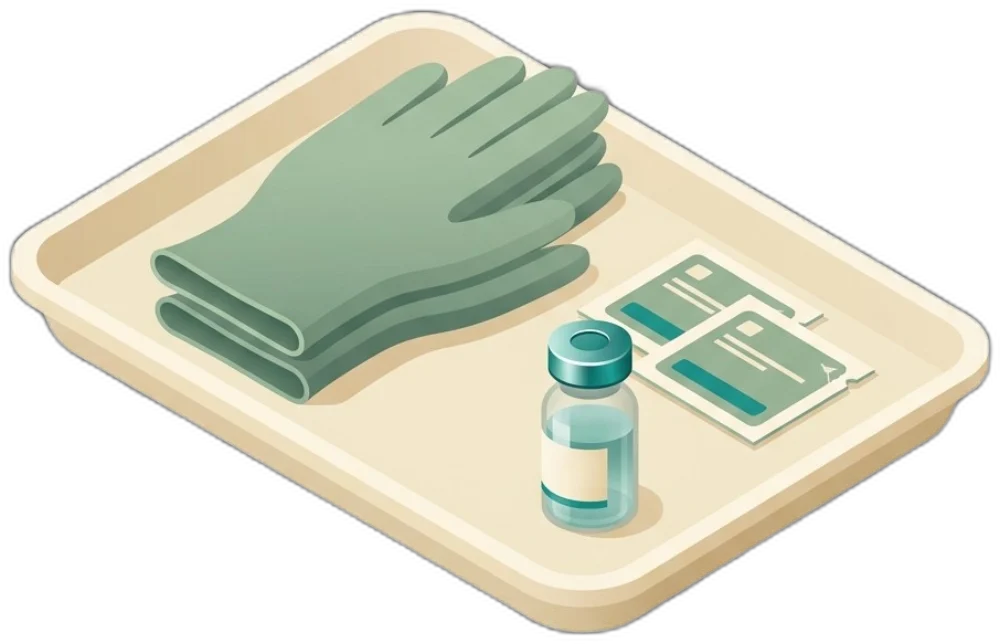
Wash your hands and put on sterile gloves. Gather your peptide vial, bacteriostatic water, sterile insulin syringes, and alcohol swabs.

Enter your peptide vial size, the amount of bacteriostatic water you added, and your desired dose — and this free reconstitution calculator tells you exactly how many units to pull on your insulin syringe. Works for BPC-157, semaglutide, tirzepatide, TB-500, and all other injectable peptides.
Peptides are typically delivered as lyophilized (freeze-dried) powders that must be reconstituted with bacteriostatic water before use. Following proper reconstitution technique ensures peptide stability and accurate dosing. This step-by-step guide covers everything you need to know about peptide mixing and preparation.
Want the full walkthrough? Read how to reconstitute peptides and then use the calculator above to convert your dose into exact syringe units.
Wash your hands and put on sterile gloves. Gather your peptide vial, bacteriostatic water, sterile insulin syringes, and alcohol swabs.
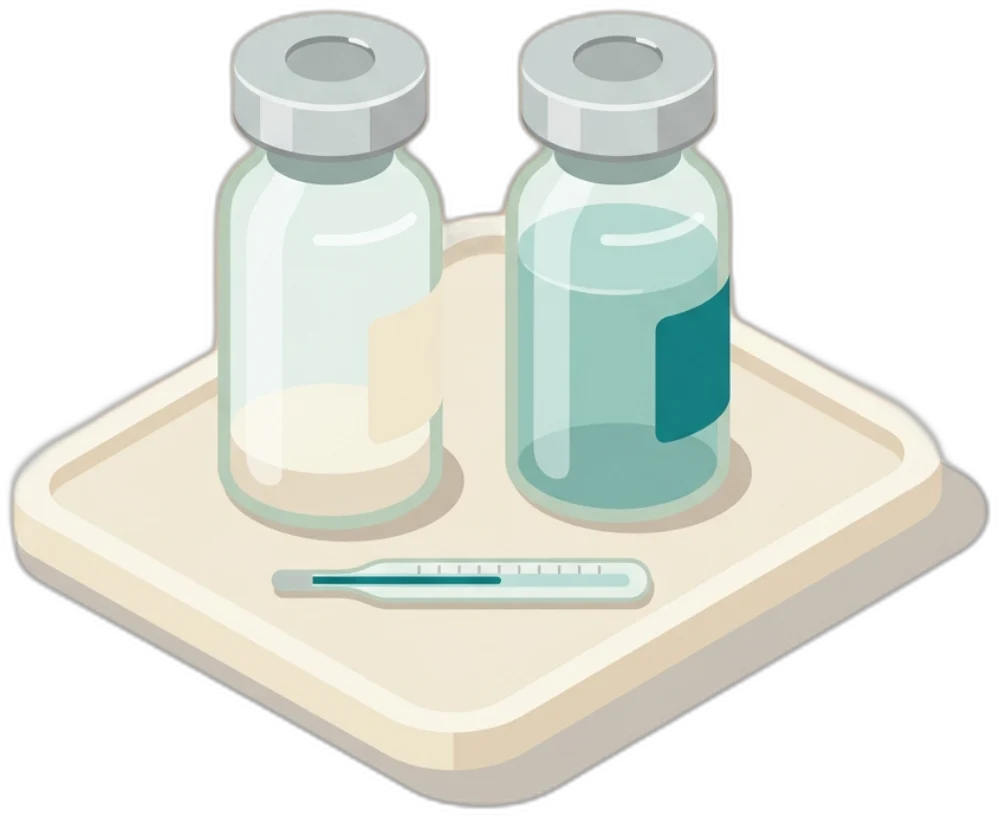
Allow refrigerated or frozen peptide and BAC water to reach 20–25°C before reconstitution. Cold solutions can foam and dissolve unevenly.
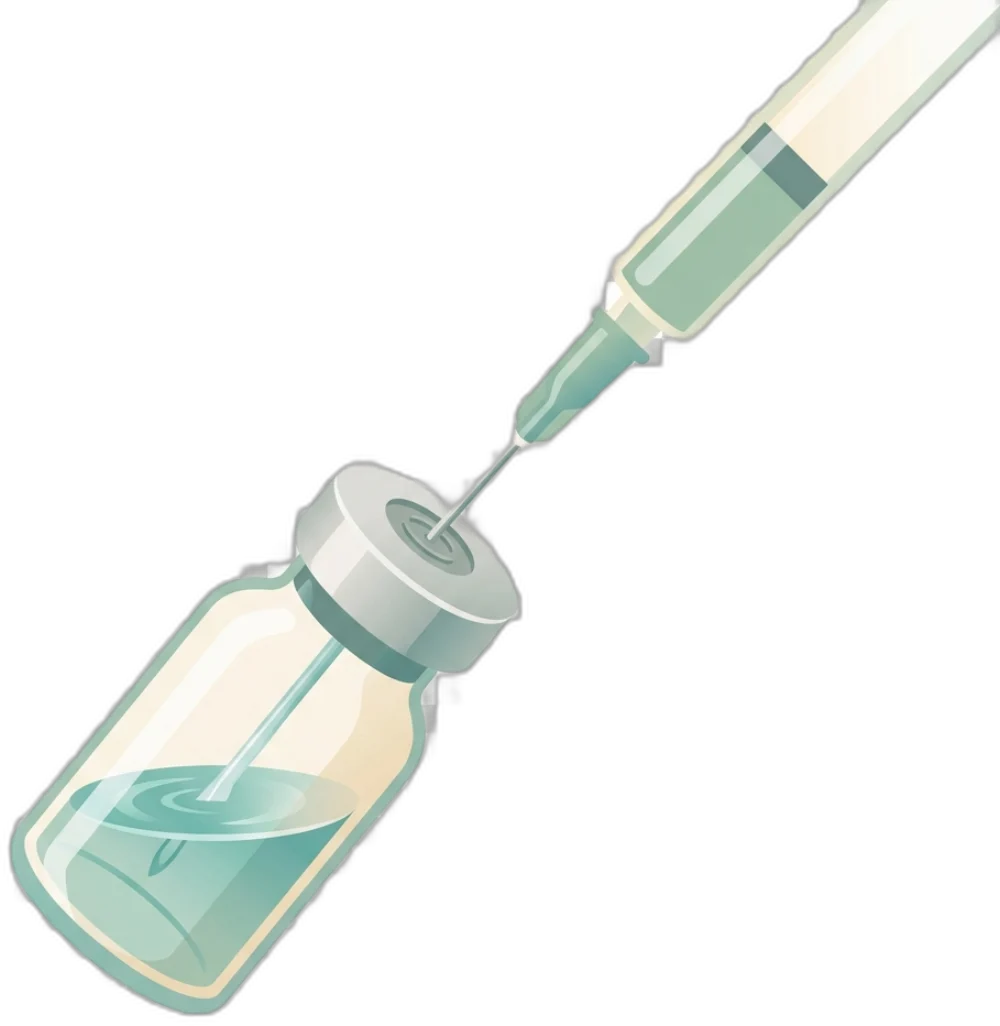
Swab both vial tops with 70% alcohol. Slowly inject BAC water aimed at the glass wall at a 45° angle — never directly on the powder.
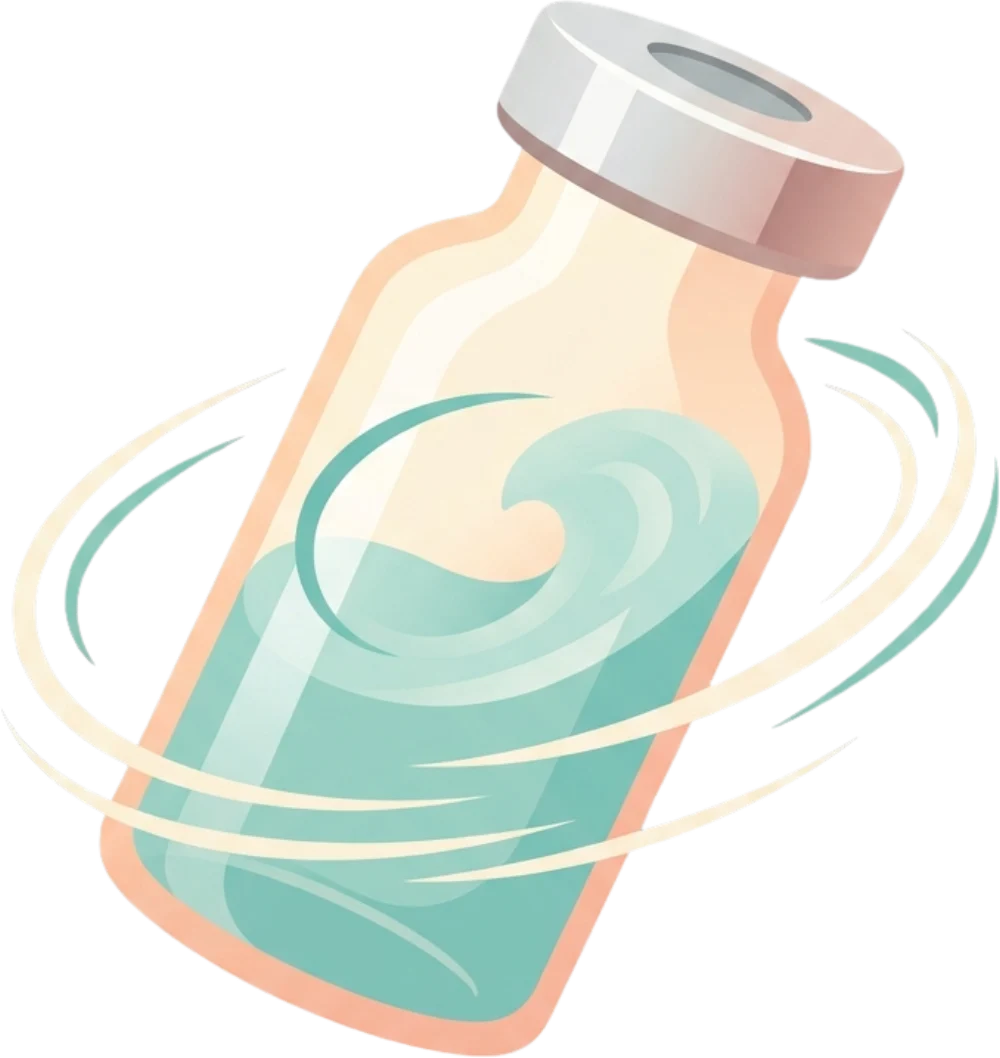
Gently swirl the vial until the powder fully dissolves. Never shake — this damages the peptide. The solution should become completely clear.
Not sure how much bacteriostatic water to add to your vial?
The amount of BAC water you add controls your concentration — less water means more concentrated (fewer syringe units per dose), more water means more dilute (more units per dose). Use our free BAC water calculator to find the recommended water volume for your specific vial size and dose.
Proper storage is critical for maintaining peptide potency and sterility after reconstitution. Temperature control is the most important factor.
Understanding the math behind peptide dosing is straightforward once you know the three-step formula. Our peptide dosage calculator automates this, but here is how the calculation works manually so you can verify your results.
Divide the total amount of peptide in the vial by the amount of bacteriostatic water you added.
Divide your target dose by the concentration. Since the vial is in mg and your dose is in mcg, multiply by 1,000 to match units.
Multiply the injection volume by the number of units your syringe holds per ml to get the mark you draw to.
Select a peptide to see a step-by-step calculation using a common reconstitution setup.
Look up your vial size and the amount of BAC water you added, then find your dose column to get the exact units to draw. All values assume a standard 100-unit (1 ml) insulin syringe.
Syringe unit values are for a 100-unit (1 ml) insulin syringe. A dash (—) means the dose exceeds what the vial contains at that dilution. For 50-unit or 30-unit syringes, the math is the same — only fill to the unit mark shown above.
One of the most common sources of confusion in peptide dosing is the difference between weight units, volume units, and syringe units. Here is a clear breakdown of each measurement you will encounter when using a peptide mixing calculator.
1 mg = 1,000 mcg
A 5 mg vial contains 5,000 mcg total
1 unit = 0.01 ml (all syringe sizes)
30-unit = 0.3 ml · 50-unit = 0.5 ml · 100-unit = 1.0 ml
Below are common reconstitution setups for the most popular therapeutic peptides. These are general reference ranges — always follow your prescribing clinician's specific protocol. Click any peptide name to view its full encyclopedia entry with clinical evidence, FDA status, and detailed dosing guidance.
Looking for a specific peptide? Browse our complete Peptide Encyclopedia with 40+ entries covering mechanisms, clinical research, FDA status, and dosing protocols.
Specialized calculators and converters for the peptides you use most.
Common questions about peptide reconstitution, dosing calculations, and using this peptide calculator.
Once you have your syringe units, dial in the protocol. These evidence-based guides cover dose ranges, titration, and timing for the most-searched peptides.
Retatrutide Dosage Calculator
Reconstitution and mg-to-units calculator for retatrutide, with a full dose chart.
Tirzepatide Dosage Guide
Week-by-week tirzepatide titration, dose ranges, and what to expect.
CJC-1295 + Ipamorelin Dosage Guide
The 10 mg blend: standard mcg ranges, syringe units, timing, and titration.
Thymosin Alpha-1 Dosage Guide
Typical thymosin alpha-1 dosing, reconstitution, and injection protocol.
MOTS-c Side Effects
What to know about MOTS-c tolerability, dosing context, and safety.
Retatrutide Peptide Profile
Mechanism, research status, and dosing overview for retatrutide.
HGH 191aa Dosing (10 IU)
IU-based HGH dosing protocol, reconstitution, and unit conversions.
Calculators can do the math, but a licensed prescriber can build a protocol around your goals, labs, and history. Browse 1,000+ verified clinics in our directory.
Medical Disclaimer: This peptide reconstitution calculator is provided for informational and educational purposes only. It is not a substitute for professional medical advice, diagnosis, or treatment. All dosing should be determined and supervised by a licensed healthcare provider. Always consult a qualified clinician before starting any peptide therapy protocol. MyPeptideMatch.com does not sell peptides or pharmaceutical products. The dosing references on this page are general guidelines and may not be appropriate for your individual circumstances.