Key Takeaways
- The Thymosin Alpha-1 Immune Protocol is designed to enhance immune function using a combination of peptides.
- Key peptides include Thymosin Alpha-1 and others that support immune modulation.
- It targets immune deficiencies, chronic infections, and recovery from illness.
- Typical duration ranges from 4 to 8 weeks, depending on individual goals.
- Thymosin Alpha-1 is not FDA-approved in the US and is available for research purposes only.
What Is the Immune Support Peptide Protocol (Thymosin Alpha-1)?
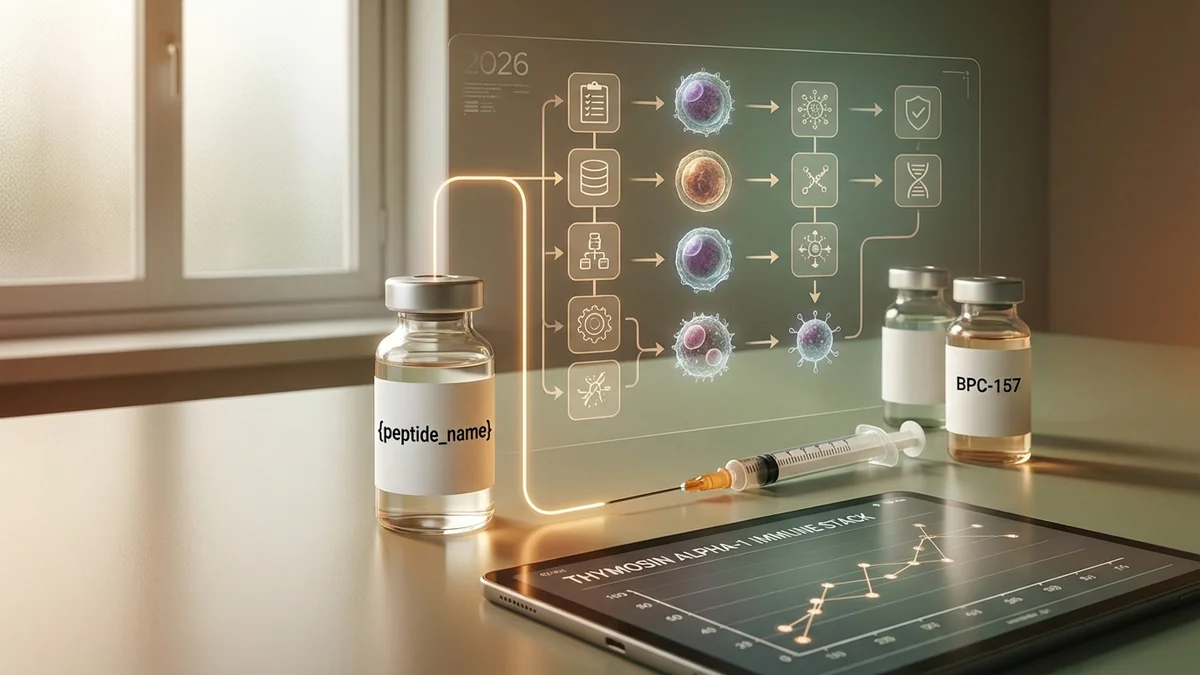
The Immune Support Peptide Protocol centered around Thymosin Alpha-1 is a peptide stacking strategy aimed at enhancing the body's immune response. Thymosin Alpha-1, a synthetic polypeptide, is known for its ability to modulate immune function by stimulating T-cell maturation and dendritic cell activation (PMID 35364609). This protocol is popular among individuals looking to boost their immune systems, particularly in the context of chronic viral infections and immune deficiencies.
The protocol typically includes the following peptides:
- Thymosin Alpha-1: Modulates immune pathways, enhancing T-cell function.
- BPC-157: Known for its tissue repair properties, supporting localized healing.
- TB-500: Facilitates systemic healing and recovery.
Thymosin Alpha-1 is not FDA-approved in the United States but is used in research settings. Its regulatory status limits its availability to clinical research and compounding under specific conditions.
How the Immune Support Peptide Protocol (Thymosin Alpha-1) Works
The protocol combines peptides with complementary mechanisms of action to provide a comprehensive approach to immune support.
Thymosin Alpha-1
Thymosin Alpha-1 interacts with the MyD88/NF-κB cascade to modulate immune signaling and maintain system homeostasis (PMID 11381492). It enhances T-cell differentiation and dendritic cell activation, crucial for robust immune responses.
BPC-157
BPC-157 is a peptide known for its role in promoting tissue repair and angiogenesis. It supports localized healing, which can be beneficial in immune-compromised individuals recovering from infections or injuries.
TB-500
TB-500 promotes systemic healing and recovery by enhancing cell migration and differentiation. It complements BPC-157 by addressing broader systemic needs.
Synergistic Effects
The combination of these peptides aims to provide both localized and systemic support, enhancing overall immune function. The synergistic action targets cellular repair and immune modulation, which is particularly beneficial for individuals with compromised immune systems.
Immune Support Peptide Protocol (Thymosin Alpha-1) Dosing Protocol
Below is a structured dosing protocol for the Immune Support Peptide Protocol:
| Peptide | Dose | Administration Method | Timing | Cycle Length |
|---|---|---|---|---|
| Thymosin Alpha-1 | 1.6mg, twice weekly | Subcutaneous | Morning | 4-8 weeks |
| BPC-157 | 200-400 mcg daily | Subcutaneous | Morning/Evening | 4-8 weeks |
| TB-500 | 2-5 mg weekly | Subcutaneous | Weekly | 4-8 weeks |
This dosing protocol is based on clinical research and anecdotal reports. It is crucial to follow medical guidance and adjust doses based on individual response and tolerance.
Administration Guide
Administering the peptides in this protocol requires careful attention to detail:
- Mixing: Do not mix peptides in the same syringe. Use separate syringes for each peptide.
- Injection Timing: Administer Thymosin Alpha-1 in the morning to align with natural circadian rhythms. BPC-157 can be split into morning and evening doses.
- Reconstitution: Use bacteriostatic water for reconstituting peptides. Follow specific instructions for each peptide to ensure proper reconstitution.
- Storage: Store reconstituted peptides in the refrigerator. Protect from light and heat.
- Equipment: Use a 29-31 gauge needle for subcutaneous injections. Syringe volume should match the dose.
Who Is This Protocol For?
The Immune Support Peptide Protocol is suitable for various scenarios:
Athletes Recovering from Injury
Athletes often face immune challenges due to intense training and injury recovery. This protocol supports tissue repair and immune modulation, aiding faster recovery.
Post-Surgical Recovery
Post-surgical patients benefit from enhanced immune support and tissue repair. The protocol aids in reducing recovery time and improving outcomes.
Anti-Aging / Longevity Goals
With aging comes immune decline. This protocol targets immune rejuvenation, supporting healthy aging and longevity.
Chronic Viral Infections
Individuals with chronic viral infections may experience immune suppression. The protocol enhances immune function, potentially improving resistance to infections.
Expected Results and Timeline
Week 1-2
Users commonly report increased energy levels and improved mood as immune function begins to improve.
Week 3-4
Enhanced recovery from physical exertion and reduced incidence of minor infections are often observed.
Week 5-8
Full effects of immune modulation and tissue repair are typically realized. Users may experience improved overall well-being and resilience.
Post-Cycle
After stopping the protocol, some users maintain improved immune function, although ongoing support may be necessary for chronic conditions.
Potential Side Effects and Risks
Thymosin Alpha-1
- Common side effects: Injection site reactions, fatigue.
- Contraindications: Autoimmune disorders without medical supervision.
- Drug interactions: Immunosuppressants may interfere with efficacy.
BPC-157
- Common side effects: Nausea, dizziness.
- Contraindications: None known, but caution in pregnancy.
TB-500
- Common side effects: Mild headaches, lethargy.
- Contraindications: None known, but monitor for allergic reactions.
Medical supervision is crucial when using stacked protocols. Regular bloodwork to monitor immune markers and overall health is recommended.