What Is Peptide Therapy?
Peptide therapy is the clinical use of synthetic or naturally-derived peptides — short chains of amino acids — to target specific biological pathways for health and therapeutic purposes. Unlike traditional pharmaceuticals, peptides work by binding to specific receptors in the body, mimicking or modulating the body's own signaling molecules with high precision.
In clinical practice, "peptide therapy" most commonly refers to injectable protocols supervised by licensed physicians, though topical and nasal forms exist. Treatments target everything from weight loss and growth hormone optimization to tissue repair, cognitive function, and sexual health.
How Peptide Therapy Works
Peptides are short-chain proteins (typically 2–50 amino acids) that act as molecular messengers. When administered therapeutically, they bind to specific receptors and trigger or inhibit biological processes:
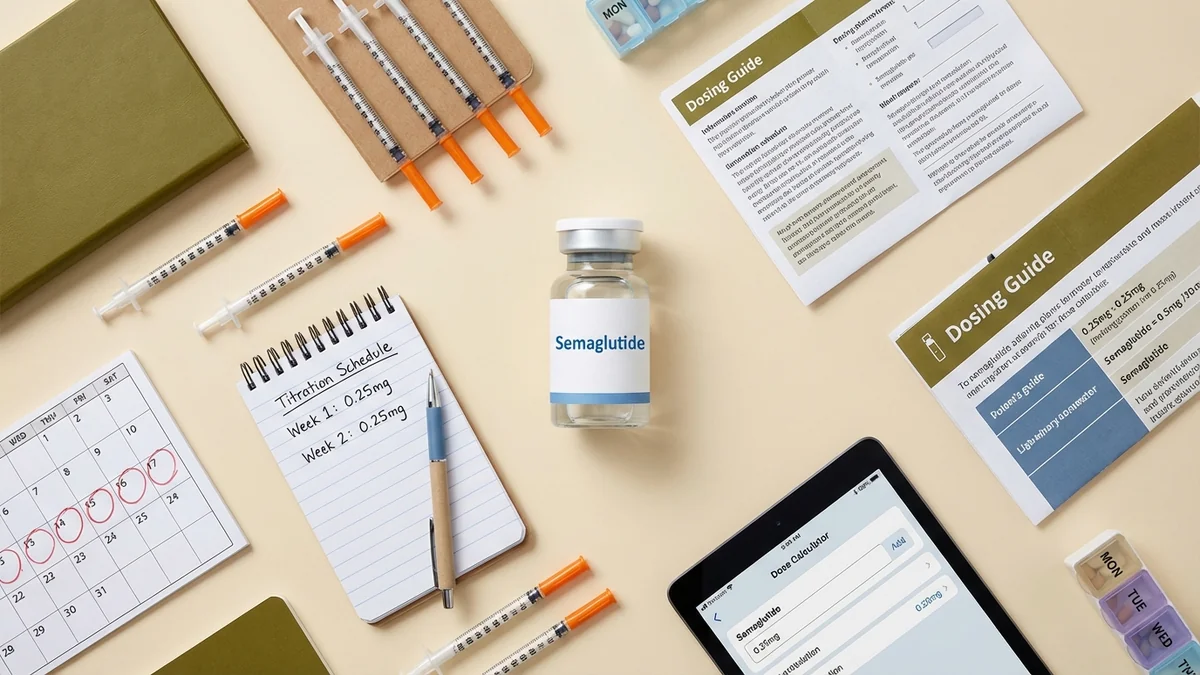
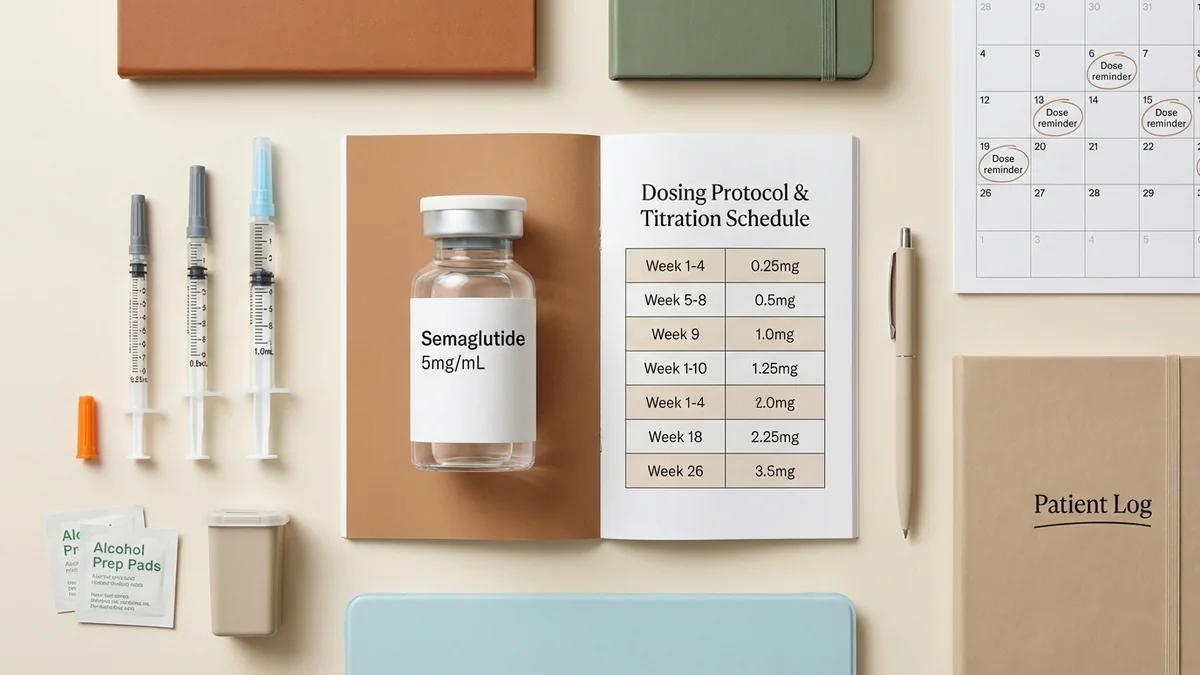
- GLP-1 receptor agonists (semaglutide, tirzepatide) bind to GLP-1 receptors in the pancreas and brain, slowing digestion and reducing appetite
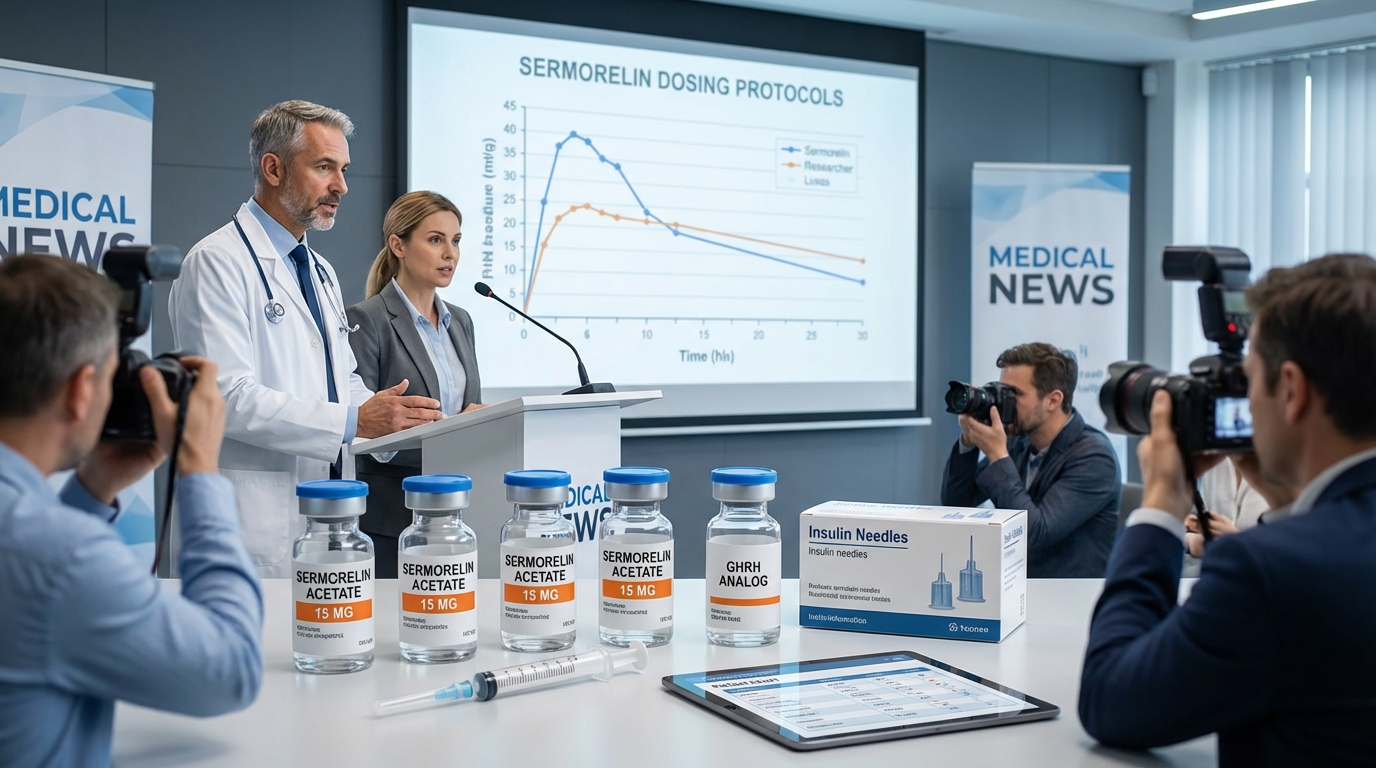
- Growth hormone secretagogues (sermorelin, ipamorelin) stimulate the pituitary gland to release its own growth hormone — rather than replacing GH directly
- Tissue repair peptides (BPC-157, TB-500) promote angiogenesis, cellular regeneration, and anti-inflammatory signaling at injury sites
- Cognitive peptides (Semax, Selank) modulate brain-derived neurotrophic factor (BDNF) and other neurological pathways
Types of Peptide Therapy
1. Weight Loss & Metabolic Peptides (GLP-1)
The most widely prescribed category in 2026. FDA-approved drugs like semaglutide (Ozempic, Wegovy) and tirzepatide (Mounjaro, Zepbound) are GLP-1 receptor agonists with strong clinical evidence for weight loss. Compounded versions are available at significantly lower cost.
2. Growth Hormone Peptides
Sermorelin, CJC-1295, ipamorelin, and tesamorelin stimulate the pituitary to release growth hormone. Used for anti-aging, body composition, sleep quality, and recovery. Generally require daily or multiple-daily injections.
3. Tissue Repair Peptides
BPC-157 and TB-500 are used by athletes and patients recovering from injuries. They promote healing in tendons, ligaments, muscle, and gut tissue. Typically prescribed in 8–12 week cycles.
4. Anti-Aging & Longevity Peptides
GHK-Cu (copper peptide) promotes wound healing and collagen synthesis. Epithalon is associated with telomere support. MOTS-c is a mitochondrial peptide being studied for metabolic and longevity effects.
5. Cognitive & Neuro Peptides
Selank and Semax are anxiolytic and cognitive-support peptides developed in Russia. PE-22-28 (a spadin fragment) is researched for antidepressant effects.
6. Sexual Wellness Peptides
PT-141 (bremelanotide) is FDA-approved for hypoactive sexual desire disorder (HSDD) in women. It works through melanocortin receptors rather than vascular pathways, unlike PDE5 inhibitors.
Is Peptide Therapy FDA Approved?
It depends on the specific peptide:
| Peptide | FDA Status |
|---|---|
| Semaglutide (Ozempic, Wegovy) | FDA-approved (diabetes + obesity) |
| Tirzepatide (Mounjaro, Zepbound) | FDA-approved (diabetes + obesity) |
| Tesamorelin (Egrifta) | FDA-approved (HIV lipodystrophy) |
| PT-141 (Vyleesi) | FDA-approved (female HSDD) |
| Sermorelin | Compounded (original approval withdrawn) |
| BPC-157 | Not FDA-approved; compounded |
| GHK-Cu | Not FDA-approved; compounded |
| MOTS-c | Investigational (clinical trials ongoing) |
Most peptides outside the FDA-approved list are prescribed off-label as compounded medications from licensed US pharmacies. This is legal and common, but it means less regulatory oversight and no insurance coverage.
What Does Peptide Therapy Cost?
Monthly costs range widely based on the peptide and delivery model:
- Compounded GLP-1 peptides: $200–$500/month
- Growth hormone peptides (sermorelin, CJC-1295): $150–$350/month
- Tissue repair peptides (BPC-157, TB-500): $100–$250/month
First-month all-in costs are typically higher due to consultation fees ($150–$400) and initial lab work ($150–$400). See our full peptide therapy cost breakdown for details.
How Is Peptide Therapy Administered?
Most peptides are administered via subcutaneous injection using a small insulin syringe (27–31 gauge). The process is simple and most patients self-inject at home after initial training from their provider.
Typical sites: lower abdomen, outer thigh, upper arm (rotate sites to prevent tissue changes).
Some peptides are available in:
- Nasal spray — PT-141, Semax, Selank
- Topical cream — GHK-Cu (cosmetic formulations)
- Sublingual — some bioregulators